Introduction: The Evolution of Gaming into a Global Spectacle
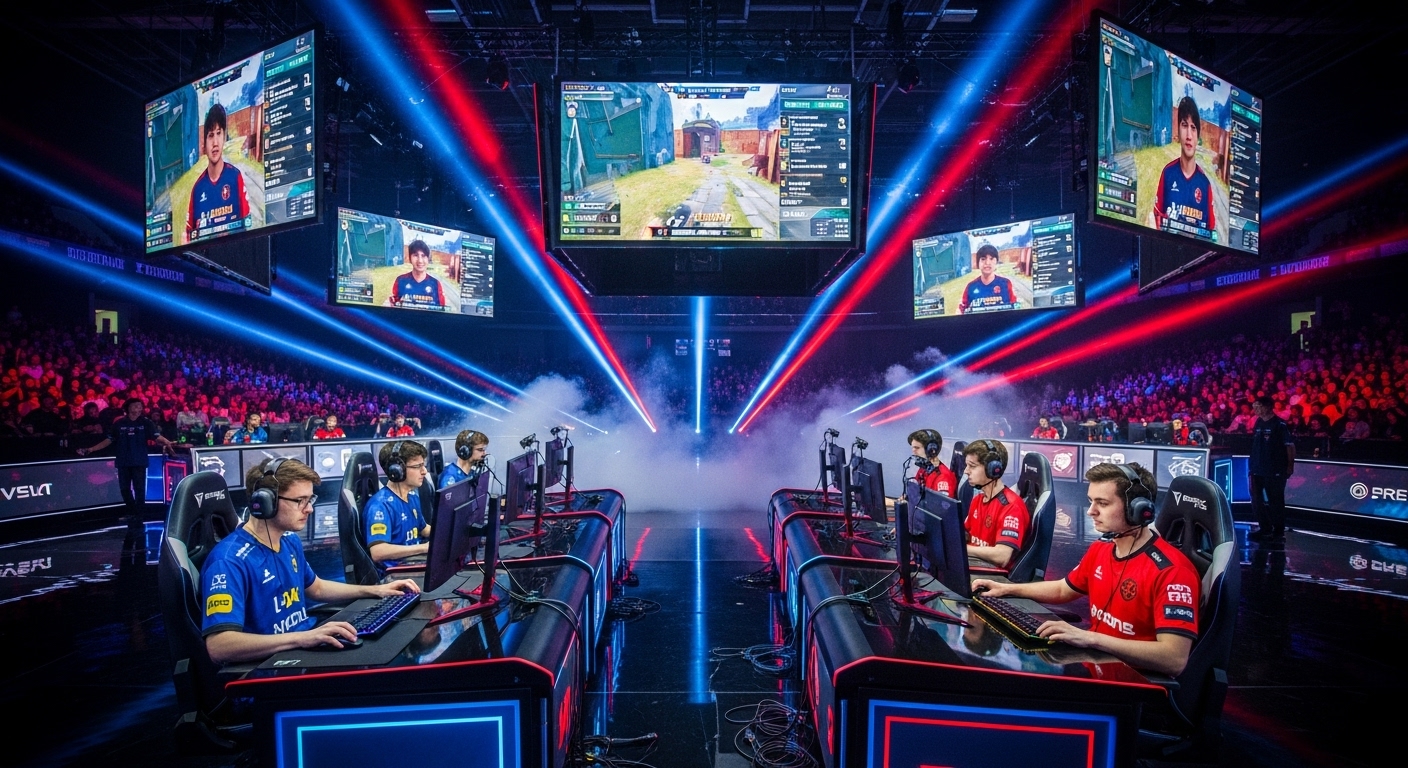
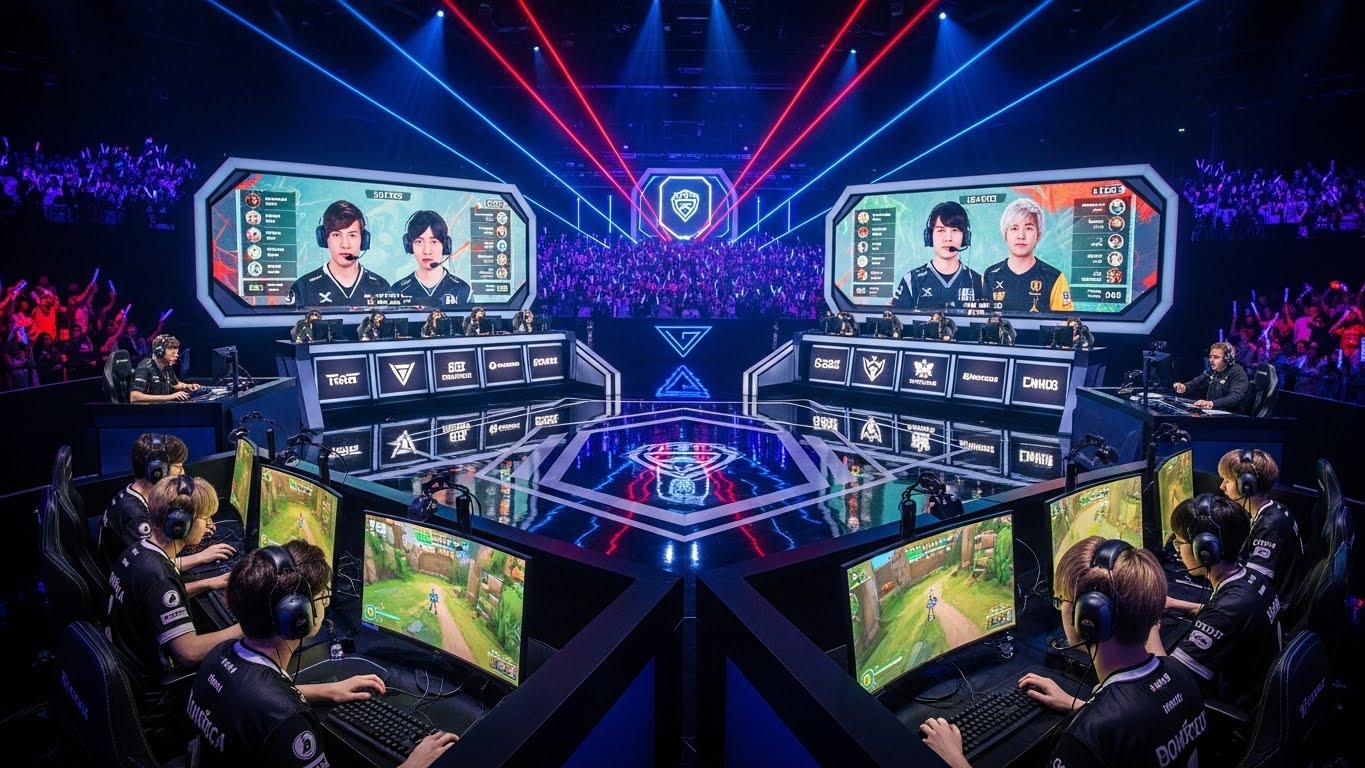
In the last two decades, the world of gaming has undergone a radical transformation. What began as a niche hobby enjoyed by a few dedicated enthusiasts has evolved into a global phenomenon that rivals traditional sports in viewership, revenue, and cultural impact. This transformation is driven by esports, a rapidly growing sector where professional players compete in video games at the highest level. Esports has not only created a new form of entertainment but has also generated entire ecosystems encompassing players, teams, sponsors, event organizers, and fans. Understanding esports requires an exploration of its history, its economic and cultural impact, and its future trajectory.
The Birth of Competitive Gaming
Competitive gaming, the foundation of modern esports, can be traced back to the late 1970s and 1980s when arcade competitions began to gain popularity. Games like Space Invaders and Pac-Man saw players competing for high scores in local arcades. The early 1990s introduced competitive PC gaming with titles such as Doom and Quake, which allowed multiplayer competitions over local networks.
The first true esports tournaments emerged in the late 1990s and early 2000s, fueled by the rise of the internet and online gaming. Games like StarCraft in South Korea and Counter-Strike globally laid the foundation for professional competitive gaming. South Korea, in particular, became a hotbed for esports, integrating professional gaming into mainstream culture and even establishing esports television channels.
The Explosion of Esports in the 21st Century
The 21st century witnessed an unprecedented surge in esports popularity. The introduction of streaming platforms transformed the way fans consume esports content. Platforms like Twitch, YouTube Gaming, and others allowed gamers worldwide to watch professional matches in real-time, democratizing access and increasing viewership.
Games such as League of Legends, Dota 2, Fortnite, and Call of Duty became household names, not only for casual players but also for millions of fans who follow professional leagues. Esports events started rivaling traditional sports tournaments in scale, with prize pools often reaching millions of dollars. The Dota 2 International tournament, for instance, has consistently offered multi-million-dollar prize pools, highlighting the economic growth of the sector.
Economic Impact: Esports as a Billion-Dollar Industry
Esports is no longer just a pastime; it is a multi-billion-dollar industry that encompasses sponsorships, advertising, ticket sales, media rights, merchandise, and more. The revenue from global esports is projected to surpass several billion dollars annually, with significant contributions from Asia, North America, and Europe.
Sponsorships play a critical role in the ecosystem. Major corporations, from technology companies to beverage brands, recognize the marketing potential of reaching the esports audience, which is predominantly young and tech-savvy. Teams and players often have sponsorship deals that rival those of athletes in traditional sports, providing financial stability and career opportunities previously unimaginable in the gaming world.
The rise of esports betting and fantasy leagues has also contributed to the industry’s growth, although these sectors face regulatory challenges in different regions. Additionally, live events generate significant revenue through ticket sales, merchandise, and in-person sponsorship activations, making esports a comprehensive economic engine.
The Cultural Significance of Esports
Esports is not only a financial powerhouse but also a cultural phenomenon. It has reshaped how society perceives gaming and blurred the lines between traditional sports and digital competition. Fans identify passionately with teams and players, similar to how they support athletes in football, basketball, or soccer.
The social aspect of esports is particularly significant. Communities form around specific games, creating a sense of belonging and shared experience. Online forums, streaming chats, and fan clubs foster engagement, allowing fans to participate actively in the esports ecosystem. This cultural integration extends to mainstream media, where esports players are now featured in interviews, documentaries, and even reality shows, further cementing their role in popular culture.
Training and Professionalism: The Athlete Mindset in Esports
Esports players are no longer casual gamers; they are highly trained professionals who dedicate hours daily to practice, strategy, and physical fitness. Professional esports athletes often follow rigorous schedules that include practice sessions, team meetings, strategy analysis, and physical training to maintain mental acuity and reflexes.
Unlike traditional sports, esports requires a unique blend of skills, including quick decision-making, hand-eye coordination, strategic thinking, and teamwork. The competitive nature of esports has led to the development of training facilities and academies, particularly in countries like South Korea, the United States, and China, where young players are nurtured from an early age to pursue professional careers.
Diversity and Inclusion in Esports
One of the notable aspects of esports is its potential for inclusivity. Unlike traditional sports, where physical attributes often dictate success, esports is more accessible to people of different genders, physical abilities, and backgrounds. Although challenges remain regarding gender representation and inclusivity, initiatives are underway to create equitable opportunities for all players.
Esports also transcends geographic boundaries. Players from different continents compete against one another in international leagues, creating a truly global arena. This connectivity fosters cultural exchange and highlights the universality of gaming as a shared language across nations.
Challenges Facing the Esports Industry
Despite its rapid growth, esports faces several challenges that could shape its future trajectory. Player burnout is a significant issue, as the demands of high-level competition can lead to mental health problems, including stress, anxiety, and depression. Teams and organizations are increasingly implementing wellness programs to address these concerns, but sustainability remains a challenge.
Another issue is regulatory uncertainty, particularly in areas such as gambling, sponsorship transparency, and labor rights for players. The lack of standardized regulations can lead to disputes and potential exploitation, which could hinder the industry’s long-term credibility. Additionally, the oversaturation of games and tournaments can dilute audience attention, making it crucial for organizers to balance quantity with quality.
The Future of Esports: Mainstream Integration and Innovation
The future of esports looks promising, with several trends shaping its evolution. Virtual reality and augmented reality gaming are likely to create immersive experiences for both players and spectators, further blurring the line between gaming and real-world interaction. Artificial intelligence could also play a role in strategy development, training, and even live broadcasting enhancements.
Education is another emerging frontier. Universities and colleges are now offering esports programs, including scholarships, coaching, and research opportunities, legitimizing competitive gaming as a viable career path. This integration into academia highlights the growing recognition of esports’ educational and developmental value.
Moreover, the continued globalization of esports will likely expand its fanbase and market potential. Countries in Africa, South America, and Southeast Asia are emerging as key contributors, providing fresh talent, audiences, and investment opportunities. As esports continues to mature, collaboration between industry stakeholders, regulators, and communities will be essential to sustaining growth and innovation.
Conclusion: Esports as a Cultural and Economic Force
Esports has moved far beyond its humble origins as a casual pastime. Today, it is a thriving industry with a profound cultural, economic, and social impact. From its early arcade competitions to multi-million-dollar international tournaments, esports exemplifies the transformative power of digital technology in entertainment.
As esports continues to evolve, it challenges traditional notions of sport, entertainment, and community. It offers opportunities for players, fans, and investors while fostering global connectivity and cultural exchange. The rise of esports is not merely a trend; it is a fundamental shift in how we perceive competition, skill, and entertainment in the digital age.
The future of esports is bright, promising innovation, inclusivity, and continued growth. Whether as a spectator, player, or investor, engaging with esports offers a window into the future of entertainment, where digital competition and human skill converge to create a truly global spectacle.