Introduction
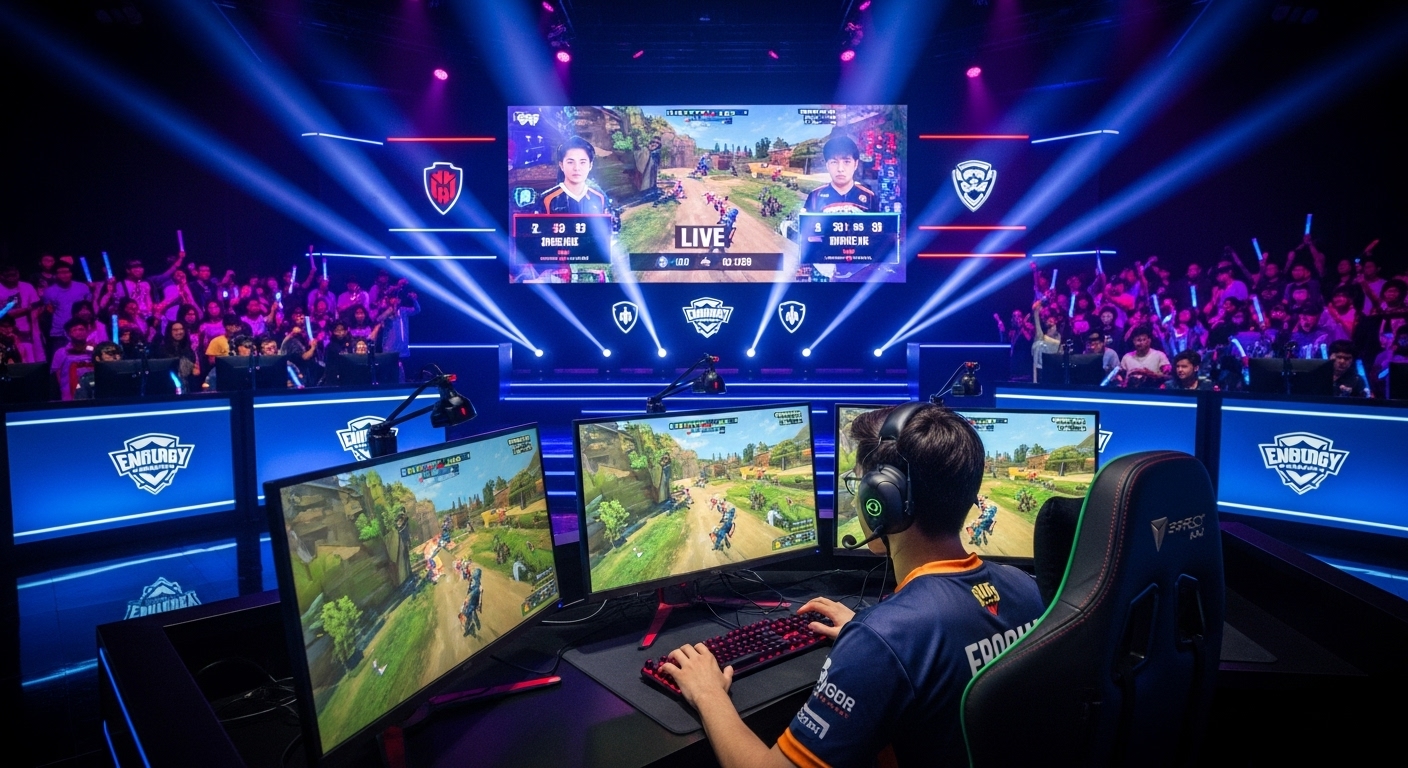
In the last two decades, few industries have experienced such an explosive transformation as esports. Once viewed as a niche pastime for gamers, esports has evolved into a multi-billion-dollar global phenomenon that rivals traditional sports in audience size, sponsorship deals, and cultural influence. The growth of esports reflects more than just technological progress; it showcases a generational shift in how people engage with entertainment, community, and competition.
Esports, short for electronic sports, refers to organized video game competitions where professional players compete individually or in teams for prestige and substantial monetary rewards. But beyond the definition lies a massive ecosystem that includes players, teams, event organizers, sponsors, streamers, content creators, and millions of passionate fans.
This blog explores the world of esports — its history, growth, cultural impact, and future. It’s a story of how pixels became passion, and how gaming evolved from bedroom entertainment into a global stage of glory.
The Origins of Esports
The roots of esports trace back much earlier than most imagine. The first recorded video game competition occurred in 1972 at Stanford University, where students played a game called Spacewar! for a year’s subscription to Rolling Stone magazine. What was once a small event among a few college students laid the groundwork for something that would eventually captivate millions worldwide.
The 1980s saw arcade gaming rise in popularity, and competitions began forming around titles such as Pac-Man, Donkey Kong, and Space Invaders. The 1980 Space Invaders Championship hosted by Atari drew more than 10,000 participants, signaling that competitive gaming had found its audience.
As personal computers and consoles became household items in the 1990s, multiplayer gaming flourished. Games like Street Fighter II, Doom, and StarCraft established new forms of competition. LAN parties became popular, where gamers connected computers in one location to compete directly. These gatherings were the early seeds of organized tournaments and esports communities.
The Internet Revolution and the Birth of Modern Esports
The late 1990s and early 2000s marked the true beginning of modern esports, fueled by the widespread adoption of the internet. For the first time, players could compete online without being in the same room. Games such as Counter-Strike, StarCraft: Brood War, and Warcraft III became pioneers of online competition.
South Korea played a crucial role in shaping esports culture during this period. Following the 1997 Asian financial crisis, the South Korean government invested heavily in internet infrastructure. The result was a nation with lightning-fast broadband speeds and a massive population of connected youth. Television channels began broadcasting matches of StarCraft, turning players like Lim “BoxeR” Yo-hwan into national celebrities.
By the early 2000s, professional teams and leagues had begun to form across the globe. The Cyberathlete Professional League (CPL), World Cyber Games (WCG), and Major League Gaming (MLG) were among the first international esports organizations. Prize pools were modest compared to today’s standards, but the passion and professionalism of the players were undeniable.
The Golden Age of Streaming
While esports grew steadily in the early 2000s, the real explosion came with the advent of live streaming. The launch of platforms like Justin.tv (which later became Twitch) in 2011 transformed how fans engaged with gaming. Viewers could now watch their favorite players and tournaments live, interact in real time through chat, and feel part of a shared experience.
Streaming removed barriers between players and fans. Instead of waiting for televised broadcasts, anyone with an internet connection could watch tournaments or stream their own gameplay. This democratization of content turned esports into a 24/7 spectacle.
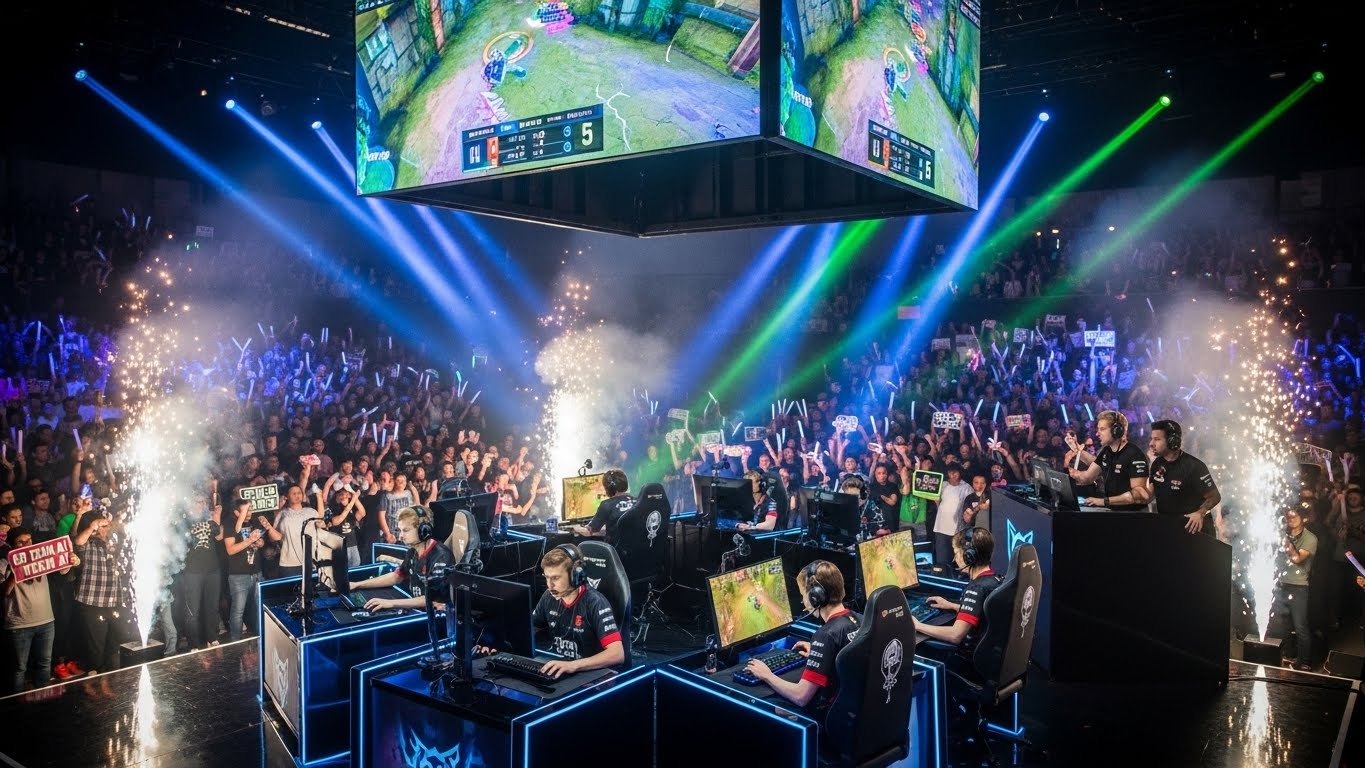
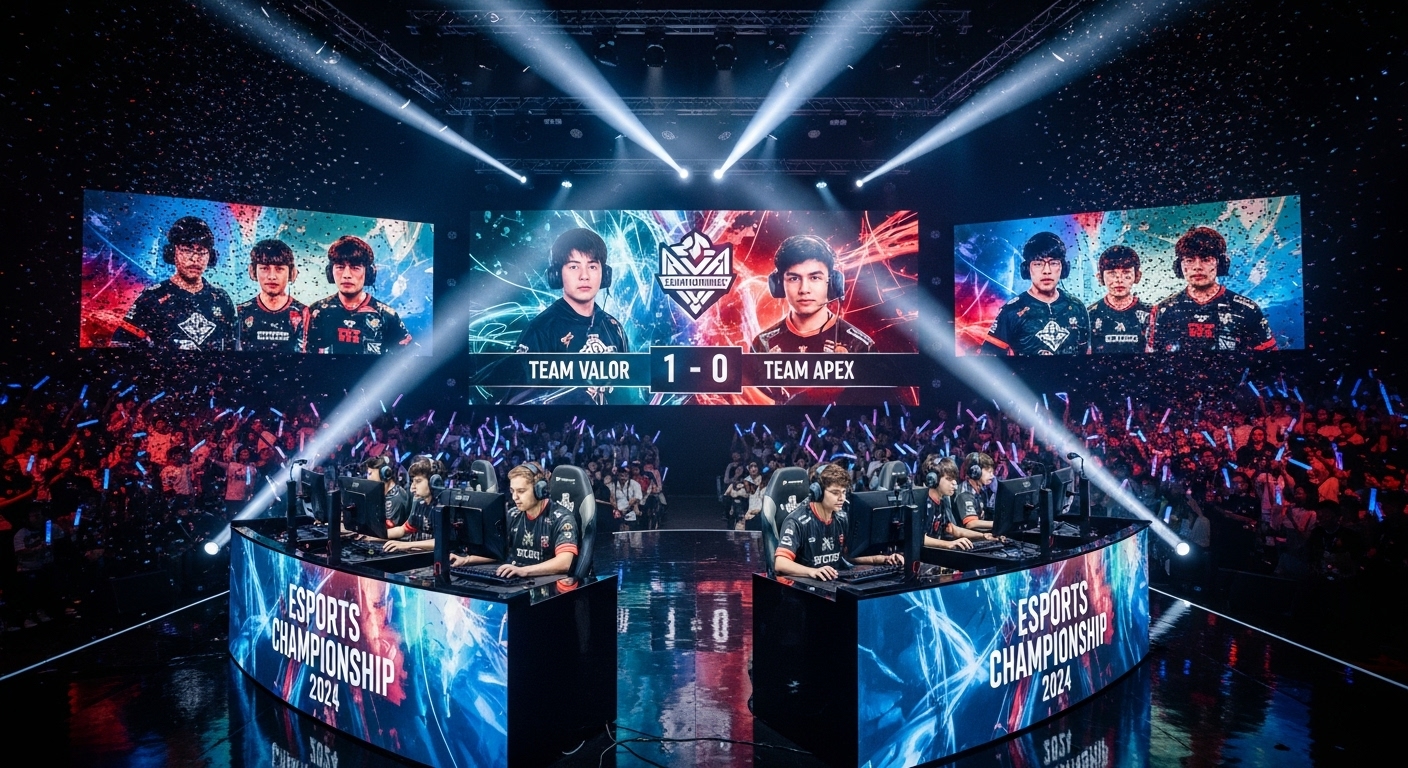
Tournaments like The International for Dota 2, the League of Legends World Championship, and CS:GO Majors attracted millions of viewers online. In 2013, the League of Legends Season 3 World Championship sold out the Staples Center in Los Angeles, a venue that also hosts the NBA’s Los Angeles Lakers.
The lines between traditional sports and esports began to blur, with commentators, analysts, coaches, and sponsorships becoming integral to the ecosystem. Esports had become a legitimate profession, with players signing contracts, earning salaries, and training in team facilities much like professional athletes.
Major Titles That Defined the Esports Era
The history of esports cannot be told without acknowledging the games that shaped its identity. Some titles became cultural phenomena, defining entire generations of competitive gamers.
Counter-Strike revolutionized first-person shooter competition, demanding teamwork, reflexes, and strategy. Its competitive format, featuring Terrorists versus Counter-Terrorists, became one of the most balanced and enduring in esports history.
StarCraft: Brood War turned South Korea into the epicenter of esports, with televised matches and household-name players. The game’s demand for rapid decision-making and multitasking pushed the boundaries of human skill.
League of Legends became the most-watched esport in the world, with millions tuning in annually to its global championship. Its developer, Riot Games, helped professionalize the scene by introducing regional leagues and long-term player contracts.
Dota 2, known for its complexity and strategy, hosts The International, famous for its massive prize pools often exceeding tens of millions of dollars thanks to community crowdfunding.
Overwatch, Fortnite, Call of Duty, Valorant, and PUBG also played critical roles in expanding the audience base, particularly among younger demographics.
Esports as a Profession
Becoming a professional gamer today requires more than just natural talent. It demands discipline, strategy, teamwork, and mental fortitude. Esports professionals often practice eight to twelve hours a day, refining mechanics, studying opponents, and working with coaches on team coordination and game theory.
Teams now function much like those in traditional sports. They have managers, analysts, nutritionists, and mental health counselors. Major organizations such as Team Liquid, Fnatic, Cloud9, and T1 have global fanbases and secure multimillion-dollar sponsorships.
Players earn income through a mix of tournament winnings, salaries, brand endorsements, and streaming revenue. While only a small percentage reach elite levels, the ecosystem also offers careers for coaches, casters, event organizers, and content creators. The esports industry supports thousands of jobs worldwide.
The Esports Audience and Community
At the heart of esports lies its vibrant community. Millions of fans across the globe follow teams, players, and tournaments with the same devotion seen in traditional sports. Esports fans are highly engaged — they discuss strategies, participate in fan art, attend conventions, and support their favorite players both online and offline.
The demographics of esports audiences are diverse, though most are between the ages of 16 and 35. Unlike traditional sports, esports has a global audience from the outset, transcending language barriers through shared digital culture. A viewer in Brazil can support a team from Sweden or South Korea without geographic limitations.
Social media has amplified this connection. Platforms like X (formerly Twitter), Instagram, and TikTok give fans direct access to players, fostering loyalty and intimacy. Esports fandom is digital-first, community-driven, and ever-evolving.
The Economics of Esports
The business side of esports has grown rapidly. Sponsorships from major brands like Coca-Cola, Intel, Red Bull, and Mercedes-Benz have poured money into the scene. Broadcast rights, merchandise sales, and ticketed live events contribute to the expanding revenue streams.
Prize pools have reached staggering amounts. The International 2019 for Dota 2 offered over $34 million, with the winning team taking home more than $15 million. Meanwhile, Fortnite’s 2019 World Cup offered $30 million in total prizes, signaling the mainstream acceptance of esports as a lucrative entertainment platform.
Esports organizations operate similarly to sports franchises. They sign players, secure sponsorships, and participate in leagues that ensure stable competition. Investors, celebrities, and traditional sports teams have entered the scene, recognizing esports’ commercial potential. Figures like Drake, Michael Jordan, and David Beckham have all invested in esports ventures, further legitimizing the industry.
Esports and Education
Esports has also made its way into academia. Universities around the world now offer scholarships for esports athletes, just as they do for traditional sports players. Programs focus not only on gameplay but also on game design, marketing, broadcasting, and management.
Educational institutions recognize esports as a valuable medium for developing teamwork, communication, and strategic thinking. Schools have begun forming esports clubs and teams, providing opportunities for students to compete and build careers within the gaming industry.
This integration into education signals that esports is no longer viewed as mere recreation but as a legitimate and respected pursuit.
Challenges Facing Esports
Despite its growth, esports faces several challenges that will determine its sustainability.
Player burnout is a major issue, as the intense schedule and pressure can lead to physical and mental fatigue. The industry’s young player base often struggles with balancing life, fame, and career longevity.
Cheating and match-fixing remain threats, as large prize pools and betting markets attract bad actors. Ensuring competitive integrity is critical to maintaining audience trust.
Additionally, while esports is global, infrastructure and opportunities are uneven. Regions like North America, Europe, and East Asia dominate, while areas such as Africa and parts of South America are still developing their esports ecosystems.
There are also concerns about inclusivity and representation. The industry remains male-dominated, though initiatives promoting women in esports are gaining traction. Ensuring diversity and safe spaces for all participants will shape the industry’s future.
Esports and Mainstream Recognition
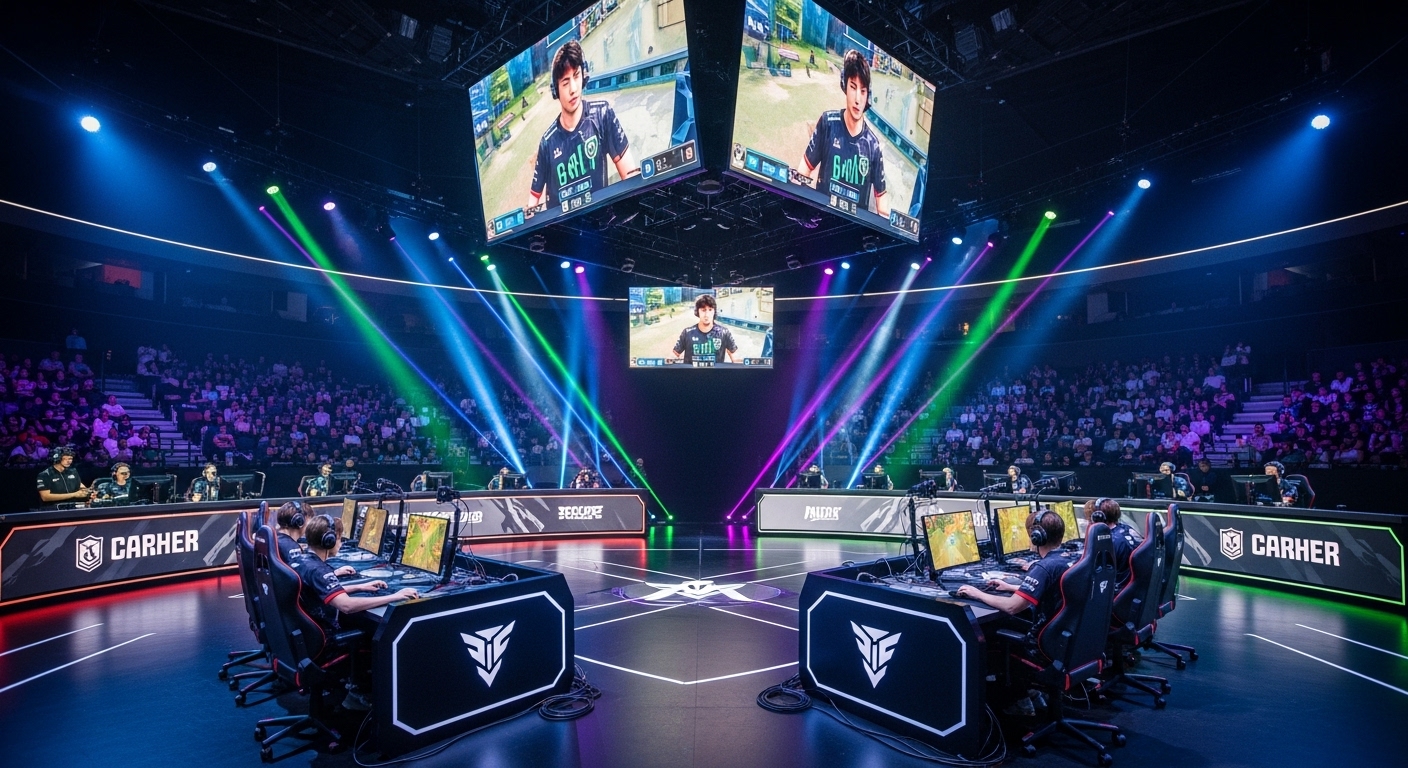
The acceptance of esports by mainstream media and institutions has been a defining milestone. Major television networks now broadcast tournaments, and esports events fill iconic venues such as Madison Square Garden, Wembley Arena, and Seoul’s World Cup Stadium.
Traditional sports organizations have also embraced esports. The NBA established the NBA 2K League, FIFA sponsors the eWorld Cup, and Formula 1 introduced virtual racing championships. These integrations bridge the gap between physical and digital sports, expanding fan engagement across both realms.
Esports has even entered discussions about inclusion in the Olympic Games. While debates continue about whether gaming aligns with the Olympic spirit, demonstration events and partnerships with the International Olympic Committee show that the idea is no longer far-fetched.
The Cultural Impact of Esports
Esports has influenced not only gaming but also popular culture. Music artists collaborate with gaming brands, esports players appear in advertisements, and fashion labels design team apparel. Gaming culture has entered mainstream fashion, music, and film.
Events like Fortnite’s in-game concerts and collaborations with global artists demonstrate how gaming serves as a new form of social and entertainment platform. Esports isn’t just about competition — it’s about community, creativity, and identity.
Streaming personalities and esports professionals have become modern celebrities. Their influence extends beyond gaming, shaping trends, philanthropy, and online culture. The blend of gaming and content creation has redefined what it means to be an entertainer in the digital age.
The Future of Esports
Looking ahead, esports shows no signs of slowing down. Technological advancements such as virtual reality, augmented reality, and artificial intelligence are set to transform the gaming experience even further. These technologies will enhance immersion, strategy, and interactivity.
Mobile esports, particularly in regions like Southeast Asia and India, is driving the next wave of growth. Titles like PUBG Mobile and Mobile Legends have proven that competitive gaming is no longer confined to high-end PCs or consoles. Accessibility through smartphones opens esports to millions of new players and fans.
The future will likely see deeper integration with traditional sports, more robust governance structures, and expanded educational pathways. With increased investment and a maturing fanbase, esports could become one of the dominant forms of global entertainment.
Conclusion
Esports has come a long way from small gatherings of enthusiasts playing for fun. It has become a global powerhouse that unites people through passion, skill, and digital connectivity. From humble LAN tournaments to stadium-filling championships, esports symbolizes how technology and creativity can redefine culture and community.
What makes esports truly remarkable is its inclusivity and potential. It doesn’t require physical boundaries, specific genders, or locations. Anyone with talent, dedication, and internet access can compete and succeed.
The journey of esports is still unfolding, and its next chapters will continue to challenge our understanding of sports, media, and entertainment. Whether you are a player, a fan, or simply an observer, one thing is clear: esports is not the future — it is the present, reshaping how we play, compete, and connect in a digital world.