In recent years, esports has transitioned from a niche hobby into a global industry worth billions of dollars, attracting millions of fans and players from every corner of the world. Competitive gaming is no longer just for the most skilled players or the tech-savvy enthusiasts—esports has become a mainstream form of entertainment, rivaling traditional sports in viewership and investment. Whether you’re a casual gamer, an aspiring professional, or someone simply intrigued by this growing phenomenon, it’s clear that esports has become a cultural force to be reckoned with. But how did this evolution happen? What factors contributed to the rapid rise of esports? In this post, we will delve into the origins of esports, its growth over the years, and the future it promises to deliver.
The Birth of Esports: A New Way to Compete
The roots of esports trace back to the 1970s and 1980s, a time when video gaming was still in its infancy. The first recorded competition, the Space Invaders Championship, was held in 1980, a national tournament organized by Atari for its popular arcade game Space Invaders. While this event was relatively small by today’s standards, it marked the beginning of organized video game competitions. These early tournaments were short-lived, but they laid the groundwork for what would eventually become a burgeoning competitive gaming scene.
In the years that followed, multiplayer games like Doom, Warcraft, and StarCraft began to make waves, particularly with the rise of local area networks (LANs). Gamers could now connect their computers together to play in small-scale tournaments with friends or strangers alike. It wasn’t until the late 1990s and early 2000s, however, that esports began to take shape in the form we recognize today.
The advent of online multiplayer gaming in the late 1990s and early 2000s played a pivotal role in the growth of esports. Games like Quake, Counter-Strike, and StarCraft allowed players to compete against others around the globe, and the internet provided the infrastructure to organize large-scale tournaments. During this time, the first esports leagues and organizations were formed, most notably the Cyberathlete Professional League (CPL), which hosted some of the first major international tournaments.
The Rise of Streaming: A New Era of Accessibility
In the early 2010s, streaming technology took esports to new heights. The creation of platforms like Twitch, which launched in 2011, revolutionized how esports events were broadcasted. Twitch allowed gamers to stream their own gameplay, interact with viewers in real-time, and build communities around their channels. At the same time, it also allowed fans to watch professional esports events from the comfort of their homes, bypassing the need for traditional TV broadcasts or physical attendance.
This accessibility played a key role in the explosive growth of esports. In addition to Twitch, YouTube Gaming and Facebook Gaming became major players in the esports streaming space, providing new avenues for content creators and professional organizations to reach a wider audience. Esports became an entertainment option that could be enjoyed from anywhere with an internet connection, breaking down geographical barriers and fostering global communities.
The integration of live chat and social features on these platforms also contributed to the engagement aspect of esports. Fans could interact directly with their favorite players, teams, and casters during live events, creating a sense of connection that had never been possible with traditional sports. This level of interaction helped forge a new kind of fan experience—one that was less passive and more immersive.
The Growth of Esports: Big Investments and Bigger Audiences
By the mid-2010s, esports was no longer a fringe activity. It had become a global industry, attracting millions of viewers and massive investments from both gaming companies and non-endemic brands. In fact, in 2020, the global esports industry was valued at over $1 billion, and it continues to grow at a rapid pace. This growth can be attributed to several key factors.
1. Expanding Fanbase and Global Reach
Esports has become particularly popular among younger audiences, especially those aged 18-34, who are more likely to engage with gaming as a form of entertainment. With the widespread use of smartphones, high-speed internet, and social media, esports competitions are now accessible to anyone, anywhere. Events like The International for Dota 2 and the League of Legends World Championship have broken viewership records, attracting millions of viewers from all around the world. In fact, The International 2018 attracted more viewers than the NBA Finals, a testament to the growing popularity of esports.
Moreover, esports’ ability to transcend borders is a significant part of its appeal. Whether it’s a game developed in South Korea or a tournament held in North America, fans from every continent can tune in and watch in real-time. This global appeal is something traditional sports have been slow to replicate, but esports has harnessed the power of the internet to create an inclusive, international community.
2. Sponsorships and Major Investments
The influx of sponsorships and investments has also fueled the growth of esports. Big-name companies across industries, including technology, apparel, and energy drinks, have recognized the value of associating their brands with competitive gaming. Companies like Intel, Red Bull, and Coca-Cola are regular sponsors of major esports events, helping to fund prize pools and increase exposure.
In addition to traditional brands, esports has attracted the attention of venture capitalists and private equity firms looking to capitalize on the industry’s rapid growth. The influx of money has allowed esports organizations to pay their players higher salaries, improve tournament infrastructure, and build more engaging fan experiences. In some cases, top esports teams have even secured investment from major sports teams and celebrities, further legitimizing esports as a major player in the entertainment world.
3. The Professionalization of Esports
As the industry grew, so too did the need for professionalism. Today, esports teams operate much like traditional sports teams, with dedicated coaching staff, analysts, nutritionists, and support teams. Players now train rigorously to refine their skills and stay ahead of the competition, often playing upwards of 10 hours a day. Esports organizations have also begun to embrace the concept of team branding, creating fanbases that extend beyond individual players.
The structure of esports tournaments has also evolved. While early competitions were relatively informal, today’s esports events resemble the structure of traditional sports leagues, with regional and international qualifiers, regular seasons, and finals. Leagues like the Overwatch League and Call of Duty League have introduced franchise models, where teams represent specific cities or regions and play in organized competitions, just like professional basketball or football leagues.
Esports and the Cultural Shift: A New Form of Entertainment
Esports has not only reshaped the gaming industry but also made a significant impact on mainstream culture. One of the most notable aspects of esports is how it has bridged the gap between gaming and traditional sports. Professional athletes, celebrities, and influencers have begun to embrace esports, either by investing in teams, hosting tournaments, or becoming fans themselves. High-profile names from the NBA, such as Shaquille O’Neal and Michael Jordan, have purchased stakes in esports teams, signaling a growing recognition of the industry’s potential.
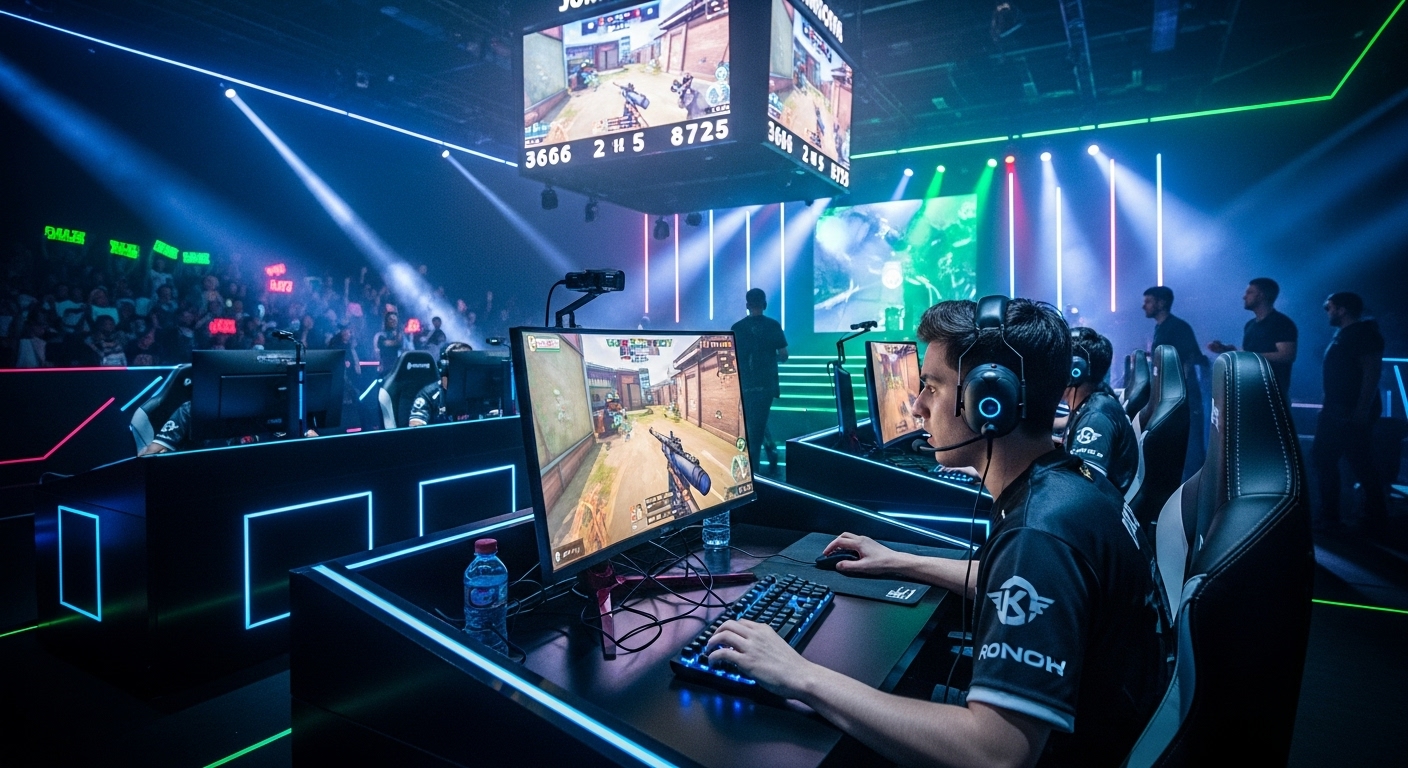
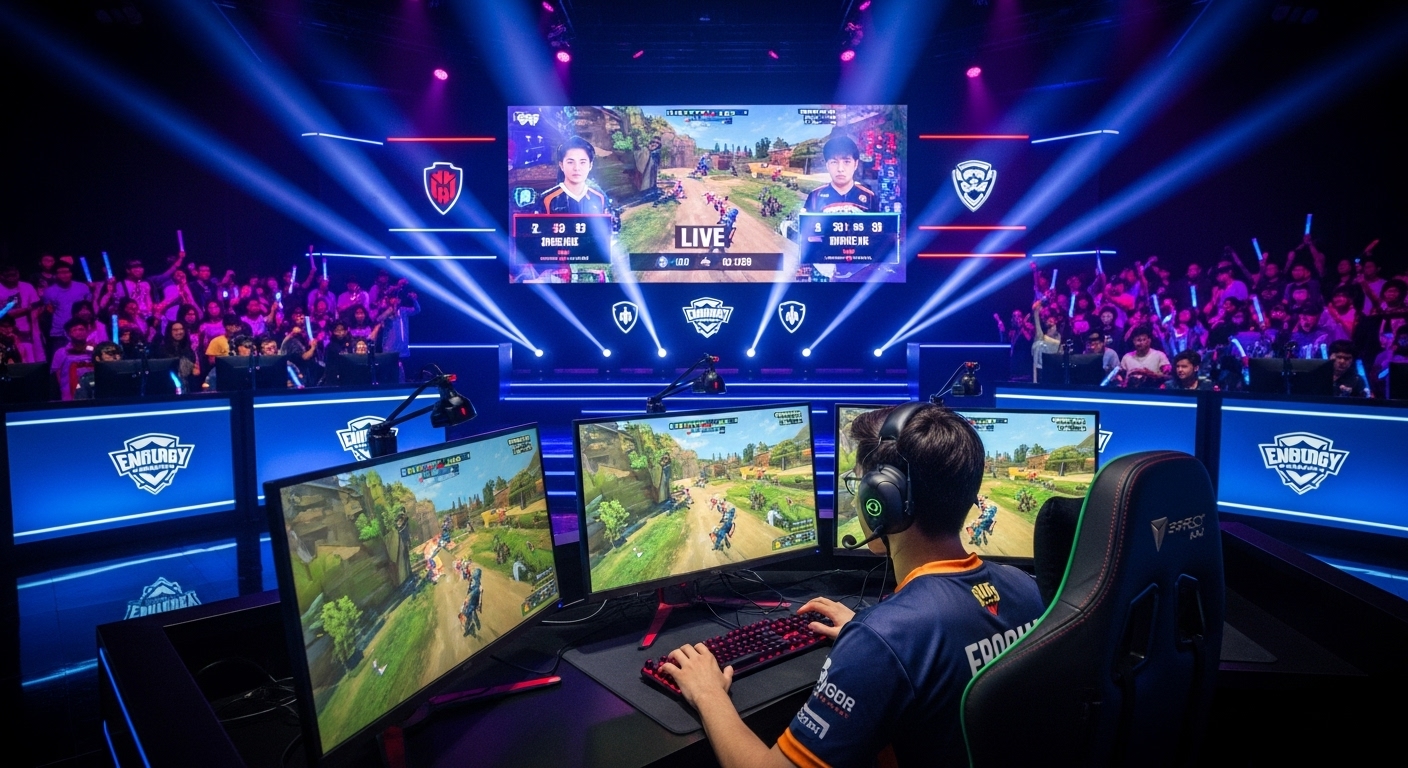
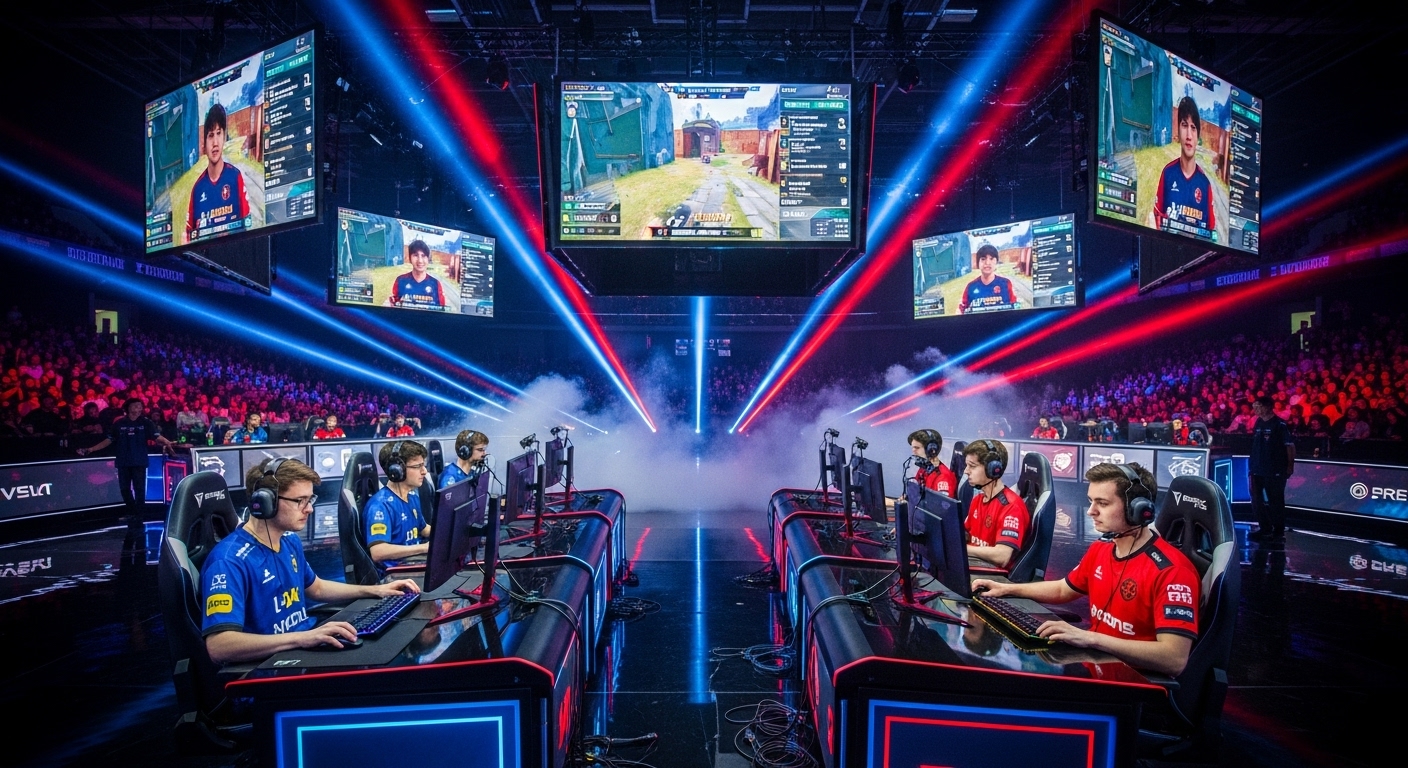
In addition, esports events have begun to garner the same level of excitement and fanfare as traditional sports. Crowds of thousands gather at arenas to watch their favorite teams compete, and online streams generate millions of views. Major events like the League of Legends World Championship and The International now rival the Super Bowl in terms of viewership, and esports stadiums are starting to spring up in major cities around the world.
Esports as a Career Path: Opportunities Beyond Playing
One of the most significant developments in the esports industry has been the emergence of career opportunities beyond just playing professionally. While competitive players remain at the forefront of the industry, there are now many other career paths within the esports ecosystem. From coaching and analysis to broadcasting and content creation, the demand for skilled professionals in various fields has skyrocketed.
In addition, many educational institutions now offer scholarships for esports players, and some even have fully-fledged esports programs. Universities and colleges are embracing esports not only as a competitive sport but also as an academic discipline. Students can now pursue degrees in game design, esports management, and related fields, paving the way for a new generation of professionals to enter the industry.
The Future of Esports: What’s Next?
Looking ahead, the future of esports is full of potential. As technology continues to evolve, we can expect esports to become even more immersive. Virtual reality (VR) and augmented reality (AR) have the potential to revolutionize competitive gaming, providing players with entirely new ways to experience and interact with their games. The integration of VR and AR could change the dynamics of esports competitions, offering fans an even more engaging experience.
Moreover, as the global esports community continues to grow, we will likely see further expansion into new regions. Esports is already popular in regions like North America, Europe, and Asia, but markets in South America, Africa, and the Middle East are beginning to show increased interest. With the rise of mobile gaming, esports is becoming accessible to an even broader audience, especially in regions where console or PC gaming is less common.
Conclusion
Esports has come a long way from its humble beginnings in arcade rooms and LAN parties. Today, it stands as a multi-billion-dollar industry that has reshaped entertainment, culture, and the gaming landscape. The rise of streaming, global fanbases, investment from major brands, and the professionalization of the industry has all contributed to esports’ success. As the world of competitive gaming continues to grow, esports is poised to become an even more dominant force in global entertainment. Whether you’re a player, fan, or casual observer, there’s no denying that esports is here to stay, and its future is brighter than ever.