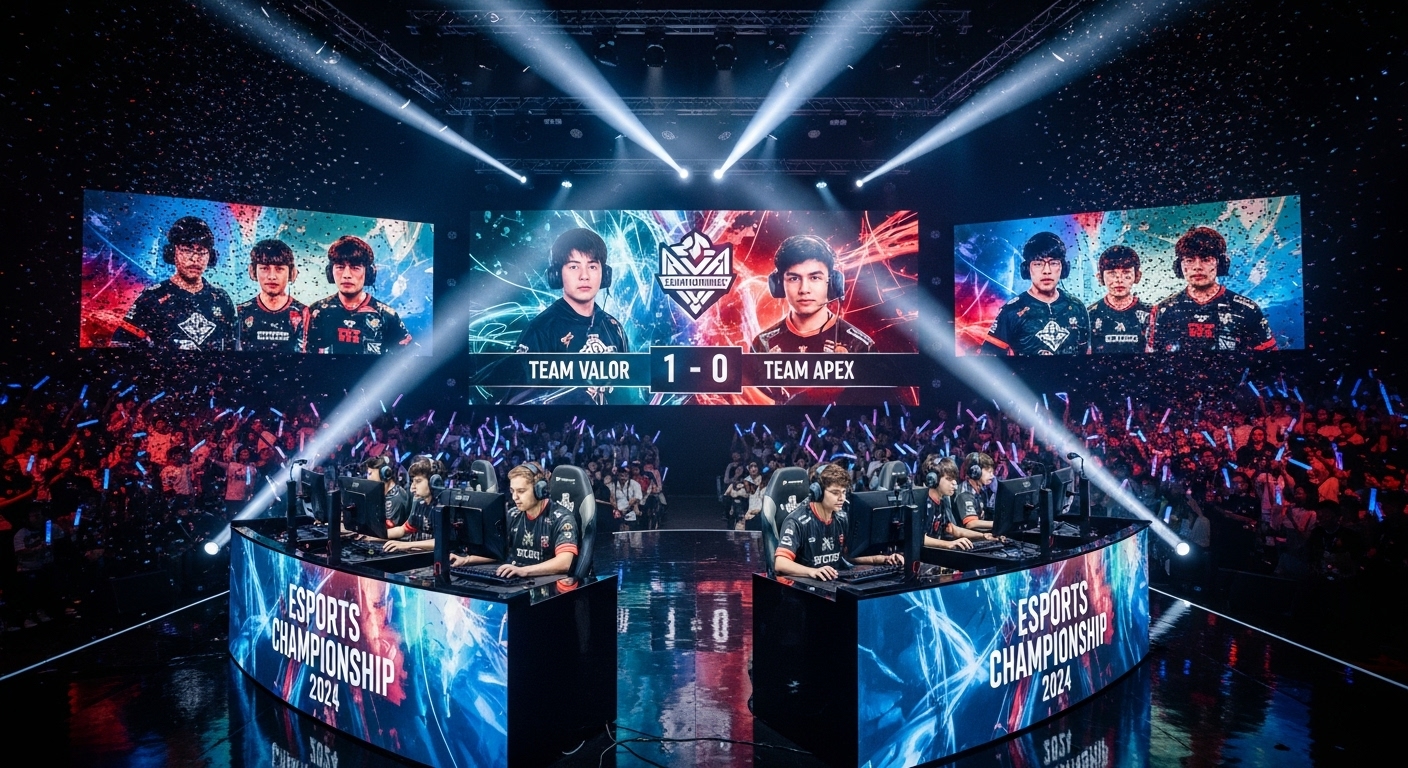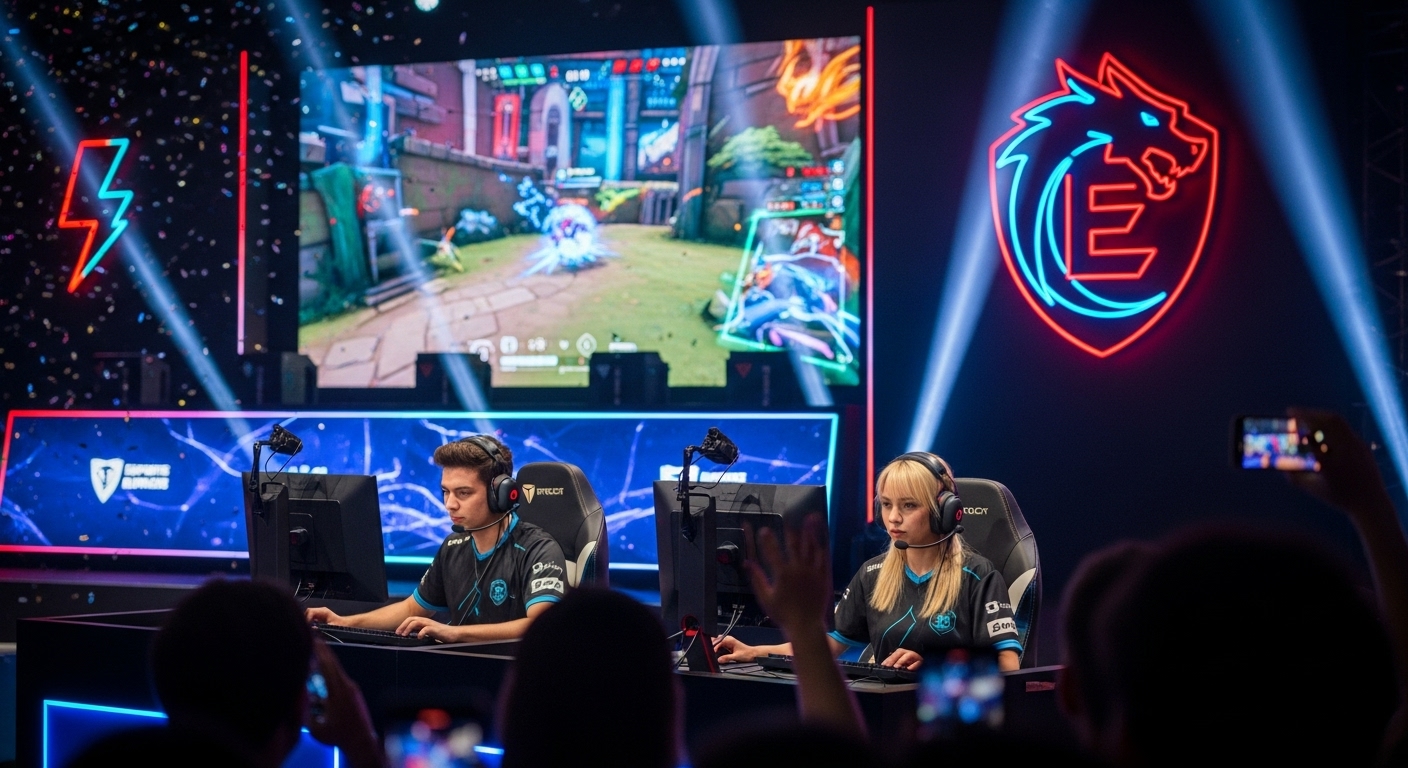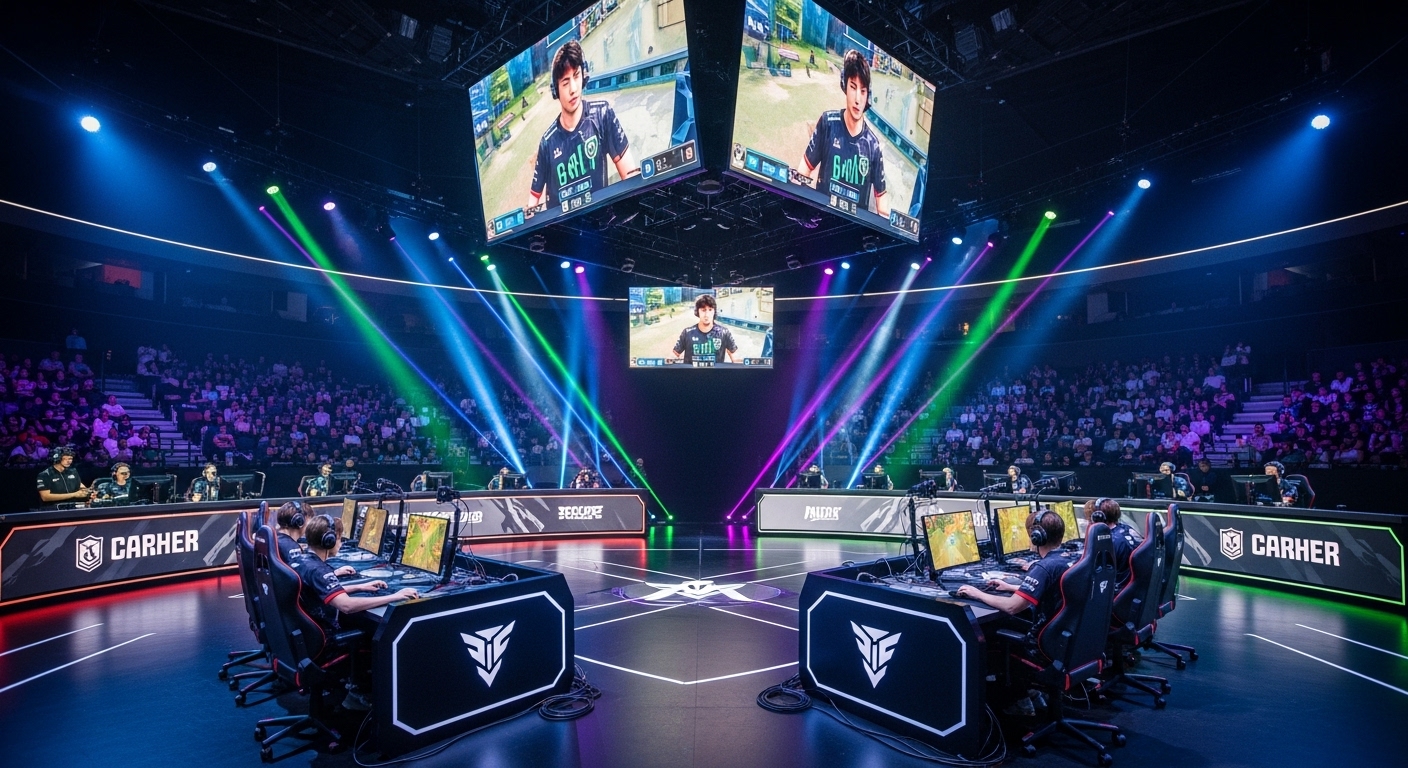
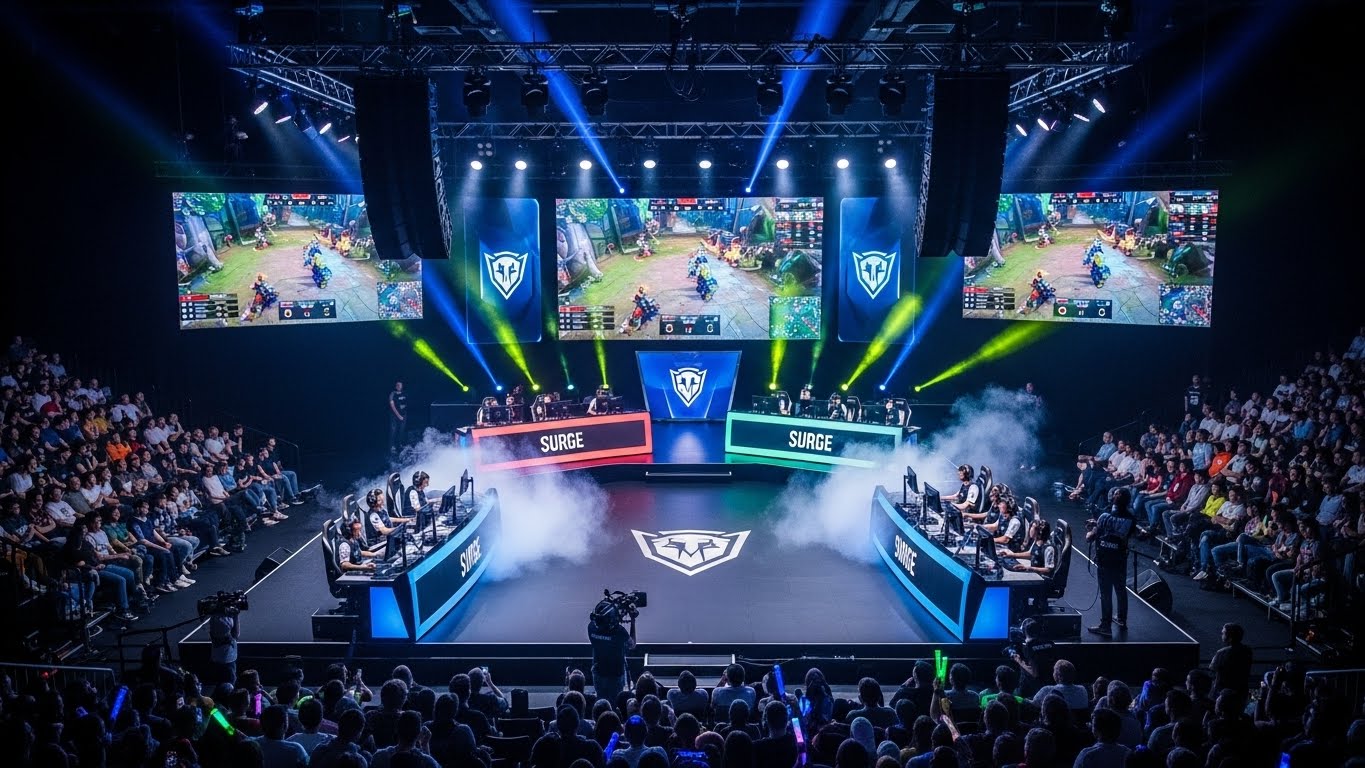
Esports has exploded in popularity over the last two decades, transforming from a niche pastime into a multi-billion-dollar industry with millions of fans and players worldwide. Competitive gaming is no longer confined to basement tournaments between friends. It now occupies massive stadiums, is broadcast across multiple platforms, and features world-class athletes battling for huge prize pools. This blog will explore the meteoric rise of esports, its cultural significance, its impact on the gaming industry, and the future of competitive gaming.
The Origins of Esports: Humble Beginnings
Esports, short for “electronic sports,” has roots in the early days of video gaming. The concept of competition through video games began with informal tournaments, where players competed to set high scores on arcade machines. The first official esports event is often considered to be the “Intergalactic Spacewar Olympics” held in 1972 at Stanford University. This early tournament centered around the game “Spacewar” and offered a modest prize of a year’s subscription to Rolling Stone magazine. It was a small, localized event, but it set the stage for what would come decades later.
In the 1990s, as the internet began to take shape, games like “Warcraft,” “StarCraft,” and “Quake” introduced multiplayer capabilities. Players could now connect online and compete against each other, eliminating geographical boundaries. This was a game-changer. As internet speeds improved and broadband became more widely available, online competitions began to grow in popularity. The formation of leagues and tournaments like the “Cyberathlete Professional League” (CPL) in 1997 helped legitimize competitive gaming and paved the way for future esports competitions.
The Golden Age: Mainstream Adoption and Global Growth
The early 2000s marked the beginning of esports’ transition from a niche community to a global phenomenon. Games such as “Counter-Strike,” “Warcraft III,” and “League of Legends” helped to solidify esports as a legitimate, professional activity. Online streaming platforms like Twitch, which launched in 2011, played a critical role in expanding the reach of esports. For the first time, fans could watch their favorite players and teams live, regardless of their location.
One of the most significant milestones during this period was the emergence of massive esports tournaments with large prize pools. The “The International,” an annual “Dota 2” tournament organized by Valve, first took place in 2011 and offered a $1 million prize. This marked a shift in how esports were viewed—not just as a hobby, but as a serious competitive sport. The success of “The International” and similar tournaments, such as the “League of Legends World Championship,” demonstrated that esports could attract the same level of attention, sponsorships, and media coverage as traditional sports.
Esports organizations began to form, creating professional teams with players who were compensated for their skills. The idea of esports as a career took hold, and top-tier players began training full-time, dedicating their lives to mastering their craft. Major sponsors like Coca-Cola, Intel, and Red Bull began to invest heavily in esports, providing financial support for tournaments and teams. Broadcasts on platforms like YouTube and Twitch attracted millions of viewers, and some esports events began to rival traditional sports in terms of viewership.
The Cultural Impact of Esports
Esports has had a profound cultural impact, especially on younger generations. For many, watching esports has become a central part of their entertainment diet. Much like traditional sports fans follow basketball, football, or soccer, esports fans closely track professional teams, players, and tournaments. The rise of esports has also given birth to a new wave of gaming celebrities, with players like “Faker” (Lee Sang-hyeok) in “League of Legends,” “Ninja” (Tyler Blevins) in “Fortnite,” and “s1mple” (Oleksandr Kostyliev) in “Counter-Strike: Global Offensive” achieving celebrity status and earning sponsorships from major global brands.
Esports has also significantly influenced other aspects of popular culture. The integration of gaming into movies, TV shows, and even fashion has helped to legitimize gaming as a mainstream form of entertainment. Esports has been featured in major media outlets, and tournaments are often broadcasted on traditional TV networks or platforms like ESPN. Game-themed merchandise, from clothing to accessories, is now a major market, with brands like Adidas and Nike creating lines specifically designed for the esports community.
Moreover, the esports community is incredibly diverse, offering a space for people of all backgrounds to connect through their love of gaming. This inclusivity is one of the defining features of the esports culture, as players from different parts of the world, regardless of race, gender, or nationality, can come together to compete. The growing number of female gamers and commentators also reflects the industry’s attempt to break traditional gender barriers in competitive gaming.
Esports: A Multi-Billion Dollar Industry
The business side of esports has grown just as rapidly as its cultural impact. The esports industry is now worth billions, with some estimates putting the total market value at over $1 billion in 2023. Much of this revenue comes from sponsorships, media rights, advertising, merchandise sales, and ticket sales for live events.
Sponsorship deals have been one of the key drivers behind the financial growth of esports. Major brands, including Coca-Cola, Intel, and Monster Energy, have all invested in esports by sponsoring tournaments, teams, and individual players. These sponsorships allow companies to tap into the lucrative and growing esports audience, which is predominantly young, tech-savvy, and highly engaged with digital media.
Another source of revenue comes from media rights. As esports tournaments grow in prominence, broadcasting deals with platforms like Twitch, YouTube, and Facebook have become increasingly lucrative. These platforms pay for the rights to stream high-profile tournaments, providing exposure for both the event organizers and the teams involved. In addition, esports media companies are increasingly selling rights to traditional TV networks, broadening their reach and cementing esports as a mainstream form of entertainment.
The esports merchandise market has also seen considerable growth, with branded apparel, gaming peripherals, and other products being sold to fans and collectors. In addition to physical goods, esports teams and organizations are profiting from in-game items and skins, which have become highly valuable within the gaming community.
The Rise of Esports as a Legitimate Career Path
One of the most significant developments in esports over the past decade has been the emergence of professional gaming as a legitimate career. In the early days, players were often amateurs competing for modest prizes and recognition. Today, top esports athletes can make millions of dollars in prize money, sponsorships, and streaming revenue. High-profile players like “KennyS” from “Counter-Strike: Global Offensive” and “Faker” from “League of Legends” earn salaries that rival those of professional athletes in traditional sports.
Esports organizations have become highly structured, with coaches, analysts, managers, and even psychologists dedicated to helping players perform at their peak. The level of professionalism has increased dramatically, and many teams even provide their players with personal trainers, nutritionists, and mental conditioning coaches to help them succeed. For players, competing in esports tournaments is now a full-time job, and the most successful players can secure lucrative sponsorship deals and streaming opportunities that allow them to make a living from gaming.
Furthermore, esports offers a range of career opportunities beyond being a professional player. Many individuals have found success in coaching, broadcasting, event organizing, and even content creation. This variety of career paths has made esports a viable industry for people with a passion for gaming and competition to build long-lasting careers.
The Future of Esports: Global Expansion and Innovation
As esports continues to grow, its future seems incredibly promising. The integration of virtual reality (VR) and augmented reality (AR) into gaming could offer entirely new ways to experience competitive gaming. These technologies could revolutionize how tournaments are held, offering fans immersive experiences like never before.
Esports is also likely to expand further globally, especially in regions like Asia, Latin America, and the Middle East, where the gaming culture is growing rapidly. As internet infrastructure improves and gaming becomes more accessible, these regions will become key players in the global esports ecosystem.
Mobile esports is another area poised for explosive growth. As mobile games like “PUBG Mobile,” “Arena of Valor,” and “Clash Royale” gain traction worldwide, mobile esports tournaments are becoming a major part of the esports landscape. Mobile esports could bring competitive gaming to a broader audience, especially in developing countries where high-end gaming PCs and consoles are not as accessible.
Esports is also likely to continue blurring the lines between gaming, traditional sports, and entertainment. The involvement of celebrities from the entertainment industry, as well as increasing partnerships between gaming companies and sports organizations, will only strengthen the relationship between esports and mainstream media.
Conclusion: The Unstoppable Rise of Esports
Esports has evolved from humble beginnings to become one of the most influential entertainment industries in the world. It has brought together millions of players and fans, created new career opportunities, and changed how we think about competition, community, and gaming. As technology continues to evolve and esports expands globally, the future of competitive gaming is brighter than ever.
From its origins in arcade competitions to the massive global tournaments of today, esports has proven that it is not just a passing trend but a cultural and business force that will continue to shape the digital landscape for years to come. Whether you are a player, fan, or industry professional, one thing is clear: esports is here to stay.