Introduction
Esports, or electronic sports, has evolved from a niche hobby to a mainstream global phenomenon that captivates millions of fans across the world. What once began as casual gaming between friends has turned into a billion-dollar industry that rivals traditional sports in popularity, revenue, and influence. The rise of Esports has changed the landscape of entertainment, technology, and competition. With its explosive growth over the last two decades, Esports has proven that gaming is more than just a recreational activity—it’s a legitimate career, a form of entertainment, and a cultural movement.
The Early Days of Competitive Gaming
The origins of Esports can be traced back to the early 1970s when video games were still in their infancy. The first known competitive gaming event took place in 1972 at Stanford University, where players competed in the game Spacewar!. While small in scale, this event laid the foundation for future gaming competitions. During the 1980s, arcade games like Pac-Man and Donkey Kong became immensely popular, and local tournaments started to attract attention.
The 1990s marked a turning point for gaming competitions as home consoles and personal computers became more accessible. Titles like Street Fighter II, StarCraft, and Quake helped establish the idea of organized tournaments. The advent of the internet also allowed players from different regions to compete remotely, expanding the competitive scene beyond local events. Esports was slowly finding its identity, though it was still far from the global industry it would later become.
The Birth of Modern Esports
The early 2000s ushered in a new era for Esports. Games like Counter-Strike, Warcraft III, and Dota brought competitive multiplayer gaming to new heights. Professional teams began to form, and dedicated tournaments started offering substantial prize pools. Online streaming platforms and broadband internet made it easier for fans to watch live matches, helping Esports gain exposure.
One of the defining moments in Esports history was the release of StarCraft: Brood War in South Korea. The game’s popularity led to the creation of professional leagues, dedicated gaming channels, and celebrity players. South Korea became the epicenter of Esports culture, with players achieving superstar status. The infrastructure developed in Korea—training houses, sponsorships, and televised matches—set a blueprint for how Esports could function as a legitimate sporting industry.
The Rise of Major Esports Titles
Over the years, certain games have become synonymous with Esports. Each of these titles contributed uniquely to the growth of the industry.
League of Legends (LoL), developed by Riot Games, transformed the Esports ecosystem with its structured league system and consistent global tournaments. The League of Legends World Championship attracts millions of viewers annually, setting viewership records that rival major sporting events.
Dota 2, a successor to the original Defense of the Ancients, became known for its massive prize pools. The game’s annual tournament, The International, regularly features multi-million-dollar rewards funded through player contributions, emphasizing the strength of community-driven Esports.
Counter-Strike: Global Offensive (CS:GO) remains one of the longest-running competitive titles, thanks to its balance, skill requirement, and team-based strategy. The CS:GO Major Championships are among the most prestigious events in the gaming world.
Fortnite redefined Esports for a younger generation by blending casual play with high-stakes competition. The Fortnite World Cup turned teenage players into millionaires overnight, highlighting how accessible and lucrative Esports can be.
Meanwhile, games like Overwatch, Valorant, Call of Duty, and PUBG have diversified the Esports ecosystem, each bringing in their own audiences, cultures, and styles of play.
The Role of Technology in Esports Growth
Technological advancements have played a pivotal role in the evolution of Esports. High-speed internet, powerful gaming PCs, and advanced graphics have enabled seamless gameplay and high-quality broadcasts. Streaming platforms such as Twitch and YouTube Gaming have revolutionized how fans consume Esports content. Viewers can now watch tournaments, follow their favorite players, and engage with live chat communities in real time.
Moreover, the rise of virtual reality (VR) and augmented reality (AR) promises to reshape the Esports experience even further. As these technologies mature, they could introduce new forms of interactive competition that blend physical and digital elements. Cloud gaming also stands to make Esports more accessible by reducing hardware requirements and allowing players to compete from virtually any device.
The Professional Esports Ecosystem
Esports has evolved into a fully developed industry with professional teams, leagues, and sponsors. Players undergo rigorous training regimens similar to traditional athletes, often practicing for ten or more hours a day. Teams employ coaches, analysts, nutritionists, and even psychologists to ensure optimal performance.
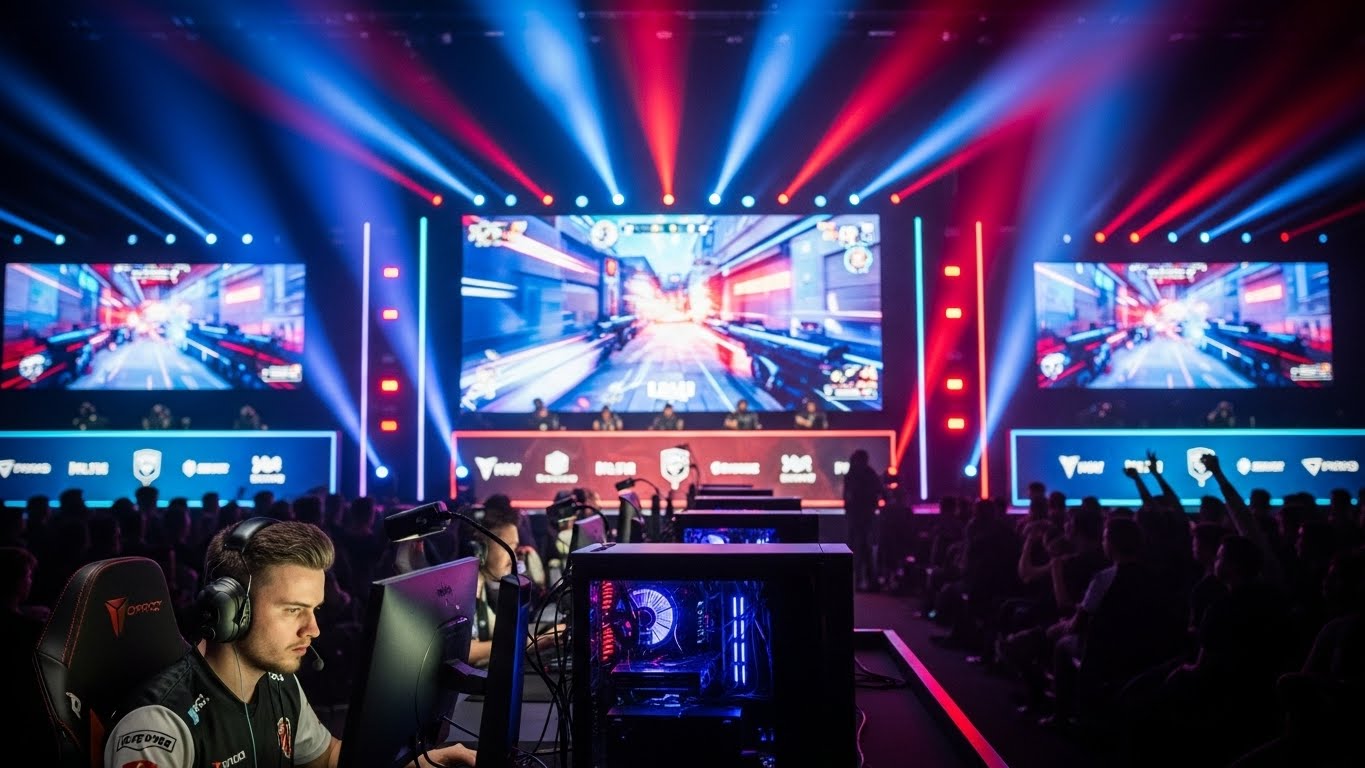
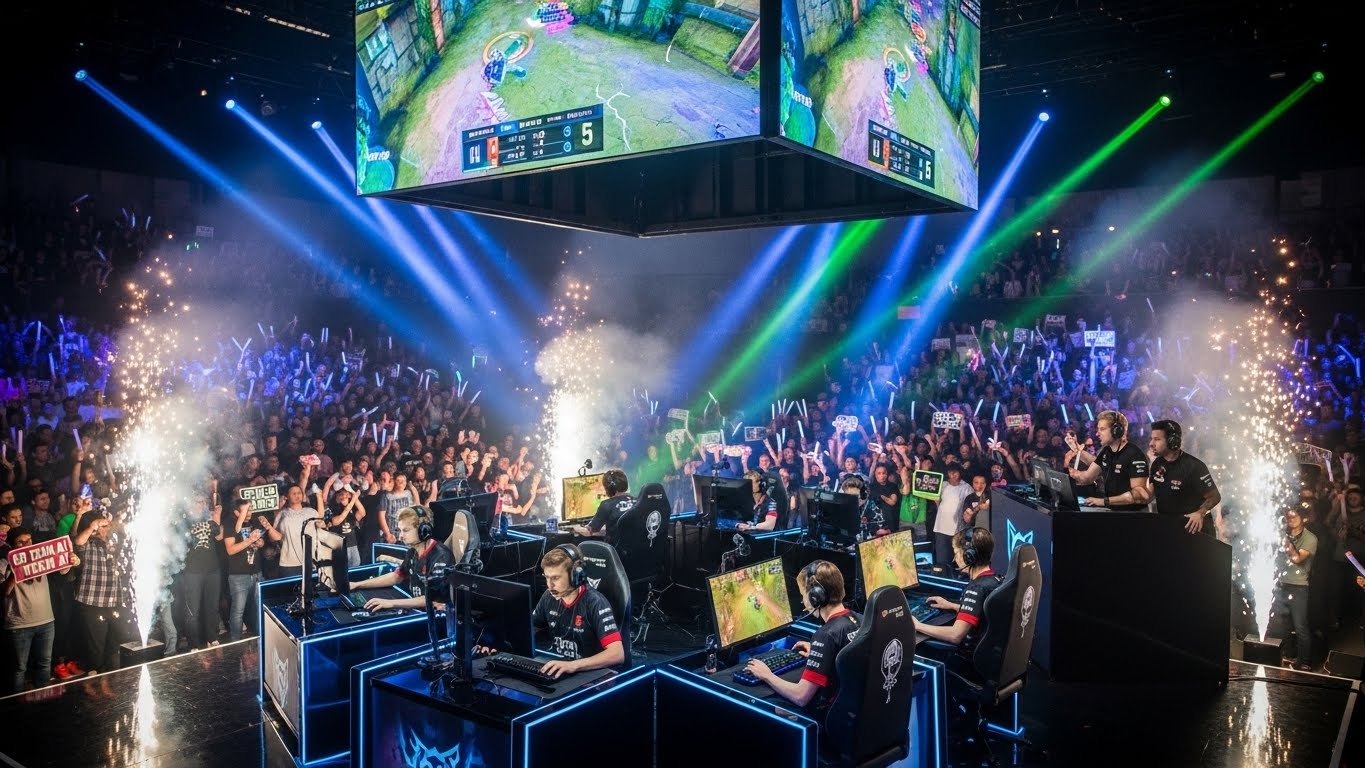
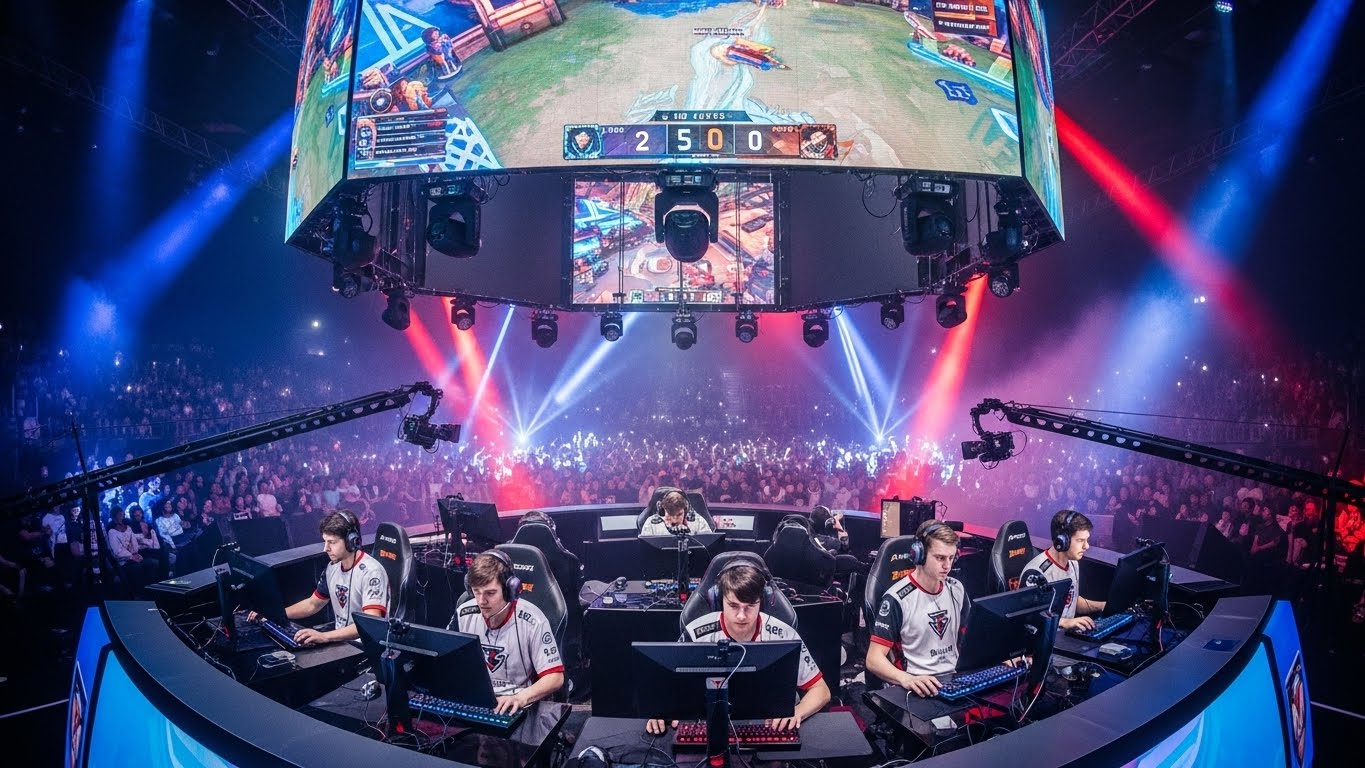
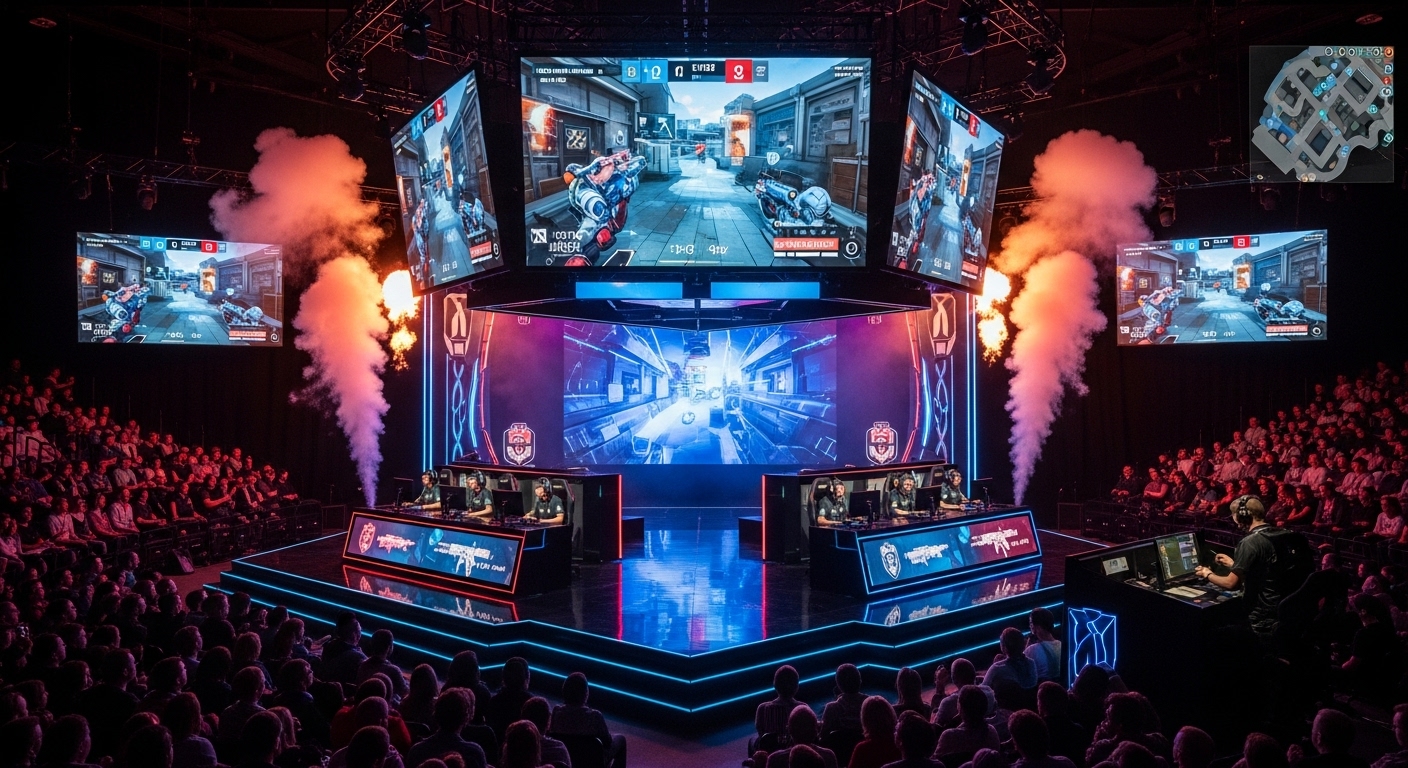
Major organizations like Team Liquid, Fnatic, Cloud9, and T1 have become household names, managing multiple teams across different games. Sponsorships from global brands such as Intel, Red Bull, and Adidas have fueled the industry’s financial growth. Esports events now take place in massive arenas filled with cheering fans, complete with elaborate stage designs, lighting effects, and commentary teams.
The business side of Esports is equally impressive. Tournament organizers, game developers, advertisers, and media companies all play crucial roles in sustaining the ecosystem. Prize pools can reach tens of millions of dollars, while top players earn substantial incomes from salaries, sponsorships, and streaming revenue.
The Cultural Impact of Esports
Esports has transcended gaming to become a significant part of modern culture. It has created communities that span continents, bringing together people who share a passion for competitive gaming. Social media has amplified this connection, turning players into influencers and fans into active participants in the Esports narrative.
The crossover between Esports and entertainment is increasingly evident. Music artists, actors, and traditional athletes often participate in gaming events or collaborate with Esports organizations. This fusion of pop culture and gaming has made Esports more appealing to mainstream audiences.
Educational institutions are also embracing Esports. Universities around the world now offer Esports scholarships and degree programs focused on gaming management, marketing, and technology. This academic recognition further legitimizes Esports as a professional and academic pursuit.
Esports and the Global Economy
The economic impact of Esports is undeniable. The industry generates billions of dollars annually through sponsorships, merchandise sales, media rights, and live events. Countries like South Korea, the United States, and China have invested heavily in developing Esports infrastructure, seeing it as a driver of innovation and employment.
Cities are building dedicated Esports arenas to host tournaments, while gaming cafes and training facilities continue to expand. The tourism industry benefits as well, as international fans travel to attend live events. This growth has also spurred job creation in event management, content creation, broadcasting, and game development.
Challenges Facing the Esports Industry
Despite its success, Esports faces several challenges. One of the biggest issues is player burnout. The intense competition and demanding practice schedules can lead to physical and mental fatigue. Ensuring player welfare is becoming an important topic for teams and organizations.
Cheating and match-fixing have also been problematic, threatening the integrity of competitions. Developers and tournament organizers are investing in better anti-cheat systems and stricter regulations to maintain fair play.
Another major concern is the lack of standardized global governance. Unlike traditional sports, Esports does not have a universal governing body. Each game is managed independently by its publisher, leading to inconsistent rules and regulations. Establishing international standards could help ensure the sustainability and credibility of the industry.
Additionally, diversity and inclusivity remain ongoing challenges. While Esports is theoretically open to everyone, gender representation and accessibility issues persist. Promoting inclusivity across all levels of competition is vital for the continued growth and fairness of Esports.
The Future of Esports
The future of Esports looks incredibly promising. As technology continues to evolve, so too will the ways people engage with competitive gaming. The integration of artificial intelligence could revolutionize player analytics, coaching methods, and viewer experiences. Virtual and augmented reality may create entirely new Esports genres, while blockchain technology could enhance transparency in tournament payouts and ownership of digital assets.
Esports is also poised to enter the realm of traditional sports more formally. Discussions about including Esports in major multi-sport events, such as the Olympics, highlight its growing legitimacy. Younger generations, who grew up with gaming as a central part of their entertainment, will continue to drive demand for competitive gaming content.
Cross-platform gaming will likely expand Esports audiences even further. Mobile gaming, in particular, has opened new frontiers in regions like Southeast Asia, India, and Latin America. Titles such as Mobile Legends, Free Fire, and PUBG Mobile have already built thriving competitive scenes that attract millions of players and spectators.
Esports as a Career Path
For many young people, Esports represents more than entertainment—it’s a viable career. Professional players can earn substantial incomes, but the industry also offers opportunities beyond competing. Careers in game design, event production, content creation, marketing, and broadcasting are becoming increasingly common.
Streaming platforms have democratized content creation, allowing individuals to build personal brands and connect directly with audiences. Esports journalism, coaching, and talent management are other growing fields that contribute to the industry’s ecosystem.
With proper guidance, education, and support, Esports can become a long-term career path rather than a fleeting opportunity. The key lies in building sustainable structures that protect players and professionals while fostering growth and creativity.
The Social Aspect of Esports
Beyond the competition and business, Esports plays a significant social role. It bridges cultural and geographical divides, allowing players and fans from different parts of the world to interact and collaborate. Online communities have formed around shared passions, fostering friendships and collaborations that transcend borders.
Esports also promotes teamwork, strategy, and communication. Players learn valuable skills such as leadership, discipline, and adaptability—qualities that extend beyond gaming. As society increasingly values digital literacy, Esports provides a platform for individuals to develop skills relevant to the modern world.
Conclusion
Esports has come a long way from its humble beginnings in university labs and arcade halls. What started as friendly competition among gamers has grown into a global industry that influences entertainment, culture, and technology. It embodies the digital age’s spirit—fast-paced, interconnected, and innovative.
As Esports continues to expand, it will shape not only how we play games but also how we perceive competition, community, and creativity. Its impact on future generations will be profound, inspiring countless individuals to pursue their passions in gaming and beyond. The story of Esports is still being written, but one thing is clear: it is not just the future of gaming—it is the future of global entertainment.