Introduction: A New Era of Competitive Entertainment
Over the past two decades, the world has witnessed the rise of a phenomenon that has redefined what it means to be an athlete, a competitor, and even a fan. Esports, short for electronic sports, has evolved from informal gaming sessions in bedrooms and internet cafés to a global industry commanding millions of viewers, professional athletes, massive sponsorships, and cultural recognition. Far from being just a pastime, esports has become a legitimate competitive field with its own rules, strategies, fan culture, and economic structure. This blog explores how esports rose to prominence, why it continues to grow, and what its future might hold.
The Evolution of Competitive Gaming
The roots of esports can be traced back to the late 20th century when arcade games first captivated players. Games like Space Invaders and Pac-Man drew high score chasers who would compete for bragging rights. The real shift began in the 1990s with the rise of PC gaming and multiplayer titles such as Doom, Quake, and StarCraft. Local tournaments, school competitions, and community gaming events began to emerge, laying the groundwork for organized, professional competitive play.
As internet connectivity improved, players from around the world could compete in real time, bridging geographical barriers. Online multiplayer games fostered communities and rivalries, transforming individual gaming experiences into shared competitions. What was once an informal hobby quickly gained structure and recognition, eventually leading to the establishment of professional leagues and tournaments.
The Explosion of Esports Titles
Esports is not defined by a single game or even a single genre. Instead, it encompasses a diverse collection of competitive titles, each with its own fanbase and competitive structure. Some of the most influential genres include real-time strategy, multiplayer online battle arenas, first-person shooters, sports simulations, and fighting games.
Games like League of Legends, Dota 2, Counter-Strike, Valorant, and Overwatch have become staples in the industry, drawing millions of players and spectators. Each game has its own rules, skill requirements, and competitive scene, allowing fans to gravitate toward the experiences they enjoy most. The wide variety of esports titles ensures that the ecosystem remains dynamic and inclusive, appealing to different playstyles and interests.
The Rise of Professional Players and Teams
As esports grew, the role of the professional gamer became more defined. Today, esports athletes undergo rigorous training schedules, strategize with coaches, review gameplay footage, and participate in practice scrims much like traditional athletes. They require exceptional reflexes, deep game knowledge, teamwork skills, and mental resilience. Many players start training at a young age and may join organized amateur leagues before being discovered by professional teams.
Esports teams, much like football or basketball clubs, have brand identities, coaching staff, analysts, managers, and sponsors. Some of the most well-known organizations have become internationally recognized brands, recruiting players from around the world. These teams compete in leagues and tournaments with prize pools that can reach millions, helping the players make esports a full-time career.
The Role of Streaming and Viewership
One of the most significant catalysts for esports growth has been the emergence of livestreaming. Streaming platforms turned competitive gaming into a spectator experience accessible to anyone with an internet connection. Viewers can watch tournaments live, follow their favorite teams, or even learn strategies by watching skilled players.
The appeal of watching esports lies not only in the gameplay but also in the personalities behind the players. Streamers and professional gamers often become influencers, sharing their lives and insights with fans. This creates a sense of connection and community that other sports sometimes struggle to replicate. The interactive nature of streaming allows fans to comment, react, and even influence content, making esports a uniquely engaging form of entertainment.
The Esports Fan Culture
Esports fans are passionate, engaged, and digitally connected. Whether cheering for their favorite teams, creating fan art, discussing strategies, or attending live events, fans play a crucial role in shaping the culture of esports. The community aspect is one of the strongest elements of the industry, fostering friendships and collaborations across borders.
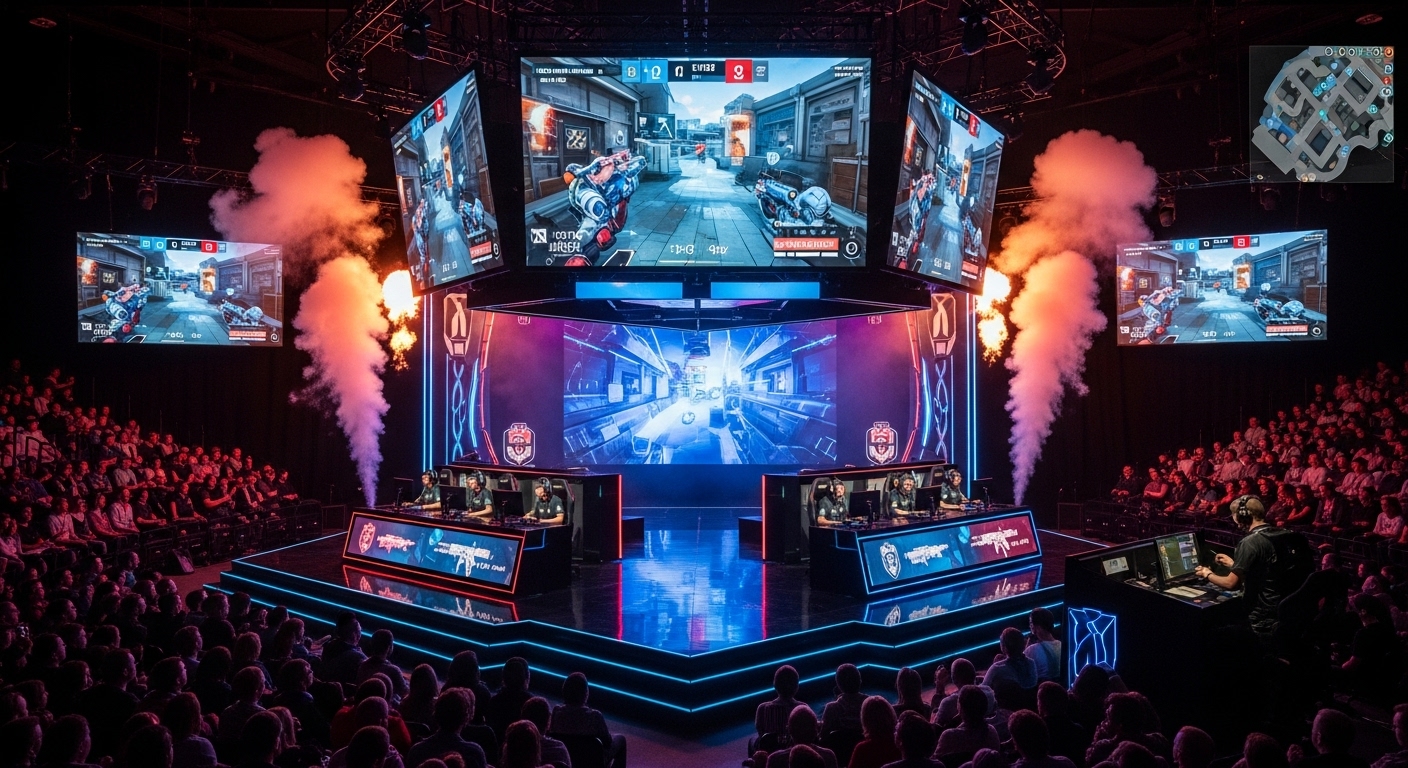
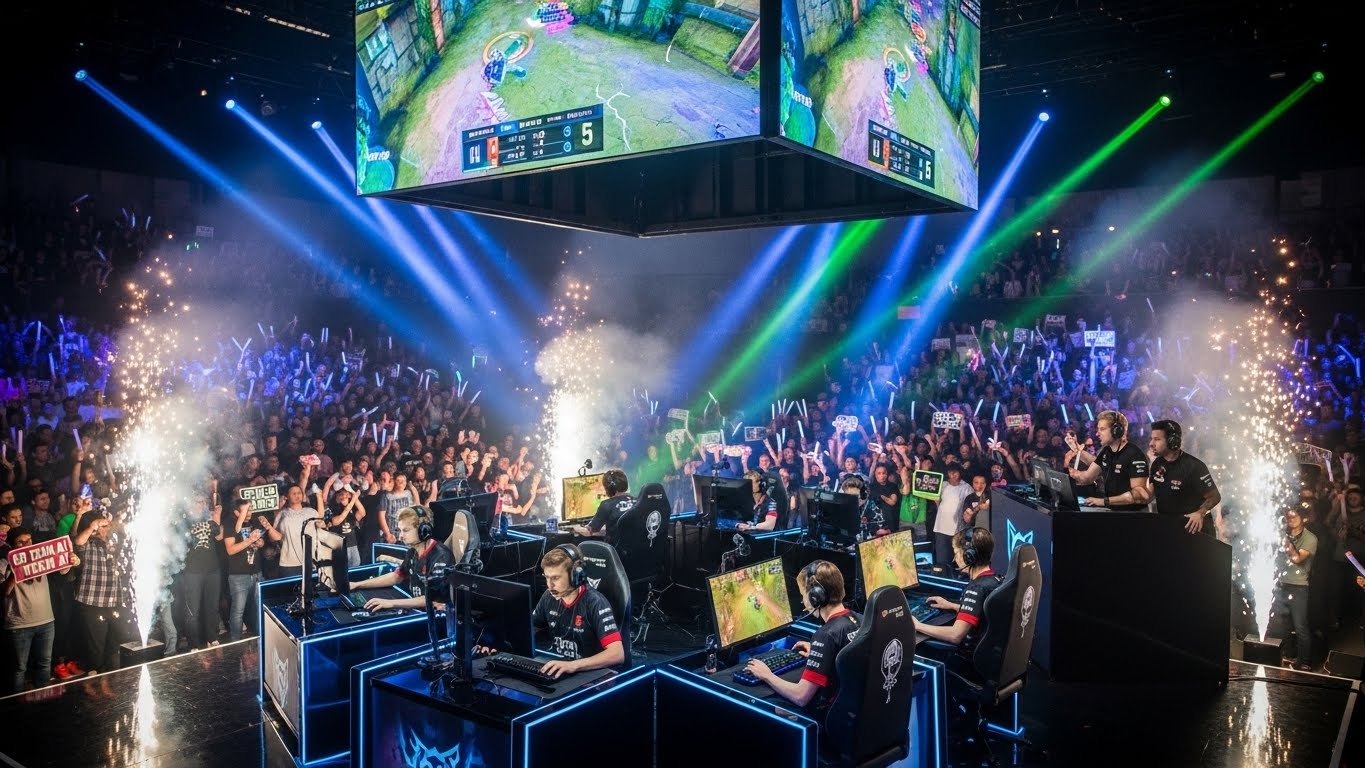
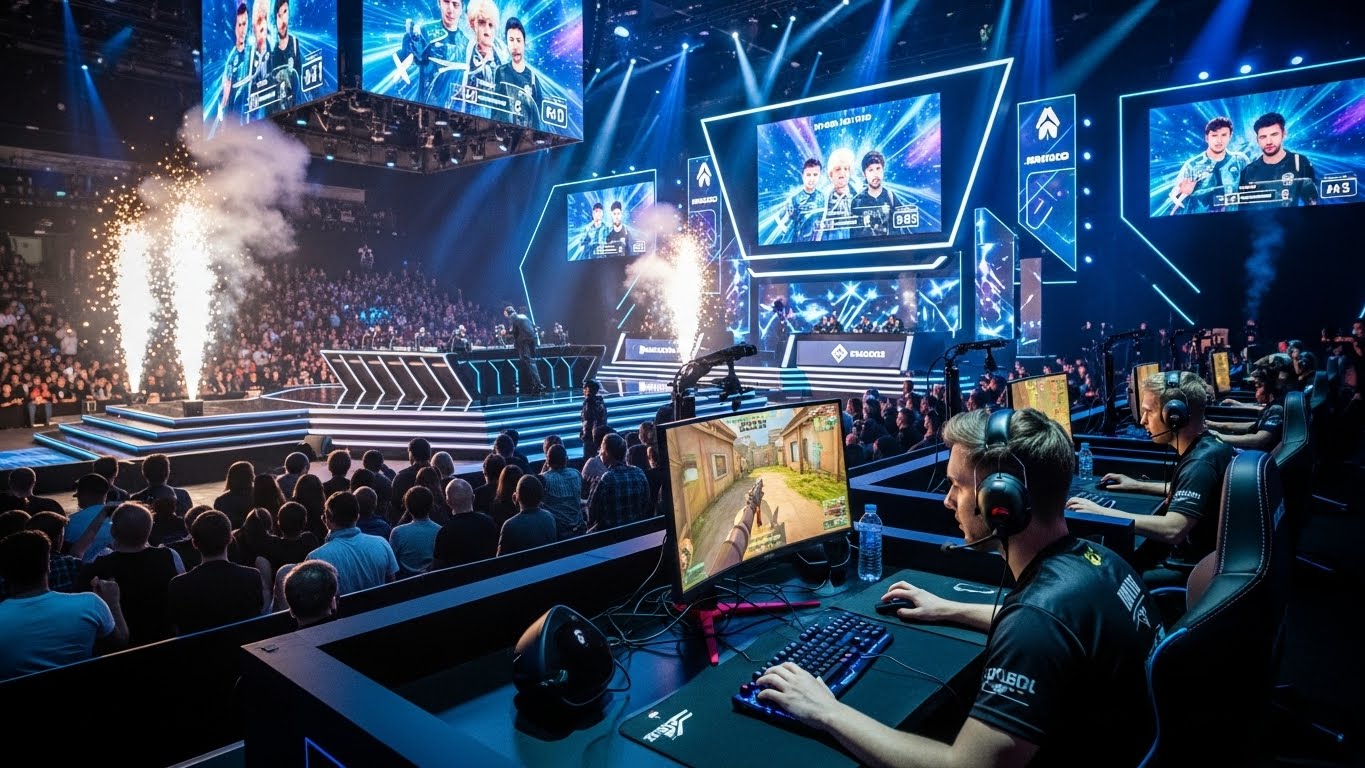
Live esports tournaments often feel like festivals. Fans gather to support their favorite teams with chants, signs, and merchandise. The atmosphere is electric, driven not only by the games but also by the shared excitement of the audience. These events have become cultural milestones, drawing thousands of attendees and millions of online viewers.
Economic Impact and Industry Growth
The esports industry has grown into a multi-billion dollar market fueled by sponsorships, media rights, advertisements, merchandise, and event ticket sales. Major companies across various industries—from technology and energy drinks to luxury brands—invest heavily in esports. Sponsorship deals help support teams, tournaments, and broadcasters, creating a financially sustainable ecosystem.
Colleges and universities around the world have even started offering scholarships for esports players, recognizing the field’s legitimacy. Additionally, governments in some countries have begun supporting esports through funding, regulatory frameworks, and inclusion in official sporting categories. This level of recognition underscores esports as a serious industry with long-term potential.
The Importance of Strategy and Teamwork
One of the most compelling aspects of esports is the level of strategy involved. Just like traditional sports require tactics, formations, and constant adaptation, esports demands deep planning and coordination. Teams analyze opponents’ playstyles, develop counterstrategies, and rehearse complex maneuvers.
In games such as League of Legends or Dota 2, a single match can involve dozens of strategic decisions, each influencing the final outcome. In shooting games, players must coordinate positioning, communication, and timing. The mental demands of esports can be as intense as those of any physically demanding sport, requiring focus, creativity, adaptability, and teamwork.
Challenges Within the Industry
Despite its rapid growth, esports faces several challenges. Player burnout is common due to demanding schedules and intense pressure. Maintaining mental and physical health is essential, and organizations are increasingly investing in wellness programs for their players. Financial disparities between top-tier and lower-tier players also remain an issue, as not all professional gamers earn sustainable incomes.
Another challenge is ensuring diversity and inclusivity. While esports has a global reach, certain groups remain underrepresented. Efforts are being made to create more inclusive environments and expand opportunities across different regions and demographics.
The Educational and Social Benefits of Esports
Contrary to outdated stereotypes viewing gaming as a distraction, esports can offer significant educational and social benefits. Competitive gaming sharpens problem-solving skills, enhances coordination, and fosters teamwork. Many young people discover leadership qualities, social skills, and personal confidence through participation in esports clubs or school teams.
Esports programs in schools and universities can provide opportunities for students who may not be interested in traditional sports but still want to engage in competitive activities. The strategic and analytical aspects of esports can also complement STEM learning, making it an effective tool for education.
The Future of Esports
Esports shows no signs of slowing down. With advancements in technology, virtual reality, augmented reality, and cloud gaming, the future promises even more immersive experiences. As the industry continues to grow, new games will emerge, new leagues will be formed, and global participation will increase.
The line between virtual and physical sports will continue to blur, with esports gaining even more mainstream recognition. Whether in the form of televised events, educational programs, or major international tournaments, esports is poised to shape the future of digital entertainment and competitive sports.
Conclusion: A Sporting Revolution for the Digital Generation
Esports has transformed from a niche hobby into a global powerhouse of competition, entertainment, and culture. It provides opportunities for players, fans, and creators alike, offering a space where talent, strategy, and passion converge. As technology continues to evolve, esports will undoubtedly continue to redefine the boundaries of modern sports.
This new digital arena is not just about games; it is about stories, communities, dreams, and the thrilling pursuit of excellence. And as long as players compete and fans cheer, esports will remain a vital part of our modern world—a true sporting revolution for the digital generation.