Introduction: A New Era of Competitive Play
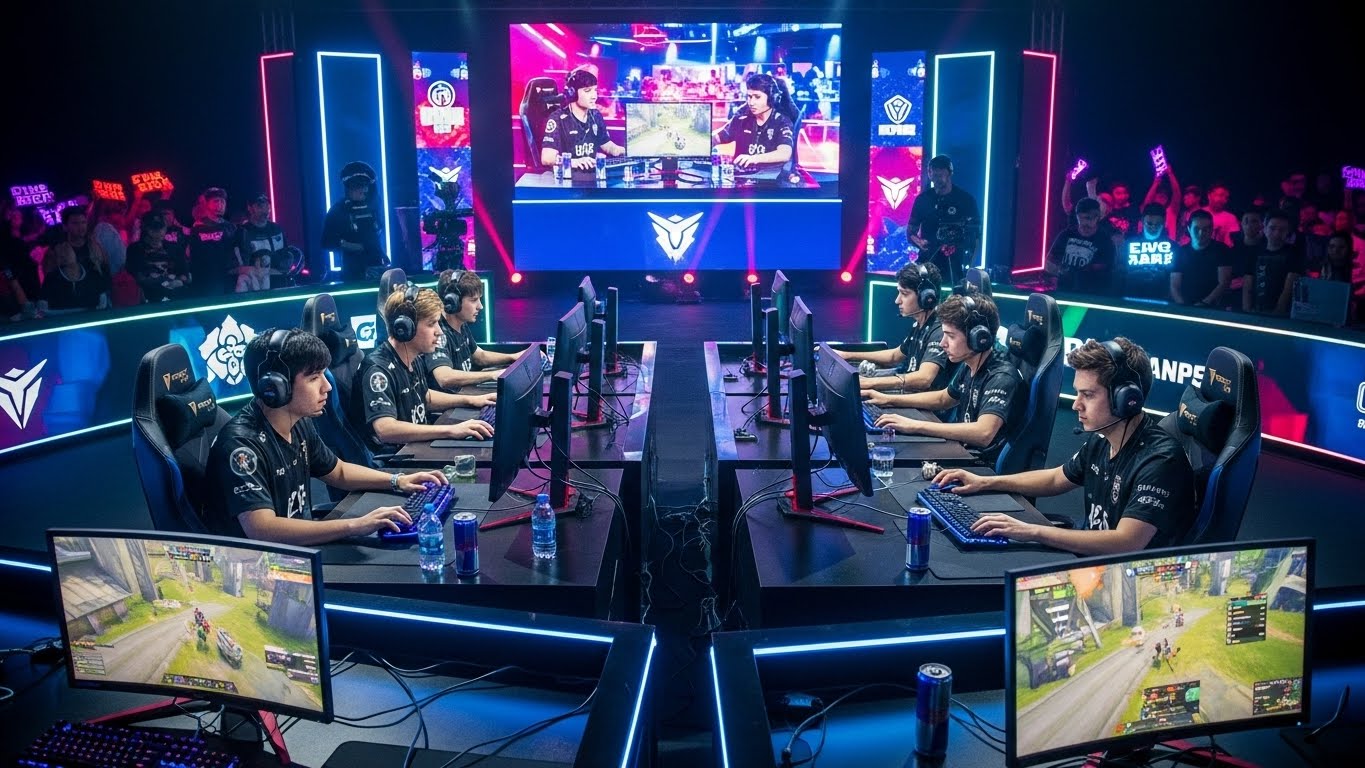
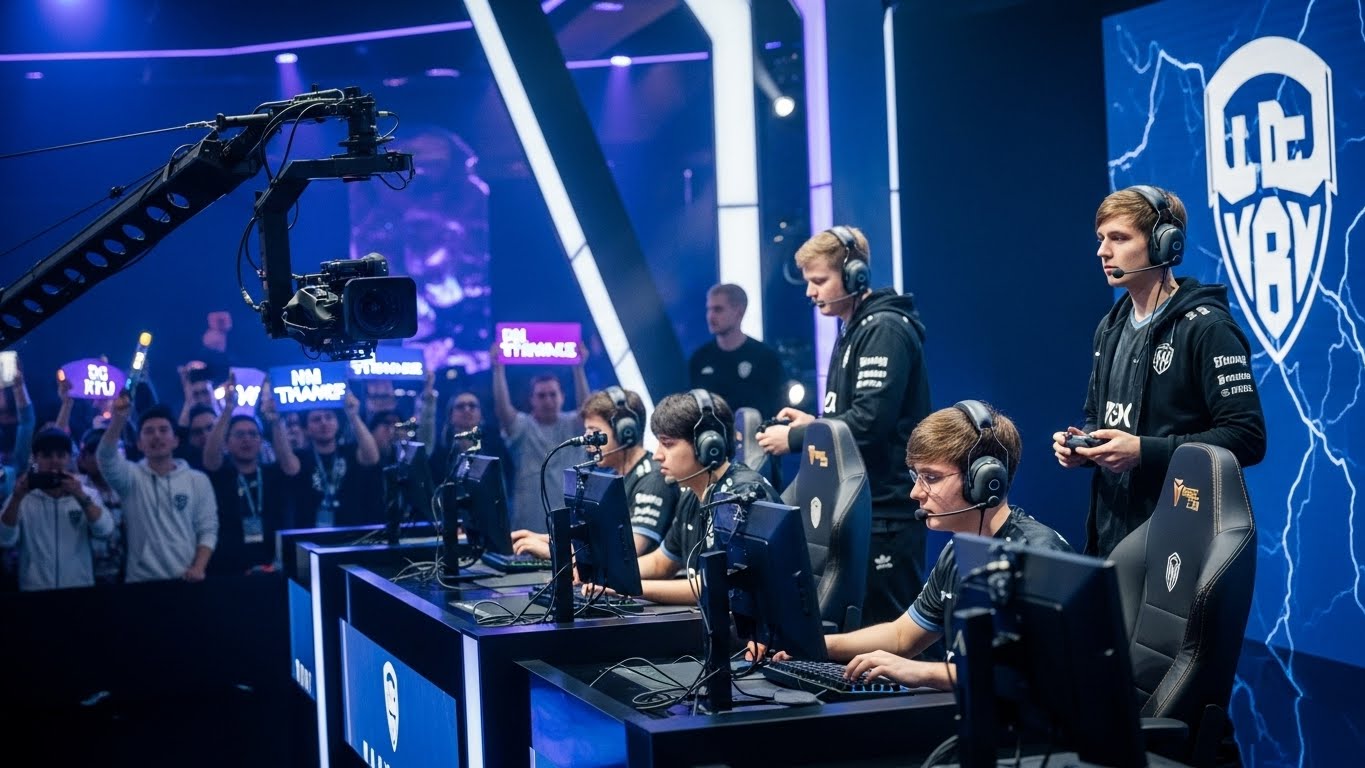
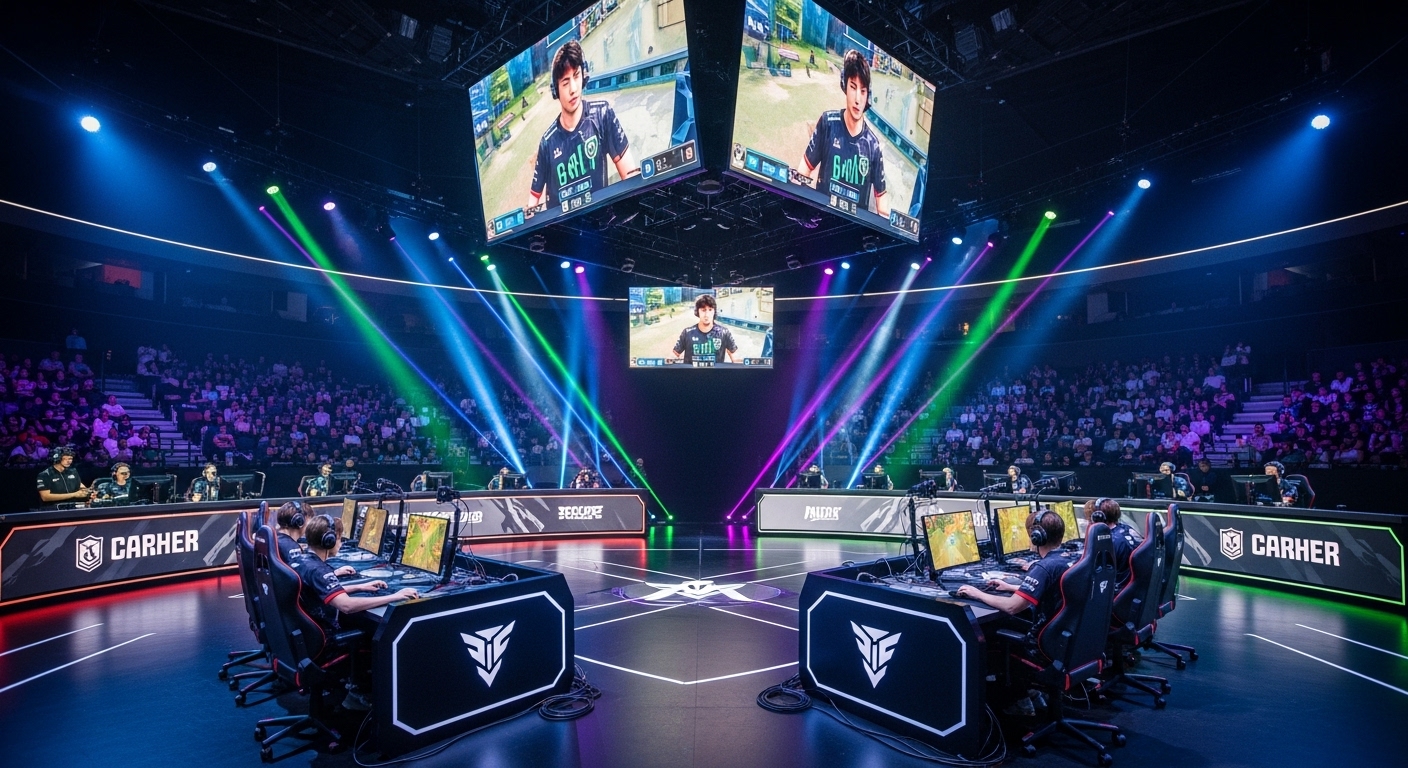
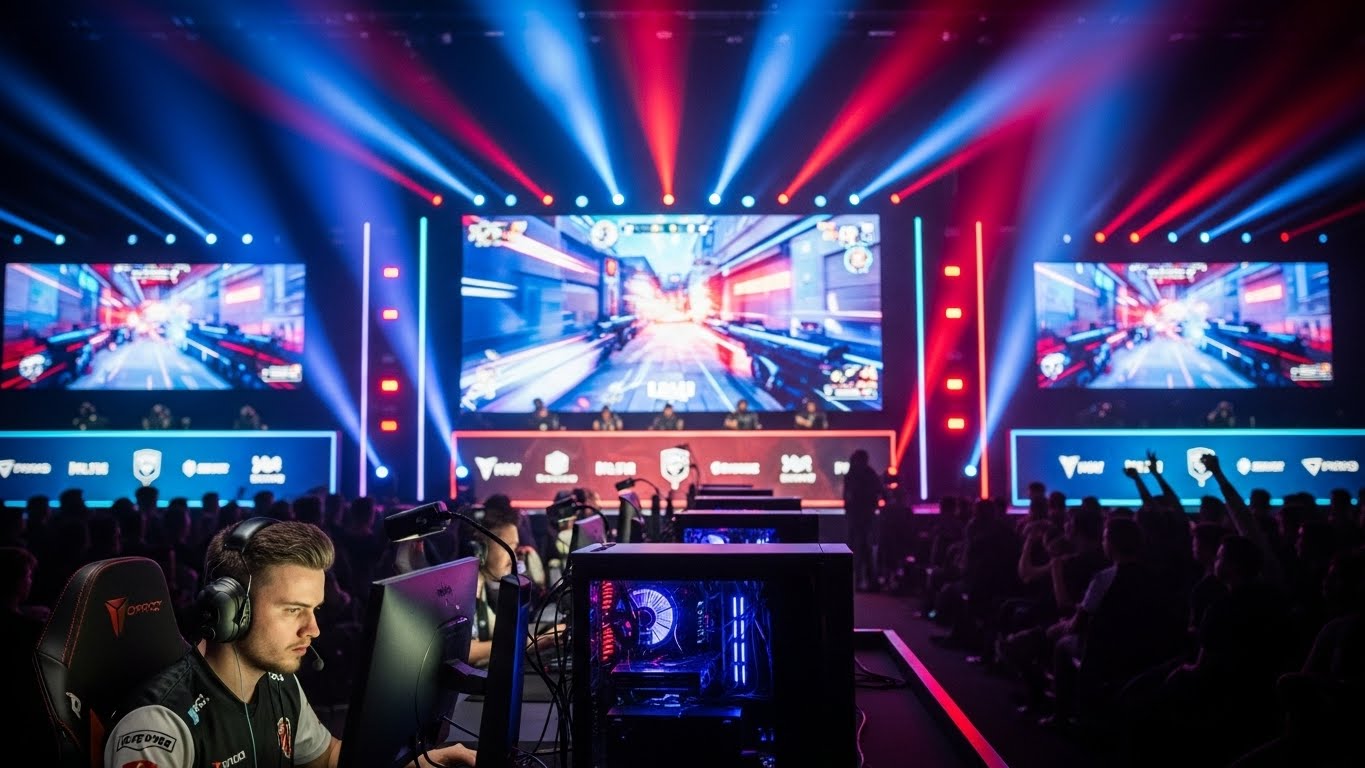
Esports has emerged as one of the most dynamic cultural and technological phenomena of the twenty-first century. What once started as small gatherings of passionate gamers has transformed into a global industry worth billions, attracting massive audiences, professional players, and major brand investments. Today, esports is not merely about playing video games; it is about discipline, entertainment, innovation, and community. As traditional sports continue to adapt to modern digital lifestyles, esports has carved out a robust identity of its own, becoming a powerful force in entertainment and competitive sport.
The Rise of Digital Competition
The concept of competitive gaming dates back to the early arcade era, when players competed for high scores on machines lined up in local shops. The modern structure of esports, however, began shaping itself in the late 1990s and early 2000s when broadband internet became more common. This allowed players to connect, cooperate, and compete with one another in ways previously unimaginable.
What propelled esports into mainstream recognition was the evolution of multiplayer online games. Titles like Counter-Strike, StarCraft, and Warcraft III enabled competitive ecosystems that encouraged skill, strategy, and team coordination. Gaming tournaments began attracting thousands of players, and soon enough, global organizations and sponsors took notice. Esports transitioned from being a niche form of entertainment to a legitimate competitive platform.
Professional Players and the Road to Mastery
Much like traditional athletes, esports professionals dedicate countless hours to perfecting their craft. They study game mechanics, practice strategies, and refine reflexes with precision. A professional esports player often trains between six to ten hours per day, working with coaches, analysts, and teammates to maintain peak performance.
This level of dedication is fueled by the high-stakes nature of esports competitions. Major tournaments offer prize pools that can reach millions, with winning teams achieving global recognition. Beyond the financial rewards, players build strong fan bases, receive sponsorships, and sometimes transition into roles such as streaming personalities, coaches, or commentators. The path to becoming a professional player may be challenging, but for those who succeed, esports can offer a rewarding and sustainable career.
A Global Community Built on Passion
One of the defining aspects of esports is its deeply connected community. Fans engage not only by watching competitions but also by participating in online discussions, supporting their favorite teams, and even playing the same games themselves. This creates a remarkable sense of closeness between players and audiences, a bond that is unique in the world of sports.
The influence of esports communities can be seen in how games evolve. Developers listen closely to feedback from fans and players, adjusting game mechanics and adding features that enhance both competitive play and viewer experience. This collaborative relationship fuels continuous innovation, making esports a rapidly evolving and exciting field.
Streaming and the Explosion of Viewership
With the rise of streaming platforms, esports viewership has soared to extraordinary heights. Millions of viewers around the world tune in to watch major tournaments, individual streamers, and live commentary. Streaming has transformed esports from an occasional competitive event into a continuous entertainment experience.
This constant exposure allows fans to connect with players on a more personal level. Viewers enjoy watching professionals play casually, joke with their communities, and share behind-the-scenes experiences. In many ways, streamers have become the celebrities of the digital world, influencing trends, sparking viral moments, and shaping the future of gaming culture.
Esports as a Career Path: Beyond Playing
The esports industry is not limited to professional players. As the industry grows, so too does the demand for skilled individuals across a range of roles. These include broadcasters, event organizers, game designers, marketing specialists, coaches, data analysts, and even psychologists who help players maintain mental resilience.
Universities and educational institutions worldwide now offer scholarships and specialized programs dedicated to esports management, game development, and related fields. This shift reflects the industry’s stability and long-term potential, creating legitimate opportunities for those who are passionate about gaming and technology.
The Business of Esports: Sponsorships and Investment
Esports has become a thriving business model, drawing investments from major brands, celebrities, and traditional sports organizations. Sponsorships form a significant part of the industry’s revenue, with companies eager to tap into the growing audience of young, tech-savvy fans.
Big-name brands that once focused on traditional sports now sponsor esports teams, tournaments, and events. These partnerships contribute to professionalizing the industry, funding larger tournaments, and increasing production quality. As investments continue to grow, esports stands at the forefront of digital entertainment, with more businesses recognizing its global influence.
Technology and Innovation Fueling the Industry
Esports owes much of its success to technological advancements. From high-performance gaming hardware to cutting-edge streaming services, every aspect of the industry relies on the constant evolution of technology.
Virtual reality, augmented reality, and cloud gaming are shaping the next generation of esports experiences. Improved graphics, faster internet speeds, and more sophisticated game engines allow developers to create immersive worlds that captivate both players and viewers. Technology not only enhances gameplay but also the way esports events are broadcast, making them visually engaging and accessible to audiences around the world.
Esports and Traditional Sports: A Convergence of Worlds
While esports and traditional sports may seem vastly different, the two share many similarities. Both rely on teamwork, strategy, discipline, and physical training—albeit in different forms. The competitive spirit that drives traditional athletes is equally present in esports professionals.
Interestingly, some traditional sports organizations have embraced esports by establishing their own competitive gaming teams. This crossover highlights the growing respect for esports as a legitimate sporting discipline. The collaboration between the two industries benefits both worlds, introducing new audiences and expanding the definition of what competitive sports can be.
The Social Impact of Esports
Esports has had a profound impact on social culture and global communication. It bridges language barriers, connects individuals across continents, and fosters a sense of belonging among fans. Gaming communities often become support networks where individuals share experiences, form friendships, and find encouragement.
Esports also provides opportunities for people who may not fit into traditional athletic environments. It empowers those who excel in strategic thinking, creativity, and digital skills. For many, esports serves as a platform to showcase talents that might otherwise go unnoticed.
Challenges Facing the Industry
Despite its success, esports is not without challenges. The rapid growth of the industry has highlighted issues such as player burnout, lack of proper regulation, and the need for consistent health and wellness practices. The pressure to perform at high levels can take a toll on players, making mental and physical well-being essential priorities.
Another challenge is ensuring fair play and integrity in competitions. Developers and event organizers must continuously combat cheating, hacking, and exploitation of in-game mechanics. Additionally, as the industry expands, establishing standardized rules, contracts, and protections for players becomes increasingly important.
The Future of Esports: What Lies Ahead
The future of esports looks incredibly promising. With technological advancements, wider acceptance, and a constantly growing fan base, esports is set to become even more influential in the entertainment and sports industries. The integration of virtual reality could revolutionize competitive gaming, creating immersive experiences that blur the line between the physical and digital worlds.
Esports could also become a staple in educational systems, offering structured paths for students to develop skills in technology, teamwork, and strategy. As more countries recognize esports as an official sport, global competitions may soon hold the same prestige as traditional world championships.
Conclusion: A Digital Legacy in the Making
Esports is more than a trend; it is a cultural shift that reflects the digital age. It celebrates intelligence, creativity, and community in ways that resonate deeply with modern audiences. As it continues to break boundaries and redefine competition, esports stands as a testament to how passion and technology can come together to create something extraordinary.
In the coming years, esports will continue evolving, inspiring new generations of gamers, innovators, and fans. Its journey is far from over, and its impact on global culture will only grow stronger. The digital arena is here to stay, and its influence promises to shape the future of entertainment and competitive sports for decades to come.