Introduction: The Unseen Power of Esports
In the world of modern entertainment, one revolution stands out—esports. What began as a niche hobby has rapidly evolved into a multi-billion dollar global industry, captivating millions of viewers and creating career opportunities for thousands of players, coaches, analysts, and content creators. The meteoric rise of esports is no accident. It is a testament to the power of technology, community, and passion, combined in a way that’s reshaping the very fabric of sports and entertainment. This post explores the origins of esports, its evolution into a global phenomenon, and its profound impact on gaming culture, the business world, and the entertainment landscape.
The Beginnings of Competitive Gaming: A Passion Turned into Competition
Competitive gaming has a long history, even though it might not have been called “esports” in its earliest days. The first signs of organized competitive gaming can be traced back to the 1970s when arcade games like Pong and Space Invaders became popular. Players would compete for high scores, and while these early competitions were small and informal, they laid the groundwork for what would become competitive gaming as we know it today.
In the late 1980s and early 1990s, video game tournaments began to gain traction, particularly in Japan and the United States. The introduction of personal computers and the internet created an entirely new landscape for gaming. It was with the advent of online multiplayer games like Warcraft and Quake in the mid-90s that the idea of organized, global competitions first gained serious momentum. These games allowed players to connect over the internet and face off against each other, no longer restricted by geographic boundaries. It was a turning point for the esports community, setting the stage for larger-scale tournaments that would bring together players from around the world.
The Growth of Esports: From Amateur to Professional
As the internet grew more widespread in the early 2000s, the esports scene began to transform from a grassroots hobby to a more structured industry. In 2000, Major League Gaming (MLG) was founded, providing a platform for organized competitive gaming events. MLG began hosting tournaments for popular games like Halo and StarCraft, drawing a more professional crowd. These events became known for their high production value, attracting corporate sponsorships and significant media coverage.
Meanwhile, international tournaments like The World Cyber Games (WCG) and DreamHack—two of the most well-known esports competitions—took shape. StarCraft and Counter-Strike emerged as two of the most popular esports titles during this era, and they helped to solidify competitive gaming as a legitimate career path. Professional players, coaches, analysts, and casters began to appear on the scene, further blurring the lines between gaming and professional sports.
The breakthrough moment for esports came in 2011 when streaming platforms like Twitch.tv were launched. Twitch allowed gamers to broadcast their gameplay live to an audience of anyone with an internet connection. This was a game-changer for the esports industry, as fans could now follow tournaments in real-time, interact with players, and build communities around their favorite games. The ease of access to live content was one of the key factors that helped propel esports into the mainstream.
Esports Becomes Mainstream: Global Events and Global Reach
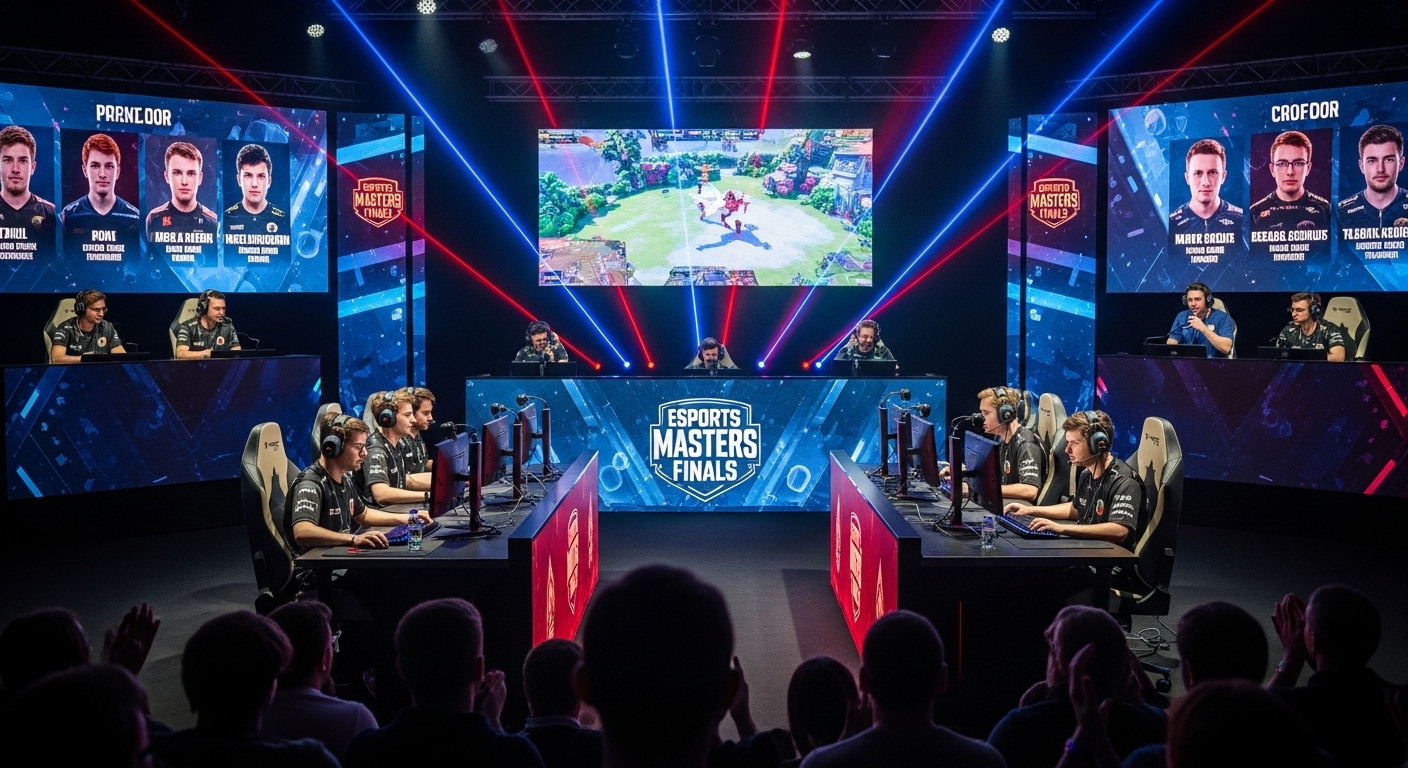
By the mid-2010s, esports had evolved into a mainstream form of entertainment. Major events like the League of Legends World Championship and The International for Dota 2 began drawing massive audiences—both online and in person. The prize pools for these events skyrocketed, with The International offering over $40 million in 2018, making it one of the largest prize pools in the history of competitive sports.
Esports was no longer confined to the niche of hardcore gamers; it had become a global spectacle. As large organizations like Riot Games (the creators of League of Legends) and Valve (the creators of Dota 2) started organizing tournaments, they drew attention from mainstream sponsors and investors. Global brands such as Coca-Cola, Intel, and Red Bull began to pour millions of dollars into the esports ecosystem, further elevating the status of competitive gaming.
The rise of esports streaming platforms such as Twitch, YouTube Gaming, and Facebook Gaming played a crucial role in this transition. These platforms not only gave viewers access to live events but also allowed content creators to build personal brands, streaming their games and building fanbases. Many professional players now earn a substantial portion of their income from streaming, often in addition to tournament winnings and sponsorships.
Esports and the Professional Athlete: Skill, Dedication, and Sacrifice
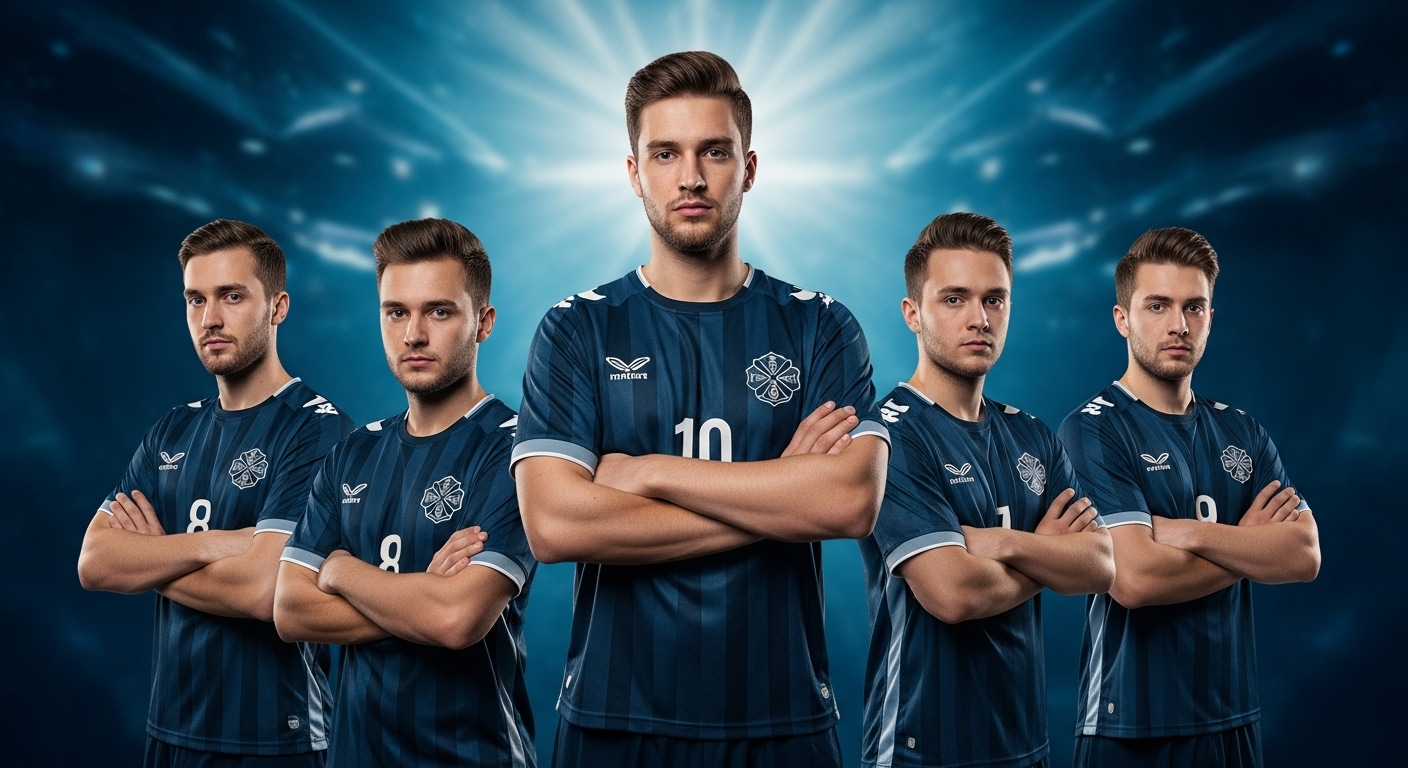
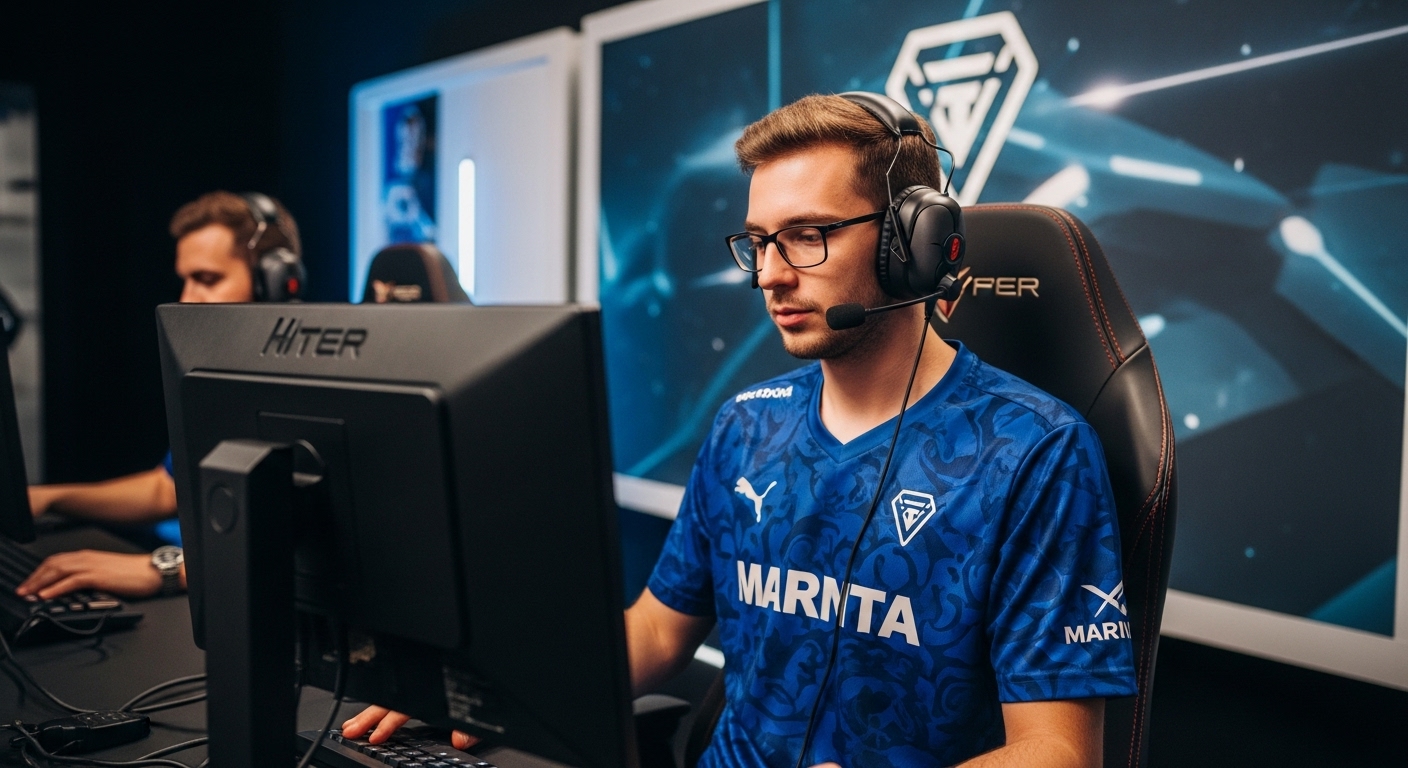
In many ways, esports players mirror traditional athletes. The commitment and dedication required to succeed in esports is no less demanding than that of any professional sport. The most successful players spend countless hours each day practicing, reviewing gameplay footage, and studying the strategies of their competitors. Many professional gamers train for up to 10 hours a day, sharpening their reflexes and improving their decision-making in high-pressure situations.
Physical fitness and mental well-being are also becoming key elements of esports training. Players are often subject to the same mental pressures as traditional athletes. High-stress situations, expectations from fans, and the pressure to perform can take a toll on mental health. Teams and organizations are increasingly focusing on providing psychological support and wellness programs to help players cope with the stress of competition. Esports players also undergo physical training, as repetitive strain injuries, eye fatigue, and poor posture can impact their performance.
In fact, some esports players have gone public with their struggles, shedding light on the mental health challenges that come with professional gaming. In recent years, esports organizations have recognized these challenges and are beginning to integrate mental health professionals and physical trainers into their teams. This holistic approach aims to help players perform at their peak while maintaining a healthy work-life balance.
The Business of Esports: A Multi-Billion Dollar Industry
The esports industry is now worth billions, with an increasing number of revenue streams coming from sponsorships, ticket sales, streaming rights, merchandise, and licensing deals. Major esports events attract massive global audiences, and sponsors are eager to tap into this lucrative market. Brands are willing to pay top dollar to have their logos featured in esports broadcasts, advertisements, and player uniforms.
Esports teams are also big business. Organizations like Cloud9, Team Liquid, and FaZe Clan have become global brands in their own right. These teams not only compete in tournaments but also run their own merchandise stores, host events, and sign sponsorships with major corporations. Some of the biggest esports organizations even have their own training facilities, coaches, and management teams, much like traditional sports franchises.
The growing popularity of esports has also sparked a shift in traditional sports media. Networks like ESPN, Fox Sports, and Turner Sports have started to air esports events, recognizing the demand for competitive gaming content. Meanwhile, streaming platforms like Twitch, YouTube Gaming, and Facebook Gaming continue to dominate the digital space, providing a platform for players, teams, and broadcasters to connect with audiences.
Esports as a Cultural Force: A Digital Community
One of the most fascinating aspects of esports is its global and inclusive nature. Unlike traditional sports, which can be constrained by geographic location or physical limitations, esports is open to anyone with an internet connection. Players from all over the world can compete against each other, regardless of where they live. This has created a vibrant, diverse global community of gamers and fans who share a common passion for competitive gaming.
The growth of esports has also led to the creation of esports-centric communities. Platforms like Discord, Reddit, and Twitter have become central hubs for fans to connect, share content, and discuss their favorite games. Esports has its own stars—players who have achieved fame not only for their gaming skills but also for their personalities. Influencers and streamers have become celebrities, with large followings that rival those of traditional athletes. These digital influencers play an integral role in shaping the esports culture, engaging with fans and promoting brands in unique ways.
Moreover, esports has begun to find its place in mainstream culture. Professional gaming is no longer seen as a niche hobby but as a legitimate form of entertainment. The widespread popularity of esports has led to its inclusion in major global events, such as the Asian Games, where esports was officially recognized as a medal event in 2018. Esports is also being incorporated into the education sector, with universities offering scholarships for esports players and even creating formal academic programs related to game design, esports management, and digital media.
The Future of Esports: Innovation and Expansion
The future of esports is bright, with continued growth expected in both the business and cultural aspects. As new technologies like virtual reality (VR) and augmented reality (AR) continue to evolve, they will likely play a role in shaping the future of competitive gaming. These innovations could provide players and fans with entirely new ways to experience esports, enhancing immersion and interactivity.
The mobile gaming market is also expected to drive the future of esports. With mobile games like PUBG Mobile and Clash Royale already gaining a significant following, mobile esports is set to expand rapidly, especially in regions like Southeast Asia and Latin America, where mobile gaming is more accessible. The rise of cloud gaming services like Google Stadia and Microsoft’s Project xCloud could further broaden the accessibility of esports, allowing gamers to compete on high-end platforms without the need for expensive hardware.
Esports is also expected to grow in regions like Africa, where internet infrastructure continues to improve. As global connectivity increases, esports will become even more inclusive, allowing players from diverse backgrounds to participate in the competitive scene.