Introduction
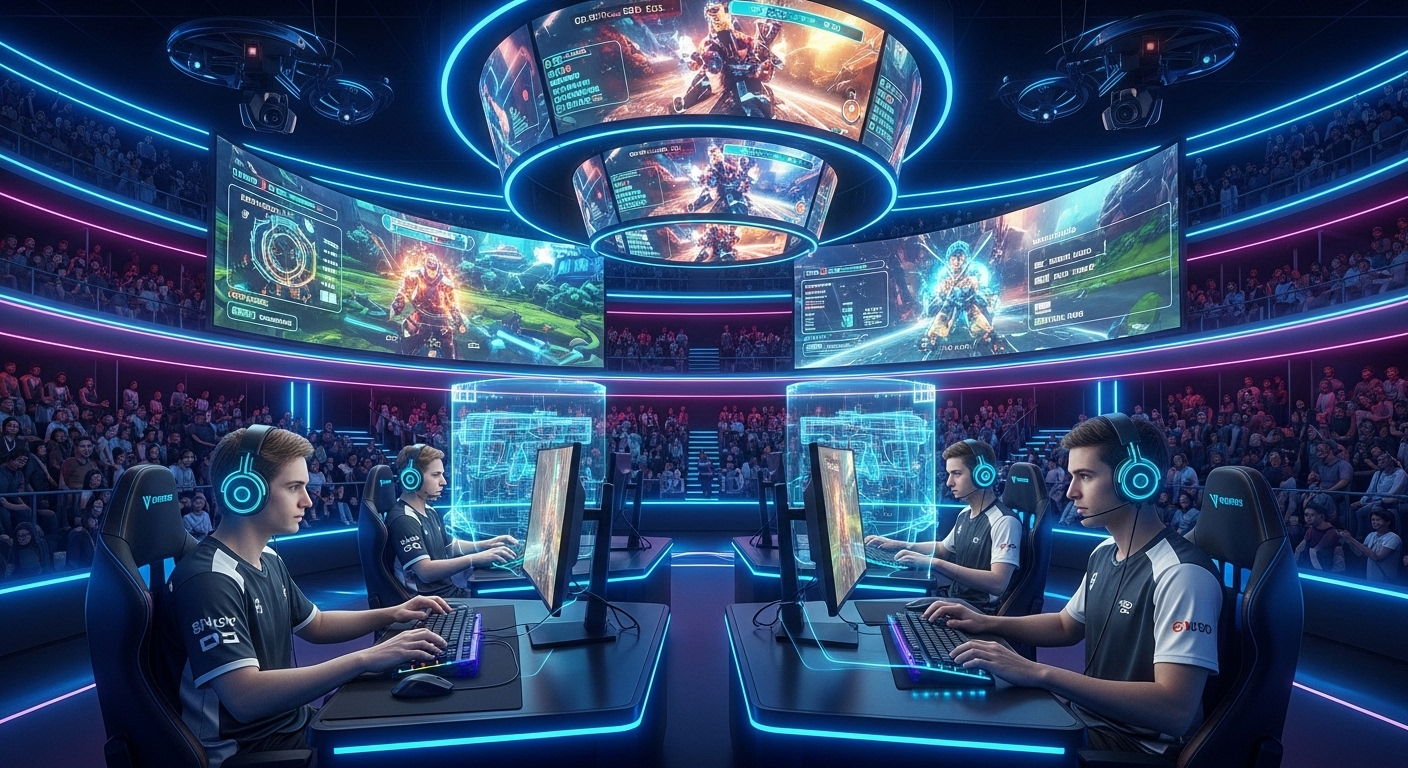
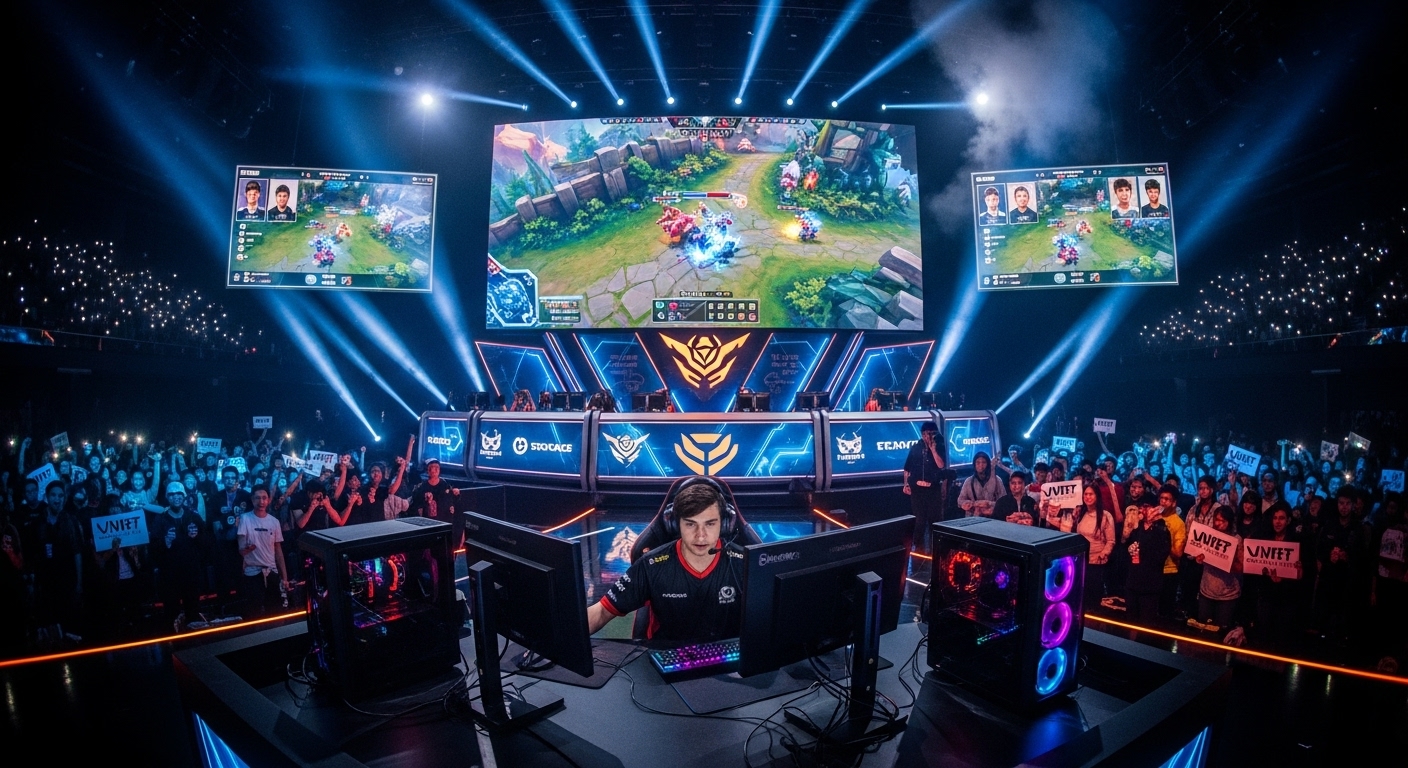
Over the last decade, esports has transformed from a niche hobby enjoyed by pockets of passionate gamers into one of the largest entertainment industries in the world. What was once considered a small corner of the digital universe has now evolved into a booming arena of professional competition, celebrity players, sold out stadiums, and millions of viewers tuning in from every continent. This blog explores the rise of esports, how it has reshaped global entertainment, the opportunities it brings, and what the future may look like for this rapidly expanding digital frontier.
The Early Roots of Competitive Gaming
Esports did not emerge overnight. Its roots trace back to the early age of arcades and computer tournaments where gamers competed for high scores and bragging rights. Titles like Space Invaders, Street Fighter, and early first person shooters sparked the first wave of competitive gaming culture. These competitions were small, often held in local gaming stores or university labs, but they created the foundation for the global phenomenon we know today.
As multiplayer games evolved, particularly with the rise of internet connectivity in the late 1990s and early 2000s, the competitive landscape began to shift. Players no longer had to gather physically to compete. Online communities exploded, creating new ecosystems of rivalry and cooperation. With this digital expansion, esports began to take shape as a formal concept, paving the way for organized tournaments and professional competition.
The Rise of Massively Popular Esports Titles
A major force behind the growth of esports is the emergence of influential game titles that captured the imagination of millions. Games like League of Legends, Dota 2, Counter Strike Global Offensive, Fortnite, and Valorant became more than entertainment. They developed into global sports with teams, leagues, and seasons.
Each of these games created its own culture and community, with players mastering unique skills, strategies, and team dynamics. Their developers supported the competitive scene with dedicated resources, ensuring that esports had the structure and professionalism required to grow. This gave players the chance to train, practice, and eventually perform at the highest levels.
How Streaming Platforms Transformed Esports
One of the key accelerators of esports was the rise of streaming platforms. These platforms allowed players to showcase their talent while giving fans around the world instant access to live events, commentary, and behind the scenes content. Streaming transformed esports from a local or regional activity into a global spectacle where anyone with an internet connection could participate as a viewer.
Unlike traditional sports, esports content is available around the clock. Players stream their practice sessions, interact with fans in real time, explain their strategies, and share their journeys. This level of accessibility has created deeper connections between professionals and their audiences. Fans feel like they are part of the growth and struggle of their favorite players, creating loyalty similar to what we see in traditional sports fandom.
The Professionalization of Esports
As esports grew, it began to adopt the structure and characteristics of traditional sports. Professional teams formed across the world, each backed by coaching staff, analysts, managers, and sponsors. Players started receiving salaries, accommodations, and benefits. Training facilities were built to help teams practice effectively and refine their strategies.
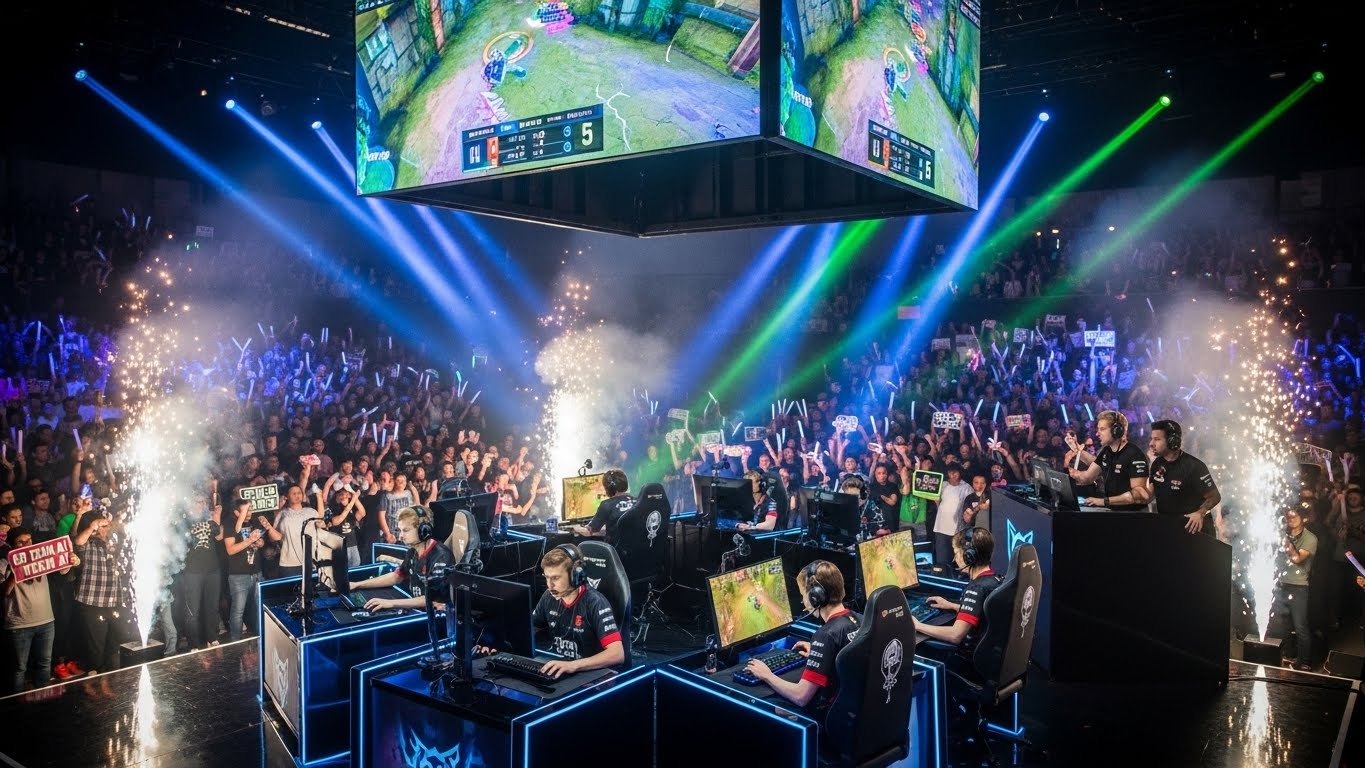
International tournaments emerged with prize pools reaching millions. The competitive scene became intense and highly organized, with qualifiers, leagues, playoffs, and world championships. The professionalization of esports did more than elevate the quality of competition. It created career opportunities for players, commentators, analysts, coaches, graphic designers, marketers, and even psychologists specialized in performance and mental health.
Esports and Global Entertainment Culture
Entertainment culture has been heavily influenced by the rise of esports. Gaming celebrities have millions of followers across social media platforms, and their influence rivals that of film stars, musicians, and athletes. Esports tournaments now fill arenas that once hosted famous concerts and sporting events. The digital and physical worlds have merged to create a hybrid culture where talent, content, and spectacle intersect.
Esports also blends multiple forms of entertainment. It mixes the excitement of live competition with storytelling, creativity, humor, and innovation. This diversity is a key reason younger generations gravitate toward esports. It offers fast paced action, interactive viewing, and the opportunity to join the community through playing, chatting, or even streaming.
The Economic Impact of Esports
The economic impact of esports is massive and continues to grow each year. Revenue flows from sponsorships, advertising, merchandise, media rights, ticket sales, and game publisher investments. Brands from various industries support esports as a way to connect with young and tech savvy audiences.
This economic expansion has led to the rise of esports organizations that operate like companies, complete with branding, marketing strategies, and international divisions. Cities are now hosting esports events that bring tourism, boost local business, and strengthen their status as digital cultural hubs.
Esports in Education and Youth Development
Beyond entertainment and economics, esports is making a surprising impact in education. Schools, colleges, and universities are recognizing the value of competitive gaming and establishing their own esports programs. Students receive scholarships, compete in national leagues, and gain experience in teamwork, leadership, problem solving, and communication.
These educational programs go beyond gaming. They introduce students to careers in game design, technology, broadcasting, and business. Esports is giving youth a modern platform to develop digital skills that are crucial in today’s workforce.
The Mental and Physical Demands of Competitive Gaming
Although esports is a digital activity, professional competition requires tremendous mental discipline and physical health. Players must react quickly, move with precision, make strategic decisions under pressure, and maintain focus for long durations. This demands training routines that include exercise, proper rest, nutrition, and mental health support.
Professional teams now employ physical trainers and psychologists to help players manage stress, improve performance, and avoid burnout. This support system is increasingly important as esports tournaments become more intense and frequent.
Challenges Facing the Esports Industry
Despite its rapid growth, esports faces several challenges. One of the biggest is ensuring long term sustainability for players. Careers in esports can be short due to the physical and mental demands of competitive gaming. Additionally, maintaining fairness in competitions, managing player contracts, and dealing with online toxicity are ongoing concerns.
Regulation and standardization are also areas where esports continues to evolve. Different games have different rules, and governing bodies vary widely across regions. Establishing consistent guidelines is important for the future integrity and stability of the industry.
The Future of Esports
The future of esports looks incredibly promising. As technology advances, we can expect more immersive gaming experiences through virtual reality, augmented reality, and enhanced digital environments. Esports may become more integrated with traditional sports, entertainment platforms, and cultural industries.
New games will rise to prominence, new stars will emerge, and global competitions will continue expanding. Esports will likely play a major role in shaping how future generations engage with entertainment, community, and digital creativity.
Conclusion
Esports is no longer just about playing games. It is a global movement that blends competition, entertainment, technology, and culture. From humble beginnings to stadium sized events, esports has proven its power to inspire millions, create opportunities, and transform the way the world experiences digital entertainment. As the industry continues to evolve, one thing is certain. The rise of esports has only just begun, and its impact on the global stage will continue to grow for many years to come.