Introduction: The Rise of a Digital Colosseum
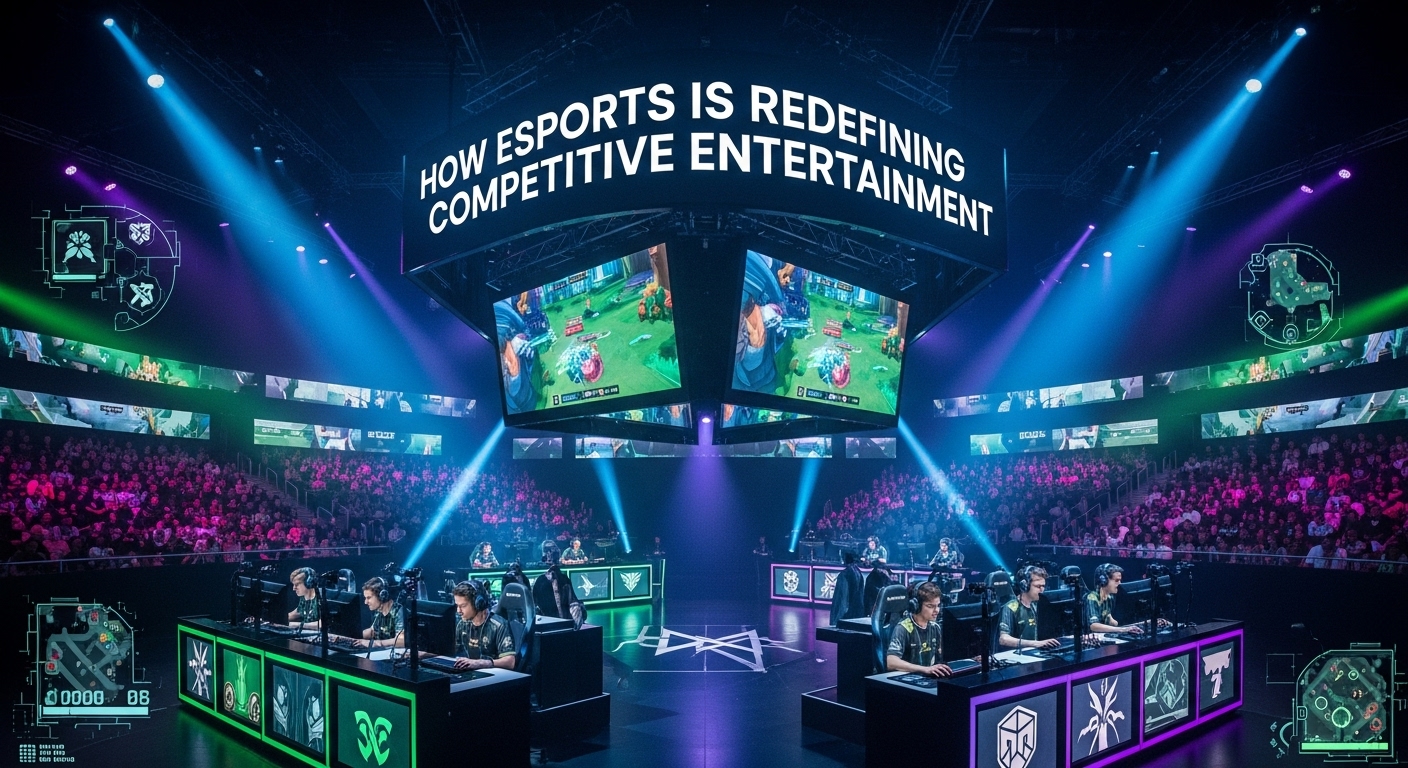
Esports, once dismissed as a niche hobby for teenagers, has evolved into a powerful global industry that rivals traditional sports in popularity, revenue, and cultural influence. Competitive gaming now fills stadiums, attracts millions of online viewers, and creates careers that were unimaginable just two decades ago. From professional players and coaches to analysts, content creators, and event organizers, esports has built an ecosystem that extends far beyond the screen. This blog explores how esports rose to prominence, what drives its massive appeal, and why it represents the future of competitive entertainment.
Understanding Esports: More Than Just Playing Games
Esports refers to organized, competitive video gaming where individuals or teams compete under structured rules, often in tournaments or leagues. Unlike casual gaming, esports demands rigorous training, strategic depth, teamwork, and mental resilience. Players practice for hours each day, analyzing gameplay, refining reflexes, and mastering complex mechanics. Popular esports titles span multiple genres, including multiplayer online battle arenas, first-person shooters, real-time strategy games, sports simulations, and battle royale formats. Each genre brings its own audience, strategies, and professional scene, contributing to the diversity of esports as a whole.
A Brief History: From Arcades to Arenas
The roots of esports can be traced back to the early days of arcade gaming, where high scores were a source of competition. As home consoles and personal computers became widespread, competitive gaming moved online, allowing players to challenge others across the world. Early tournaments were small and community-driven, but advancements in internet infrastructure and live-streaming technology transformed these events into global spectacles. Over time, prize pools grew, sponsors took notice, and professional organizations formed. What began as grassroots competition gradually matured into a structured industry with governance, contracts, and international recognition.
The Players: Athletes of the Digital Age
Professional esports players are often compared to traditional athletes, and the comparison is well deserved. While esports may not require physical endurance in the same way as football or athletics, it demands exceptional hand-eye coordination, reaction speed, strategic thinking, and emotional control. Top players must perform under intense pressure, often in front of millions of viewers. Their careers typically begin at a young age, with peak performance occurring earlier than in many traditional sports. As a result, discipline, health management, and long-term planning are crucial aspects of a player’s professional journey.
Teams and Organizations: Building Brands Beyond the Game
Esports teams are no longer just groups of skilled players; they are full-fledged organizations with branding, marketing strategies, and business operations. Teams recruit talent, hire coaches and analysts, and invest in player development. Many organizations operate across multiple games, expanding their reach and fan base. Merchandise, sponsorships, media content, and fan engagement initiatives are key revenue streams. These organizations function much like traditional sports franchises, cultivating loyalty and identity among supporters while competing at the highest levels.
Tournaments and Leagues: The Heart of Competition
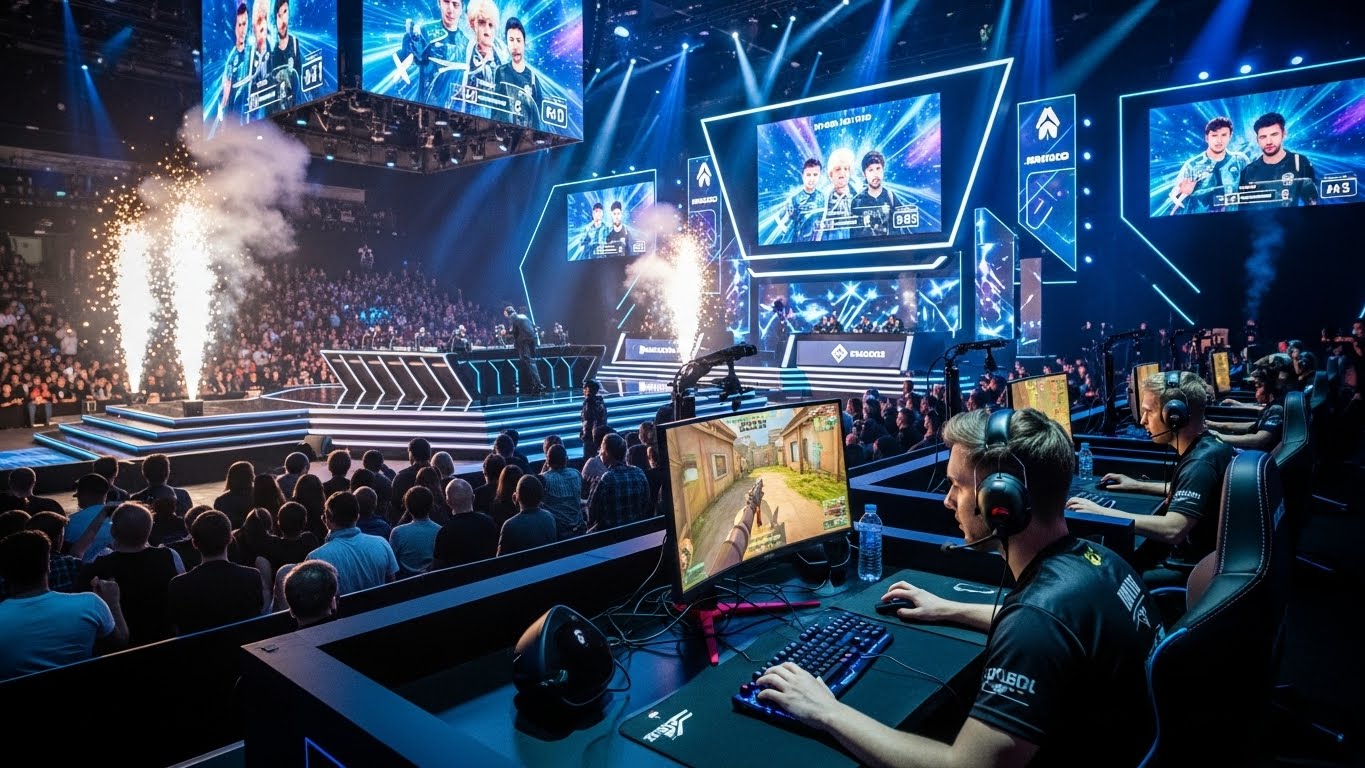
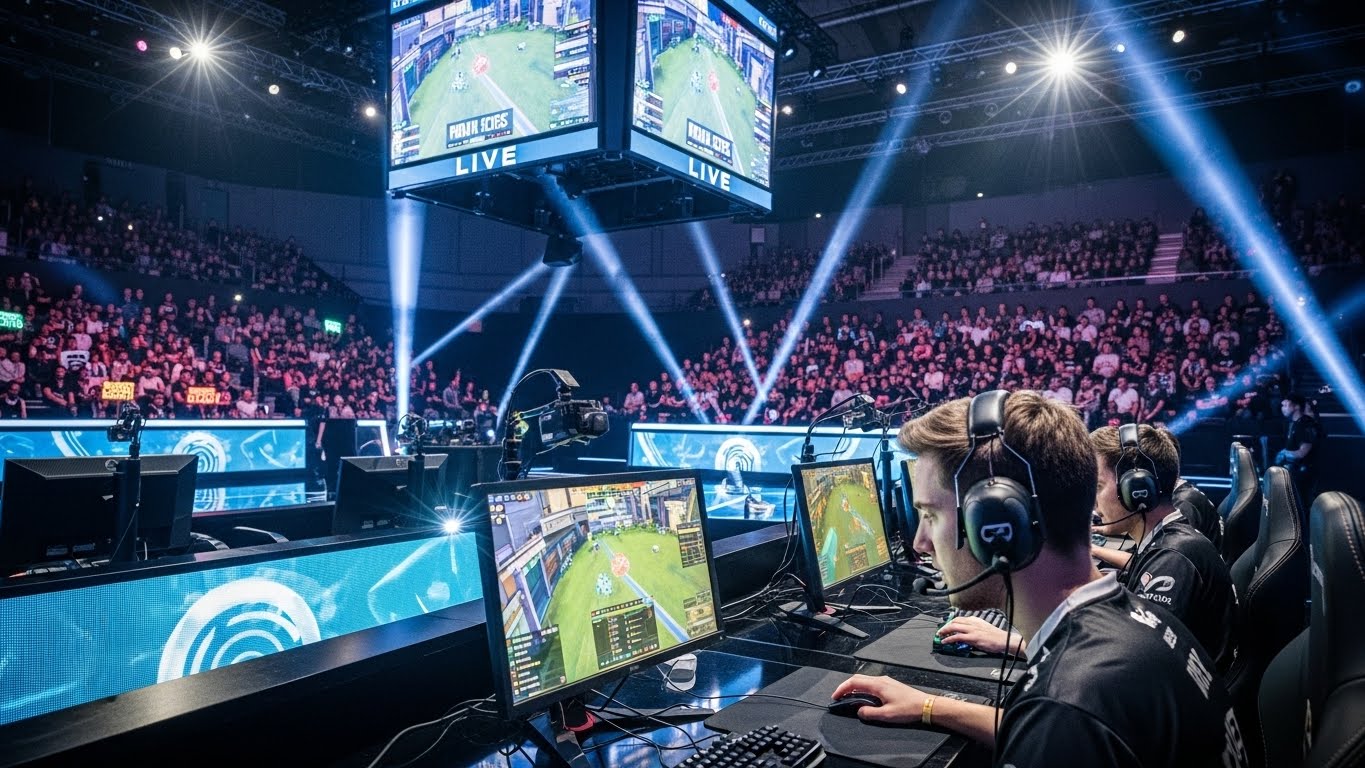
Competitive tournaments are the backbone of esports. These events range from local competitions to massive international championships with life-changing prize pools. Structured leagues provide consistency and stability, allowing teams to compete across seasons and build rivalries. The production quality of major esports events rivals that of traditional sports broadcasts, featuring professional commentators, analysts, and immersive visuals. Live audiences, both online and in physical venues, contribute to the electric atmosphere that defines esports competition.
The Role of Technology in Esports Growth
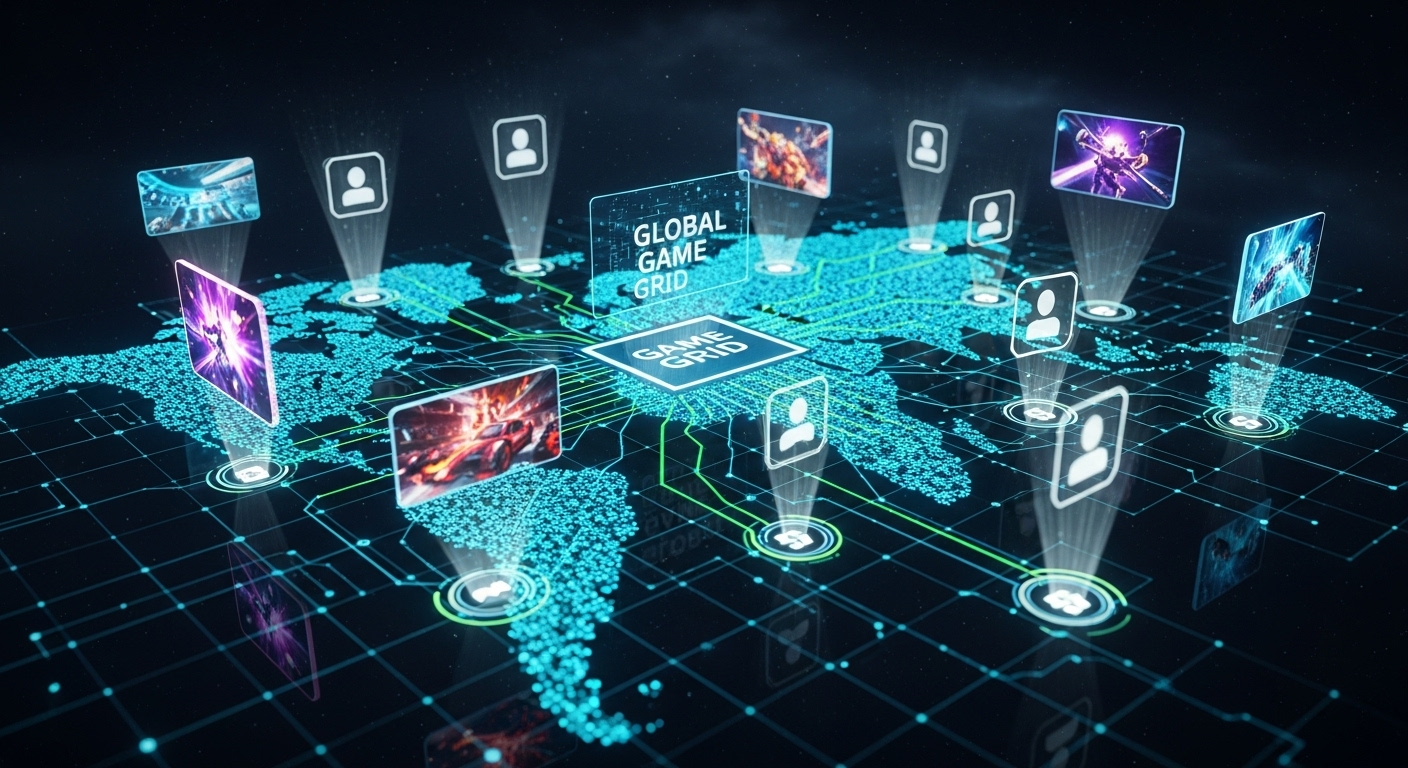
Technology has played a central role in shaping esports. High-speed internet enables seamless online competition, while streaming platforms allow fans to watch events in real time from anywhere in the world. Advances in gaming hardware, such as high-refresh-rate monitors and precision peripherals, enhance performance and viewer experience. Data analytics tools help teams analyze strategies and improve decision-making. Virtual reality and augmented reality are beginning to influence how esports events are presented, hinting at even more immersive experiences in the future.
Esports and Youth Culture: A New Generation of Fans
One of the defining features of esports is its deep connection with younger audiences. Many fans grew up playing the same games they now watch professionally, creating a strong sense of relatability. Esports reflects digital-native culture, blending gaming, social media, memes, and online communities. This cultural alignment has made esports especially attractive to brands seeking to connect with younger demographics. At the same time, it has reshaped how entertainment is consumed, favoring interactivity, accessibility, and global participation.
Education and Career Opportunities in Esports
As the esports industry expands, so do the career opportunities surrounding it. Beyond professional play, there are roles in coaching, event management, broadcasting, marketing, game design, and journalism. Educational institutions around the world have begun offering esports programs, scholarships, and dedicated facilities. These initiatives legitimize esports as a viable career path and provide structured pathways for students to enter the industry. The skills developed through esports, such as teamwork, strategic thinking, and digital literacy, are increasingly recognized as valuable in broader professional contexts.
Economic Impact: A Billion-Dollar Industry
Esports has become a significant economic force, generating revenue through sponsorships, advertising, media rights, ticket sales, and merchandise. Major brands from technology, automotive, fashion, and consumer goods industries have invested heavily in esports partnerships. Cities that host major tournaments benefit from tourism and global exposure. As the industry continues to grow, its economic footprint is expected to expand further, influencing related sectors such as entertainment, media, and technology.
Challenges Facing the Esports Industry
Despite its rapid growth, esports faces several challenges. Player burnout, career longevity, and mental health are ongoing concerns due to intense training schedules and competitive pressure. Regulatory issues, including player contracts, tournament governance, and competitive integrity, require consistent oversight. Inclusivity and diversity remain areas for improvement, as the industry works to create welcoming spaces for players and fans of all backgrounds. Addressing these challenges is essential for the sustainable development of esports.
Esports and Traditional Sports: Competition or Collaboration
Rather than replacing traditional sports, esports often complements them. Many traditional sports organizations and athletes have invested in esports teams or events, recognizing the shared principles of competition and fandom. Hybrid events, where esports competitions are hosted alongside traditional sports tournaments, highlight the potential for collaboration. This relationship demonstrates that esports is not an opposing force but an evolution of how competition and entertainment can coexist in the modern era.
The Future of Esports: What Lies Ahead
The future of esports is filled with possibilities. Continued technological innovation will enhance gameplay, broadcasting, and fan engagement. Greater institutional support, including standardized regulations and player welfare initiatives, will strengthen the industry’s foundation. As esports becomes more mainstream, its cultural influence will continue to grow, shaping how people around the world perceive competition, entertainment, and community. The line between digital and physical sports may blur further, creating new hybrid experiences that redefine what it means to be a spectator or competitor.
Conclusion: A New Chapter in Global Competition
Esports represents a fundamental shift in how competition is created, consumed, and celebrated. What started as friendly rivalry among gamers has transformed into a global phenomenon that connects millions of people across cultures and continents. With its blend of skill, strategy, technology, and community, esports has earned its place on the world stage. As it continues to evolve, esports is not just changing the gaming industry; it is redefining the very concept of sport for the digital age.