Introduction: From Hobby to Global Phenomenon
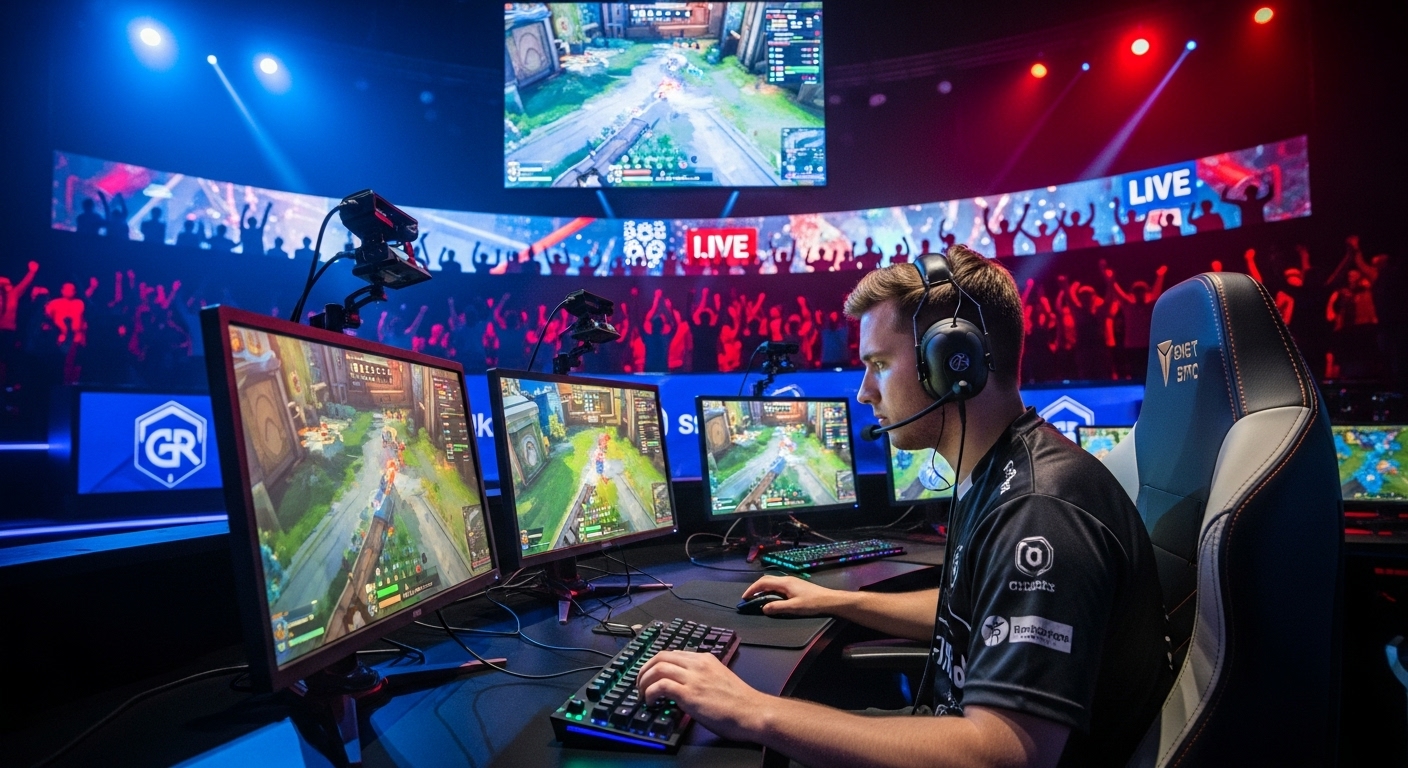
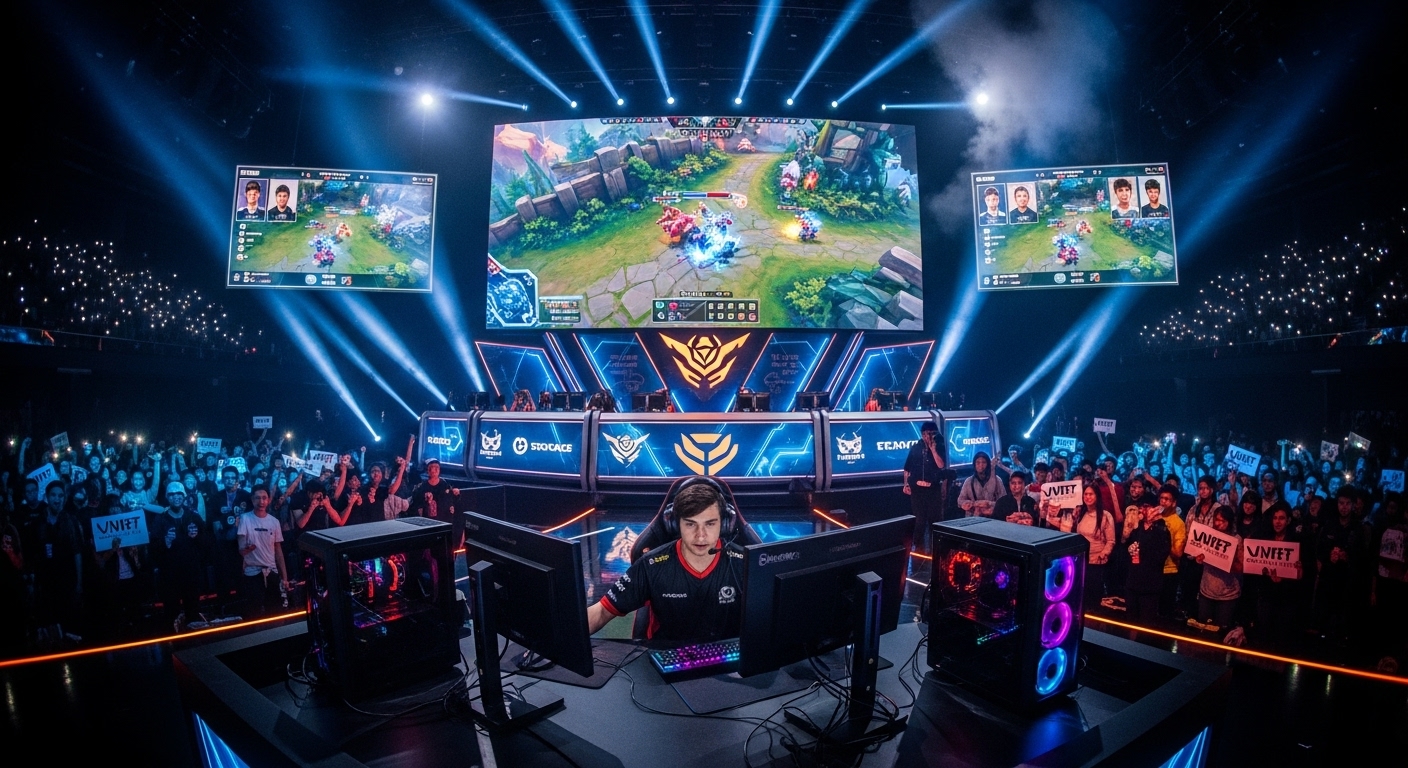
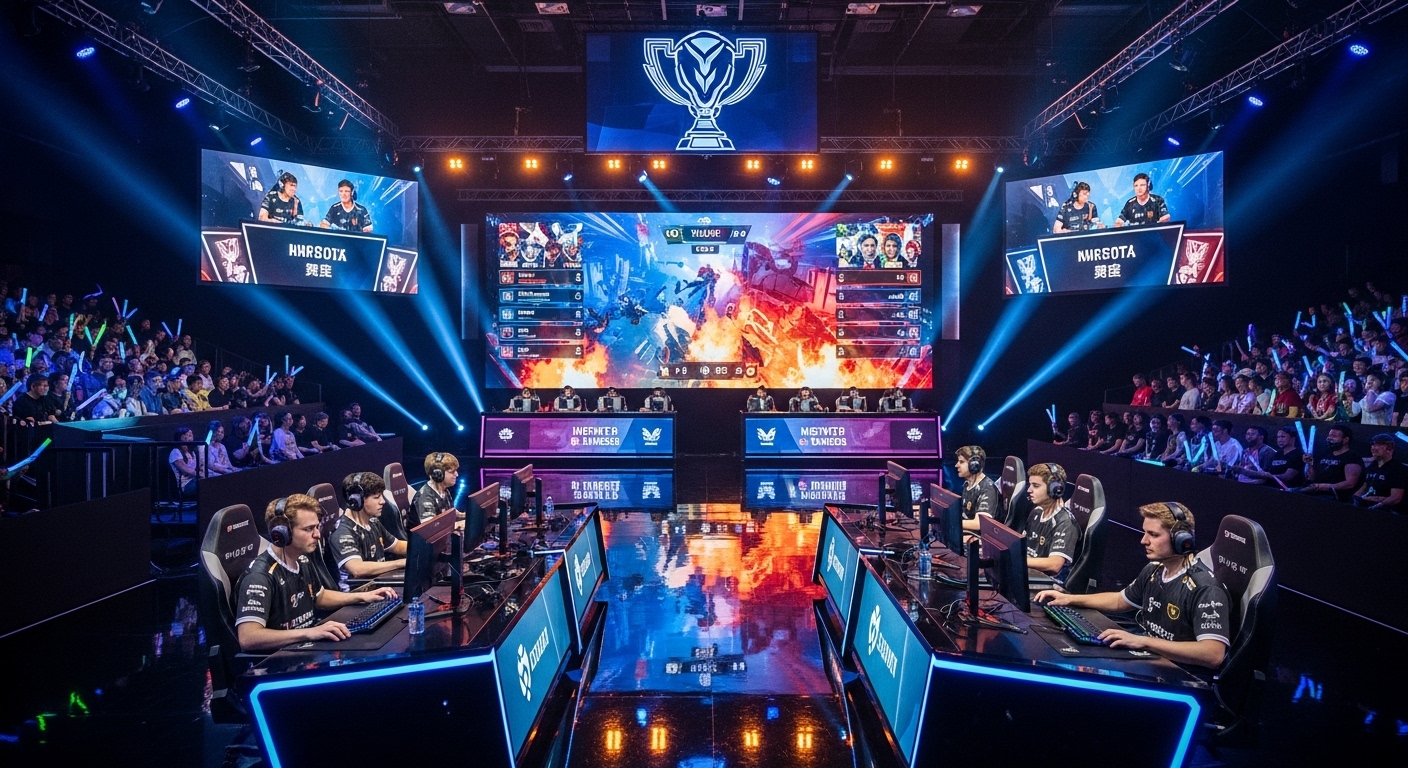
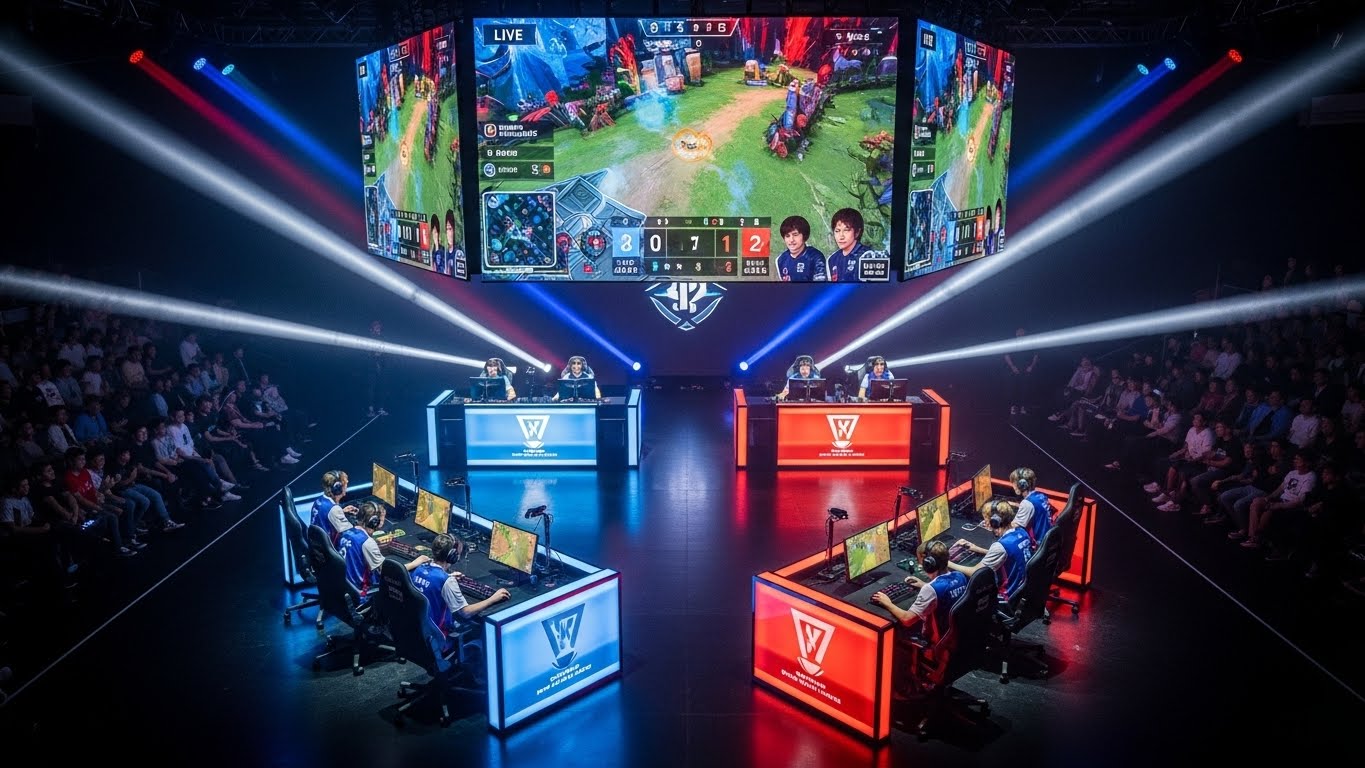
Esports has emerged as one of the most influential and fast-growing sectors in modern entertainment. What began as a casual pastime, where players competed in arcades or small gatherings, has now evolved into a global industry that rivals traditional sports in popularity, revenue, and cultural impact. Professional leagues, international tournaments, and millions of fans around the world have turned competitive gaming into a major entertainment spectacle. Beyond the flashy tournaments and massive prize pools, esports represents a fundamental shift in how people engage with competition, media, and technology.
The Evolution of Competitive Gaming
Competitive gaming has a surprisingly long history. In the 1970s and 1980s, arcades hosted competitions for games like Space Invaders and Pac-Man. Players were celebrated for high scores and skill, laying the foundation for organized gaming culture. The 1990s brought the rise of personal computers and networked gaming, allowing players to compete online across cities and eventually countries. Titles such as Quake, StarCraft, and Counter-Strike became early benchmarks of esports, providing platforms for both casual competition and organized tournaments.
The advent of the internet transformed gaming from a local hobby into a global phenomenon. With online multiplayer games, players could join virtual leagues, participate in tournaments, and stream matches to audiences worldwide. This accessibility helped esports grow into a professional, structured industry with clearly defined roles for players, coaches, organizers, and broadcasters.
Why Esports Captivates Audiences
Esports appeals to a wide range of audiences because it combines skill, strategy, and entertainment in a unique way. Unlike traditional sports, the barriers to entry are lower. Anyone with a computer, console, or mobile device and a reliable internet connection can participate in competitive gaming. This inclusivity allows for global participation and draws diverse audiences from different cultures and backgrounds.
The excitement of esports comes from unpredictability, rapid decision-making, and team coordination. Fans enjoy watching players adapt strategies in real-time, make split-second decisions, and demonstrate exceptional skill. Furthermore, the personalities behind the players—their stories, rivalries, and charisma—add a human element that strengthens fan loyalty and community engagement.
The Professional Esports Ecosystem
The growth of esports has created a sophisticated ecosystem that mirrors traditional sports. Professional players dedicate hours each day to practice, analyze game strategies, and refine teamwork. Teams hire coaches, analysts, nutritionists, and sports psychologists to ensure players maintain peak performance. This level of professionalism has transformed gaming into a serious career path rather than just a hobby.
Tournaments are central to this ecosystem. Global competitions attract millions of viewers and offer substantial prize pools, sometimes reaching millions of dollars. Events are broadcast with high production value, including live commentary, detailed graphics, and storylines that heighten the drama of the matches. Sponsorship deals, merchandise, and brand collaborations further fuel the industry, making it both lucrative and sustainable.
Esports as a Career
Esports has opened diverse career opportunities beyond professional play. Educational institutions have begun offering scholarships and programs focusing on esports, covering areas such as game design, broadcasting, event management, marketing, and team management. Students with an interest in gaming can now pursue careers in multiple facets of the industry, turning passion into profession.
The roles in esports are varied and numerous. Beyond players, there are content creators, analysts, coaches, event organizers, social media managers, production teams, and marketing professionals. Each contributes to the growth of esports while offering opportunities for those who are skilled, creative, and motivated to work in a technology-driven environment.
The Cultural Impact of Esports
Esports has grown into a cultural phenomenon influencing music, fashion, media, and even traditional sports. Popular artists collaborate with game developers to create in-game events and soundtracks, while fashion brands release merchandise inspired by gaming culture. Sports organizations also invest in esports teams, recognizing the industry’s appeal to younger audiences.
Community interaction plays a key role in the cultural significance of esports. Fans engage with players through live streams, social media, and forums, sharing strategies, fan art, and experiences. This creates a participatory culture where audiences feel connected to the games and players, making esports a dynamic social phenomenon rather than a passive form of entertainment.
Mental and Physical Demands of Competitive Gaming
Competitive gaming requires more than hand-eye coordination; it demands mental acuity, strategic thinking, and emotional resilience. Players must adapt quickly, anticipate opponents’ moves, communicate effectively with teammates, and maintain focus under pressure. Success depends on consistent practice, analysis, and mental preparation.
Physical health is also vital for professional players. Long hours of practice can lead to repetitive strain injuries, posture problems, and fatigue. Many teams employ physical trainers, nutritionists, and therapists to ensure players maintain both mental and physical wellness. These efforts highlight the dedication required to excel in esports, proving it demands discipline similar to traditional sports.
Challenges Facing Esports
Despite its rapid growth, esports faces significant challenges. Player burnout is common due to demanding schedules, intense competition, and high expectations. Maintaining mental health and creating a supportive environment are crucial for long-term success.
The industry also faces regulatory challenges, including maintaining competitive integrity, preventing cheating, and protecting players from exploitation. As the audience grows younger, promoting responsible gaming habits and balancing screen time with overall well-being has become increasingly important. Addressing these issues is vital for sustaining growth and legitimacy in the global entertainment market.
Technological Innovations Driving Esports
Technology drives every aspect of esports, from gameplay to broadcasting. Streaming platforms have transformed how audiences consume esports, making events accessible to millions worldwide. Virtual reality and augmented reality are beginning to redefine interactive experiences, while cloud gaming allows players to compete without high-end hardware.
Artificial intelligence and analytics are also reshaping the industry. Teams use data to improve strategies, analyze opponents, and optimize training schedules. Viewers benefit from enhanced visual experiences, live statistics, and interactive features, which create a more immersive and engaging experience. Continuous technological innovation ensures esports remains at the forefront of modern entertainment.
Economic Impact of Esports
Esports contributes significantly to the global economy. Revenue streams include sponsorships, advertising, digital content, event ticket sales, and merchandise. International tournaments drive tourism, promote local businesses, and provide media exposure for host cities.
Brands see esports as an opportunity to reach younger, digitally connected audiences. Collaborations with games, teams, and influencers create marketing campaigns that engage audiences in ways traditional advertising cannot. The industry’s economic influence extends beyond gaming, touching technology, media, education, and retail, solidifying its role as a major economic driver.
The Global Esports Community
At the heart of esports is its passionate community. Fans actively participate by watching streams, creating content, engaging in discussions, and supporting their favorite players. This active involvement creates a strong sense of belonging and connection among fans worldwide.
Esports fosters cross-cultural interaction, bringing together players and fans from diverse backgrounds. Shared passion for games transcends language and geography, proving that competition and creativity can unite people globally. The community plays a vital role in shaping the industry, providing feedback, influencing trends, and ensuring esports remains inclusive and dynamic.
The Future of Esports
The future of esports is bright, with opportunities for growth and innovation. As mainstream acceptance increases, more institutions, sponsors, and audiences will engage with esports. Technological advancements, including virtual and augmented reality, cloud gaming, and AI-driven analytics, will enhance both participation and spectating.
Educational programs will continue to cultivate talent, creating professionals in game development, broadcasting, management, and event production. Esports will increasingly intersect with other industries, including music, fashion, and traditional sports, creating hybrid experiences that expand its cultural footprint.
Esports is more than just gaming; it is a reflection of the digital age. It embodies creativity, strategy, community, and competition, shaping the way future generations experience entertainment and interact with technology.
Conclusion: Esports as a Transformative Force
Esports has fundamentally changed the landscape of entertainment. From small competitions in arcades to global tournaments with millions of viewers, it has become a powerful cultural and economic phenomenon. Its influence reaches beyond gaming, impacting education, media, technology, and commerce.
The rise of esports demonstrates the potential of digital platforms to create global communities, professional opportunities, and immersive entertainment experiences. With ongoing innovation, expanding participation, and growing recognition, esports is poised to remain a dominant force in the entertainment world for decades to come. It is not just a pastime or a trend; it is a transformative movement that continues to redefine what competition and entertainment can be in the digital era.