Introduction: The Digital Revolution of Competitive Gaming
Esports, short for electronic sports, has emerged from niche hobby status to become a global entertainment phenomenon. What once started as casual gaming in bedrooms and small internet cafés has transformed into multi-million-dollar tournaments, professional leagues, and worldwide communities. The growth of esports is not just about video games; it reflects broader trends in technology, culture, and global connectivity. Today, millions of fans watch, participate, and engage with esports in ways similar to traditional sports, creating a unique form of digital competition and entertainment.
The Evolution of Esports: From Arcades to Online Arenas
Competitive gaming has a long history, beginning with arcade machines where players competed for high scores. The late 1990s and early 2000s marked the birth of modern esports with games like StarCraft, Counter-Strike, and Warcraft III. These games allowed players to compete on a global scale thanks to improved internet speeds and multiplayer connectivity.
The real transformation occurred with online streaming platforms, which allowed fans to watch live matches from anywhere in the world. Suddenly, esports was no longer limited to in-person events. Streaming brought players and fans together, fostering international communities and establishing esports as a spectator sport.
Why Esports Captivates Audiences Worldwide
Esports appeals to millions for several reasons. First, it aligns with the digital habits of younger generations who have grown up online. Gaming is not only about playing but also about watching and learning from others. Platforms allow fans to watch competitions, interact with players, and analyze strategies, creating a deeply engaging experience.
Second, esports is highly interactive. Unlike traditional sports, fans can participate directly through online matches, amateur leagues, or virtual communities. They can share opinions, create content, and connect with other fans, making esports an immersive and participatory experience.
Third, esports delivers excitement similar to traditional sports. High-stakes matches, rapid decision-making, and strategic gameplay provide thrilling entertainment. The personalities of players also contribute to the appeal, as many stream their practice sessions, engage with fans online, and share their personal journeys, creating a sense of intimacy and connection.
Professionalization of Esports: The Rise of Digital Athletes
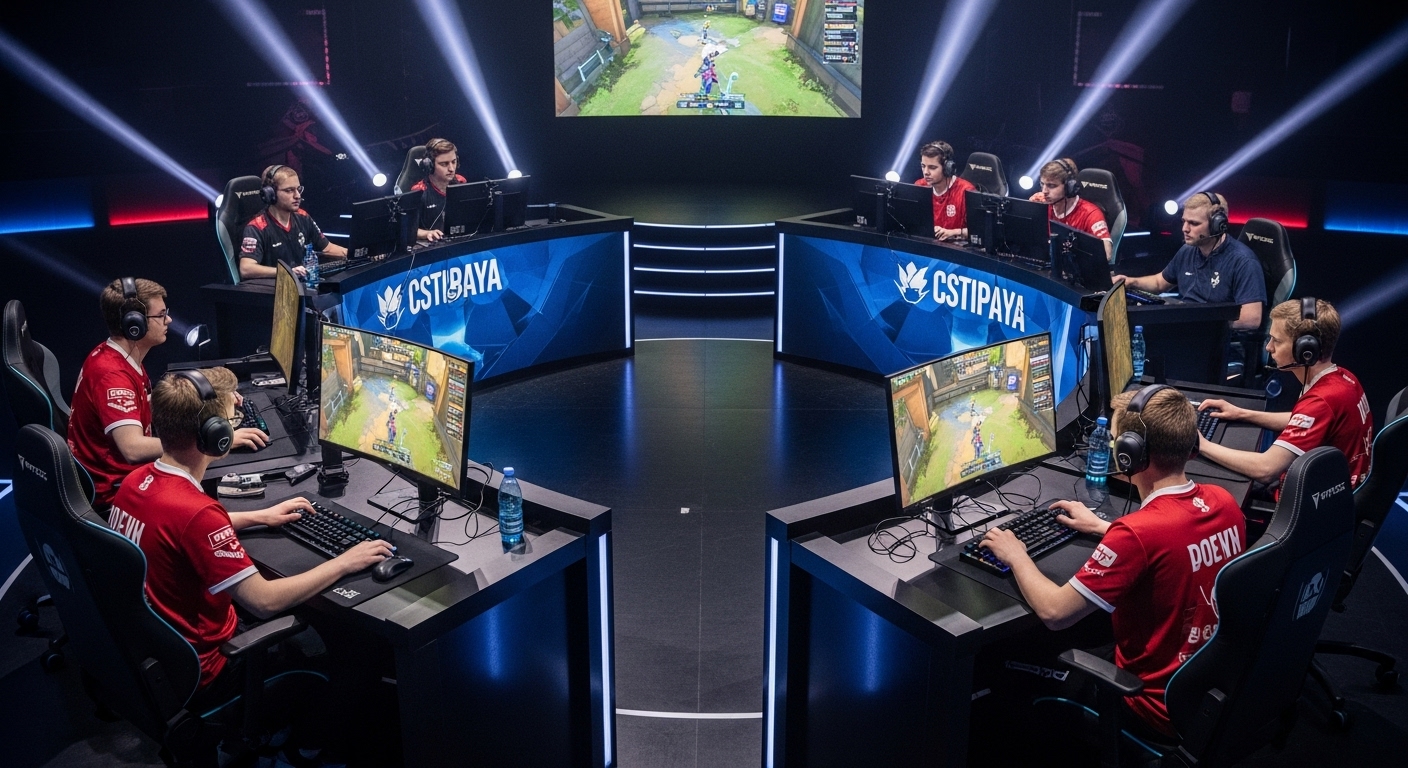
As esports grew, it developed a professional ecosystem similar to traditional sports. Teams now employ coaches, analysts, nutritionists, and mental performance experts. Training is rigorous, with players practicing for hours each day to maintain peak performance. Professional facilities equipped with high-performance computers, collaborative spaces, and strategy rooms have become standard.
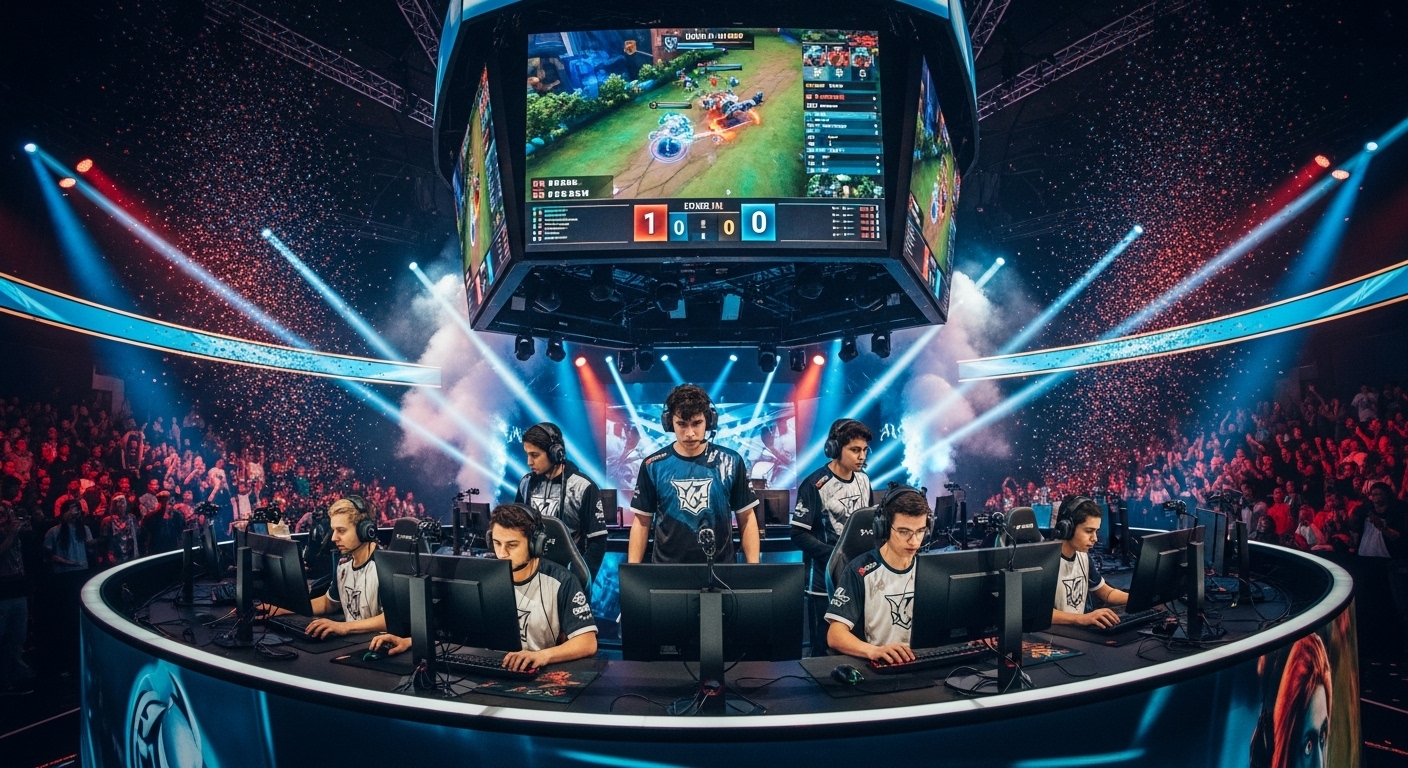
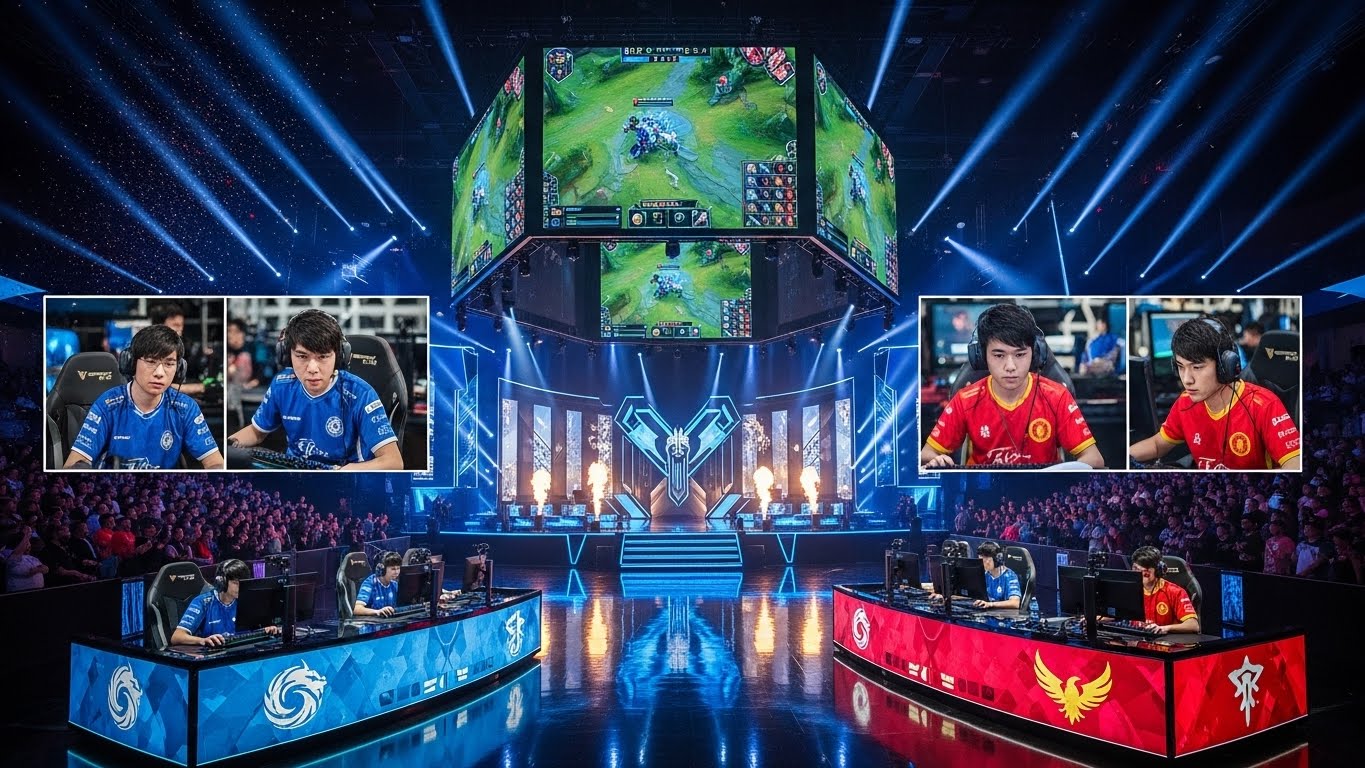
Broadcasting quality has also improved significantly. Matches are commentated by experienced casters, analyzed in real-time, and presented with professional graphics, replays, and insights. Major tournaments fill stadiums with fans, lights, and entertainment, creating an immersive experience akin to live concerts or sports events.
Educational institutions have recognized the value of esports as well. Many universities offer esports programs, scholarships, and courses in game strategy, management, and digital marketing, further legitimizing the field as a professional career path.
Popular Esports Genres and Their Communities
Esports is not limited to one type of game. Each genre attracts unique communities and strategies. Multiplayer Online Battle Arena games require teamwork, strategic planning, and hero selection. Tactical shooters emphasize precision, communication, and rapid decision-making. Fighting games test reflexes and control mastery, while sports simulations replicate traditional sports in a digital environment. Battle royale games blend strategy, survival, and combat in high-intensity competition.
These diverse genres allow esports to reach a broad audience. Fans can enjoy fast-paced action, tactical strategy, or both. Each game fosters a dedicated community, creating social bonds and shared identities among fans worldwide.
The Business of Esports: Turning Passion into Profit
The esports industry has become a thriving business ecosystem. Revenue streams include sponsorships, merchandise sales, media rights, ticket sales, and advertising. Major corporations recognize the marketing potential of esports and invest heavily in tournaments, teams, and streaming platforms.
Professional players benefit from salaries, tournament winnings, and sponsorships. Some players achieve celebrity status comparable to traditional athletes. Teams operate like professional franchises, with dedicated marketing, branding, and fan engagement strategies. Content creation and streaming provide additional income streams, allowing players and influencers to connect with fans while generating revenue.
Cultural Impact: Redefining Entertainment and Social Connection
Esports has reshaped global culture. It has introduced new language, influenced fashion trends, and integrated with music, art, and entertainment. Major tournaments now include live performances, interactive experiences, and fan events, making them more than just competitions.
The rise of esports has also challenged traditional perceptions of gaming. It demonstrates that video games can promote skills such as teamwork, strategic thinking, communication, and discipline. Communities built around esports are diverse and inclusive, bringing together people from different backgrounds to celebrate shared passions.
The Role of Community in Esports Growth
Community is the lifeblood of esports. Fans participate through live chats, discussion forums, fan art, and content creation. Unlike traditional sports, where fans are mostly passive, esports encourages direct engagement, creating a dynamic and interactive ecosystem.
Communities foster social connections across borders, uniting fans globally. They celebrate achievements, share knowledge, and support newcomers, ensuring that esports continues to grow and evolve. This sense of belonging enhances the overall experience and strengthens loyalty to teams and players.
Technological Innovation Driving Esports Forward
Technology plays a pivotal role in esports growth. High-speed internet, streaming platforms, and advanced gaming hardware make global competition possible. Virtual reality and augmented reality are beginning to create new immersive experiences, allowing fans to interact with games in innovative ways.
Artificial intelligence and data analytics enhance both gameplay and broadcasting. Players can study opponents’ strategies, while commentators can provide deeper insights for fans. Technology ensures that esports remains dynamic, competitive, and continually evolving.
The Future of Esports: Opportunities and Challenges
Esports is poised for continued growth. Mobile gaming, cross-platform competitions, and immersive technologies will expand the audience. Educational programs, governmental recognition, and professionalization will provide stability and legitimacy. Media coverage and mainstream exposure will continue to increase, bringing esports into broader cultural awareness.
However, challenges remain. Mental and physical health of players, sustainability of professional careers, and maintaining community engagement in a rapidly changing landscape are critical areas for attention. Addressing these issues will ensure long-term growth and credibility for esports as a global phenomenon.
Conclusion: More Than Just a Game
Esports has transformed from a niche hobby into a major cultural, social, and economic force. It blends competition, entertainment, technology, and community in ways that traditional sports cannot. For players, it offers careers and recognition. For fans, it provides excitement, engagement, and belonging.
The story of esports is far from over. As technology advances, audiences grow, and communities expand, esports will continue to redefine how people play, watch, and connect. It is more than just a game; it is a digital revolution shaping the future of global entertainment.