Introduction: The Rise of Esports
Over the past two decades, esports has evolved from casual gaming competitions into a global phenomenon. What was once considered a niche hobby has become a multi-billion-dollar industry, attracting millions of players, fans, and sponsors worldwide. Esports encompasses professional tournaments, online streaming, competitive leagues, and an ever-growing fanbase that rivals traditional sports. The growth of esports reflects a cultural shift in how society views gaming. Today, it is not just a form of entertainment; it is a legitimate career path, a social platform, and a testament to the power of digital innovation.
The Evolution of Competitive Gaming
The roots of esports trace back to early arcade competitions and local gaming tournaments. Iconic games such as Street Fighter, StarCraft, and Counter-Strike played a pivotal role in shaping competitive gaming communities. With the rise of the internet, online multiplayer games allowed players from across the globe to compete, giving rise to international tournaments and leagues. The evolution of esports has been fueled by advances in technology, faster internet, and immersive gaming experiences, turning casual gaming into a highly competitive sport.
The Structure of Esports Tournaments
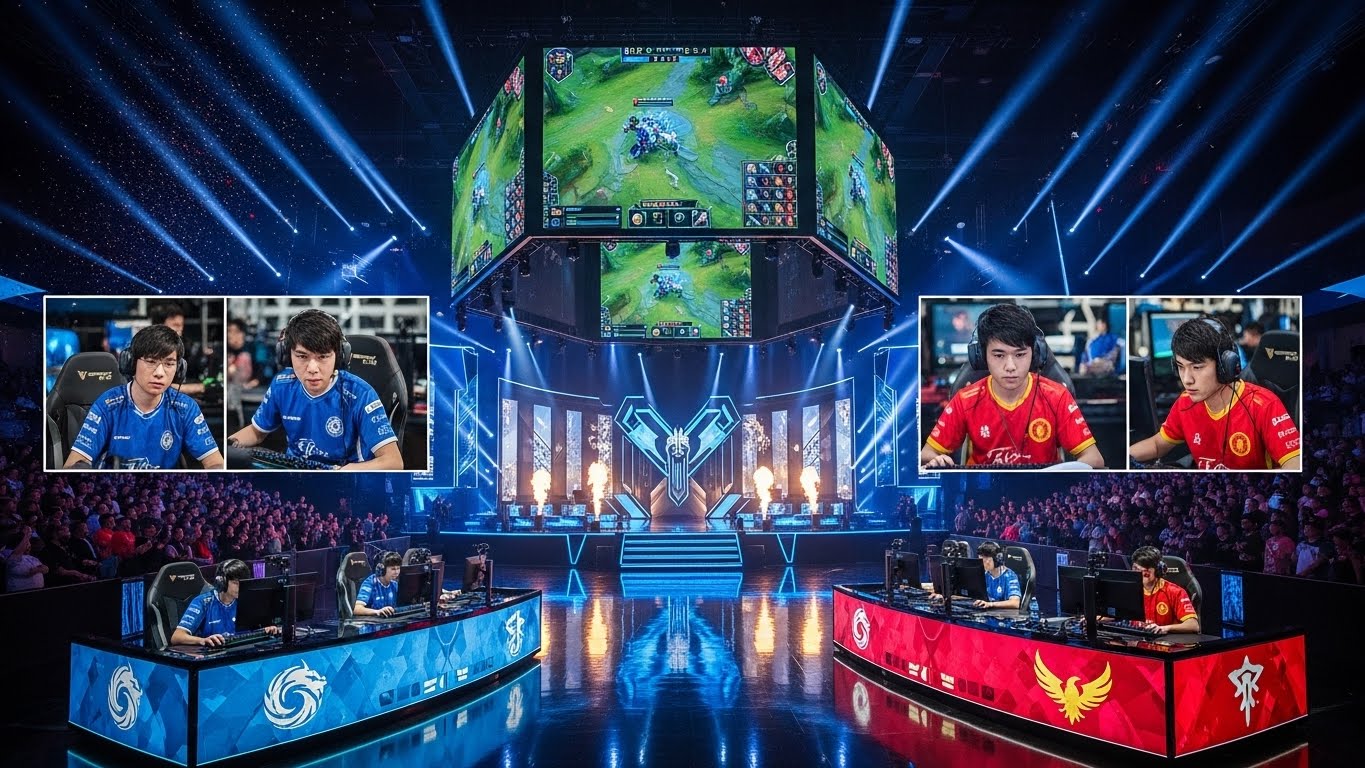
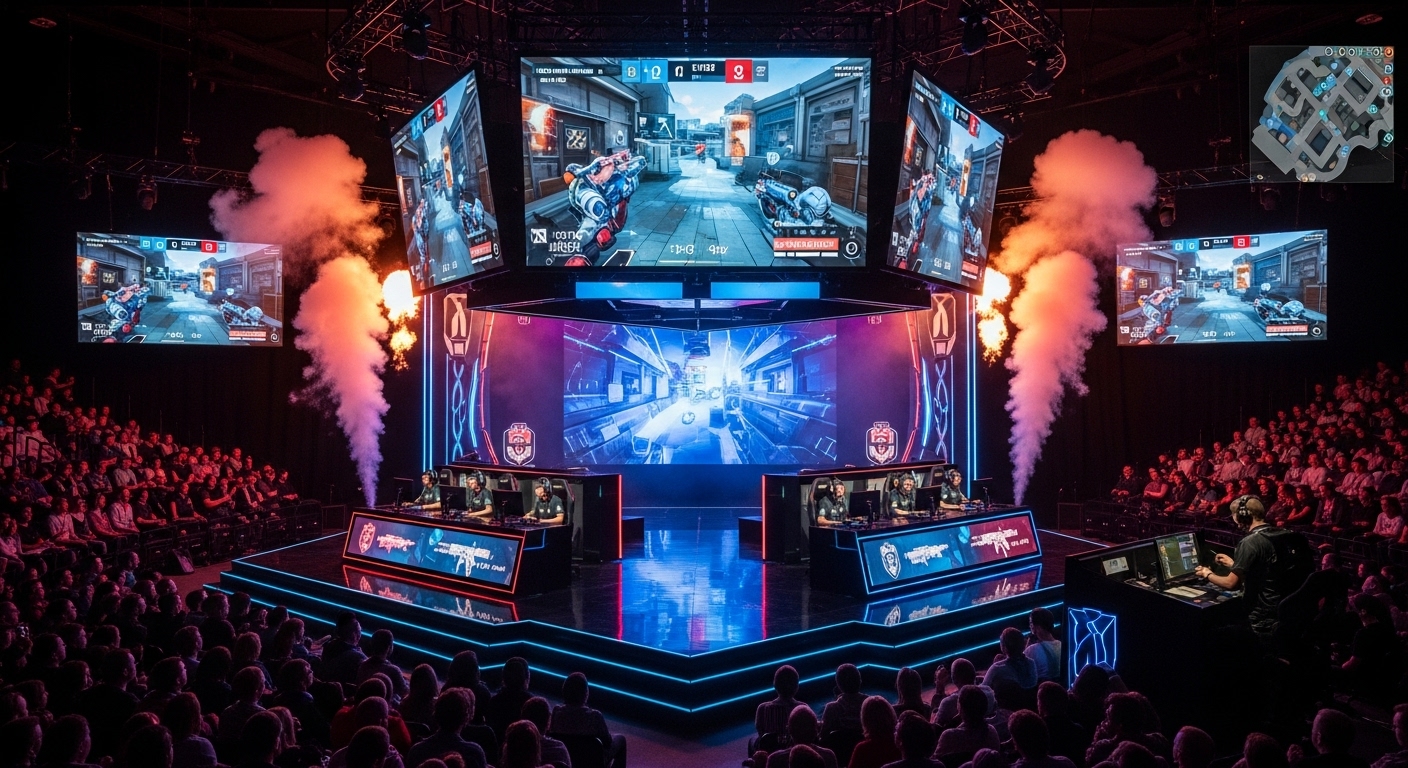
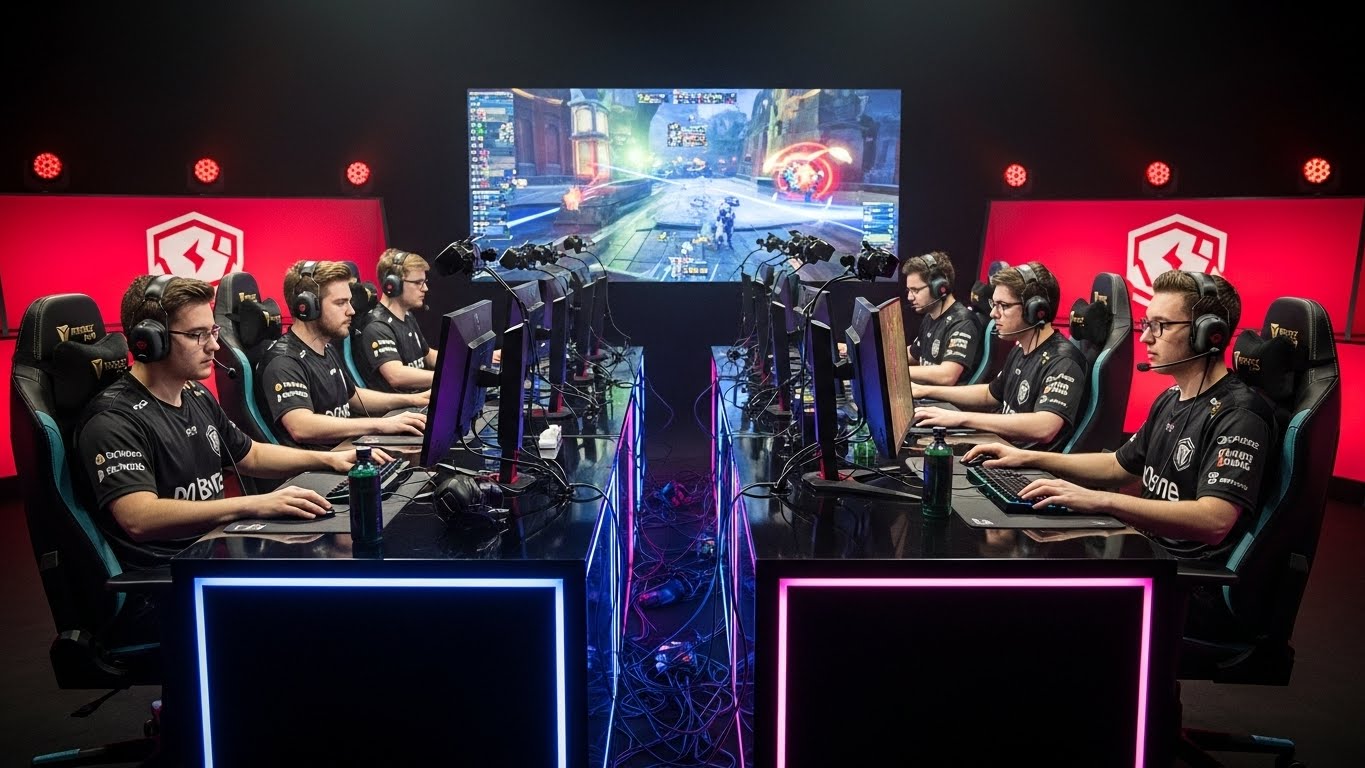
Esports tournaments today are highly organized events that often mirror traditional sports leagues. They range from local competitions to international championships offering millions in prize money. Games like League of Legends, Dota 2, and Fortnite host annual global tournaments that attract massive audiences, both online and in-person. Teams operate like professional organizations, employing coaches, analysts, and managers to optimize performance. Players train rigorously, often dedicating hours to strategy, reflex training, and teamwork. The competitive environment demands mental toughness, adaptability, and consistency, making professional esports both challenging and rewarding.
The Role of Streaming Platforms
Streaming platforms have been a game-changer for esports, allowing fans to watch live tournaments, interact with players, and engage with communities. Platforms like Twitch and YouTube Gaming provide a space for players to showcase their skills while building personal brands. Beyond competitions, streaming allows players to create content, share experiences, and monetize their presence through subscriptions and sponsorships. The accessibility of streaming has transformed esports into a spectator-driven industry, connecting millions of fans worldwide in real-time.
Esports as a Career Path
The professionalization of esports has created viable career opportunities for skilled gamers. Players can earn income through tournament winnings, sponsorships, team salaries, and content creation. But esports careers extend beyond playing. Analysts, coaches, commentators, tournament organizers, and marketing professionals contribute to a thriving ecosystem. Educational institutions are beginning to recognize esports as a legitimate discipline, offering scholarships and structured programs that prepare students for careers in gaming, technology, and digital media.
Economic Impact of Esports
Esports has become a major economic force. Revenue streams include tournament prize pools, advertising, sponsorship deals, merchandise, and media rights. The industry also drives growth in technology sectors such as gaming hardware, software development, and broadcasting. Cities hosting major esports events see increased tourism, hotel bookings, and local business engagement. Esports has proven to be a profitable and sustainable industry, attracting investment from traditional sports organizations, media companies, and global brands.
Psychological and Social Dimensions
Competitive gaming requires more than just skill; it demands mental resilience, strategic thinking, and teamwork. Players must manage stress, maintain focus, and adapt quickly to dynamic gameplay scenarios. On a social level, esports fosters vibrant communities where fans and players connect over shared interests. Online forums, fan groups, and social media create a sense of belonging and global connectivity. While esports offers psychological and social benefits, it also presents challenges such as burnout, excessive screen time, and performance pressure, which must be carefully managed.
Technology Driving Esports Forward
Esports thrives on technological innovation. High-performance gaming PCs, consoles, peripherals, and ultra-fast internet are essential for professional gameplay. Advances in virtual reality, augmented reality, and cloud gaming are set to redefine how players and audiences experience competitive gaming. Game developers continuously update titles to maintain competitiveness and engagement. Analytical tools help players track performance, optimize strategies, and identify areas for improvement, transforming esports into a highly data-driven and tech-intensive industry.
Cultural Influence of Esports
Esports is not just a digital sport; it is a cultural movement. Professional players have become celebrities, influencing fashion, music, and online content trends. Tournaments often feature elaborate production, live performances, and fan engagement activities, blending entertainment with competition. The widespread acceptance of esports challenges traditional stereotypes about gaming and highlights the creativity, skill, and strategy involved. For many, esports represents a new form of storytelling and community-building that transcends geographical and social boundaries.
Esports in Education
Educational institutions are embracing esports as a tool for learning and engagement. Universities and schools offer programs in game design, broadcasting, and team management. Students participating in esports develop critical skills such as communication, problem-solving, and leadership. Some institutions even provide scholarships for competitive players, recognizing esports as a pathway to personal and professional development. Integrating esports into education prepares students for careers in technology, digital media, and entertainment, bridging the gap between academic knowledge and real-world application.
Challenges Facing Esports
Despite its rapid growth, esports faces several challenges. Regulatory concerns, cheating, match-fixing, and player exploitation threaten the integrity of competitive gaming. Health issues such as repetitive strain injuries, eye strain, and mental fatigue are common among professional players. Inclusivity remains a challenge, as female and minority players are underrepresented. Addressing these issues requires collaboration between developers, teams, regulators, and players to ensure sustainable growth and maintain the credibility of esports.
The Future of Esports
The future of esports is promising, with continued growth in audience size, revenue, and technological innovation. Cloud gaming, AI-assisted gameplay, and immersive VR experiences are expected to expand the ways players compete and audiences engage. Esports will likely become more integrated with traditional sports and entertainment, creating hybrid experiences that appeal to broader audiences. Global expansion will attract diverse talent, while professionalization and regulation will ensure that esports remains ethical, competitive, and sustainable for future generations.
Conclusion: Esports as a Defining Force of Modern Entertainment
Esports has emerged as a transformative force in entertainment, culture, and the economy. Combining competition, technology, and community, it challenges traditional notions of sports and media. From professional tournaments to online streaming and educational initiatives, esports continues to redefine what it means to play, watch, and engage with digital experiences. As the industry grows and evolves, esports will remain at the forefront of innovation, connecting people worldwide and shaping the future of entertainment in the digital age.