Introduction
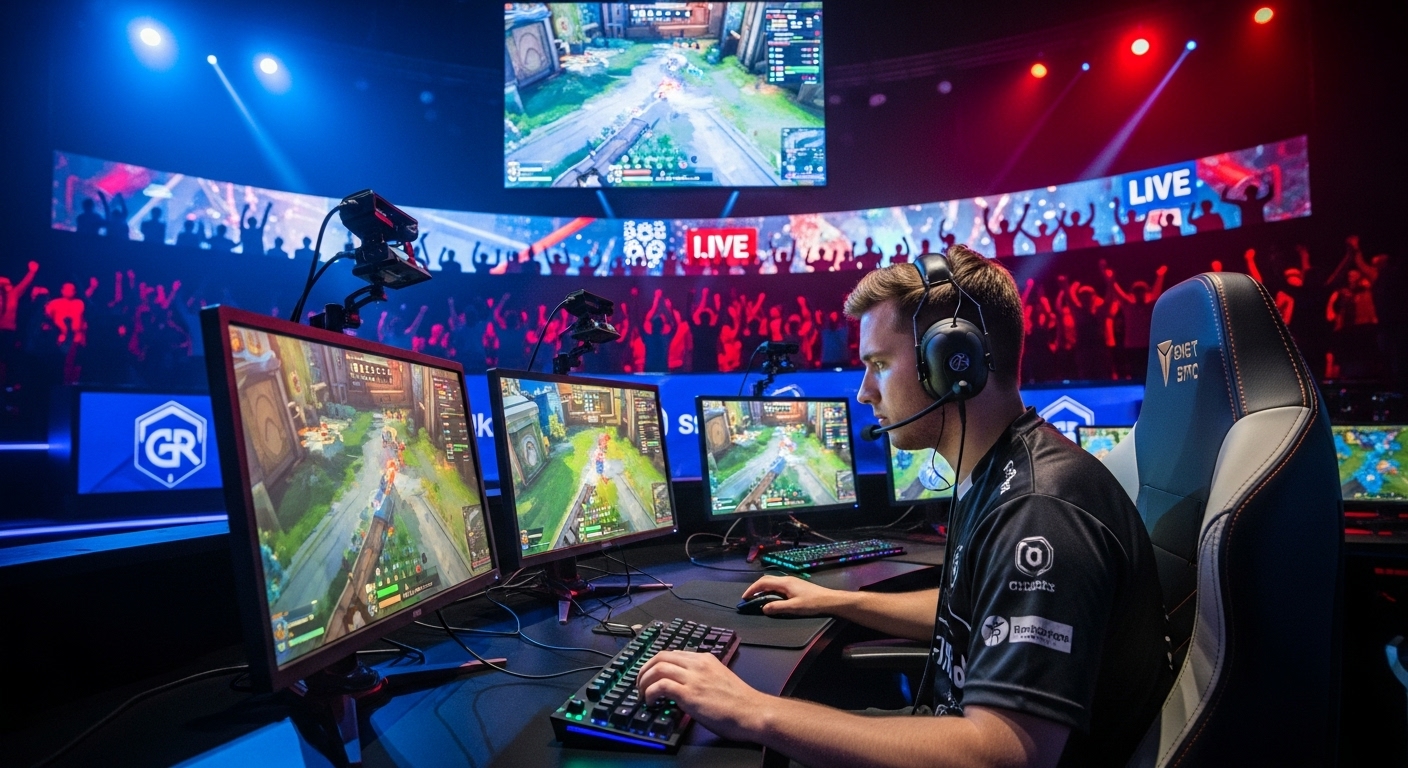
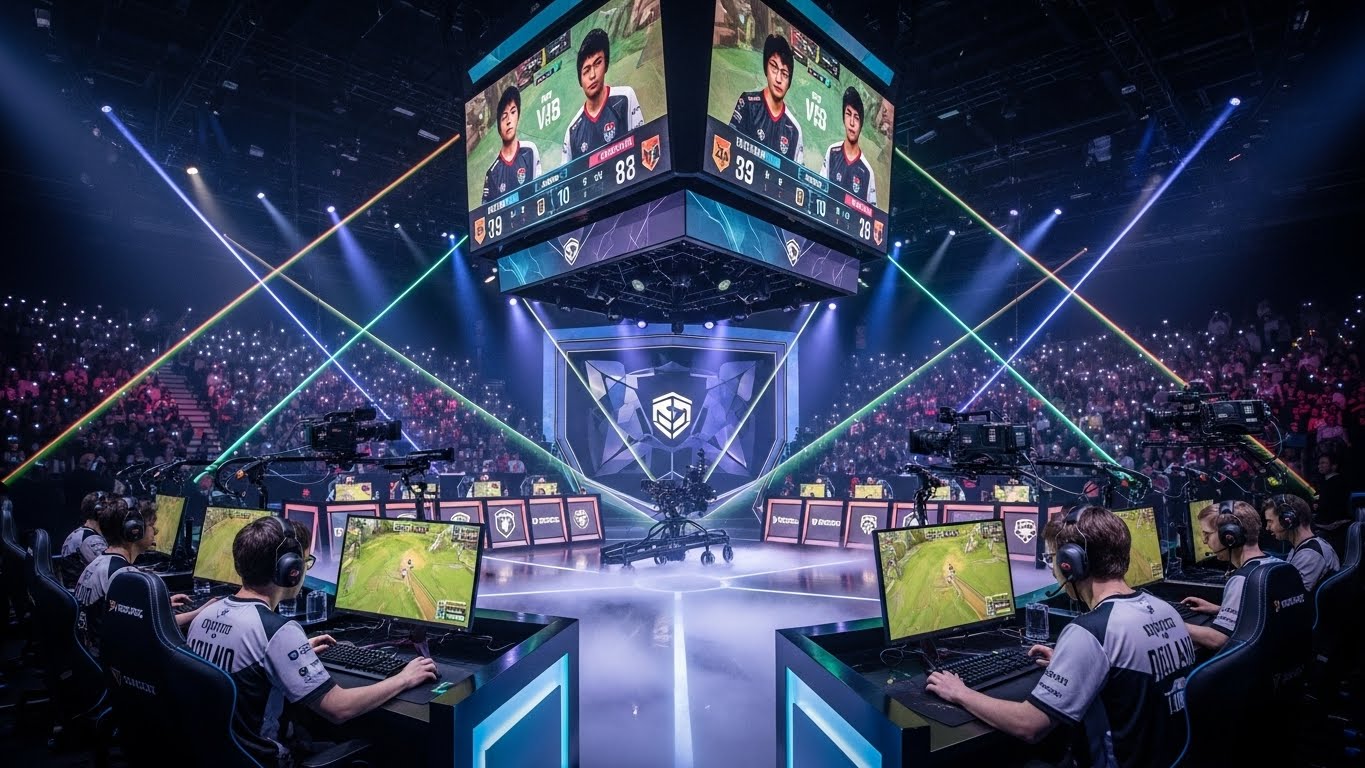
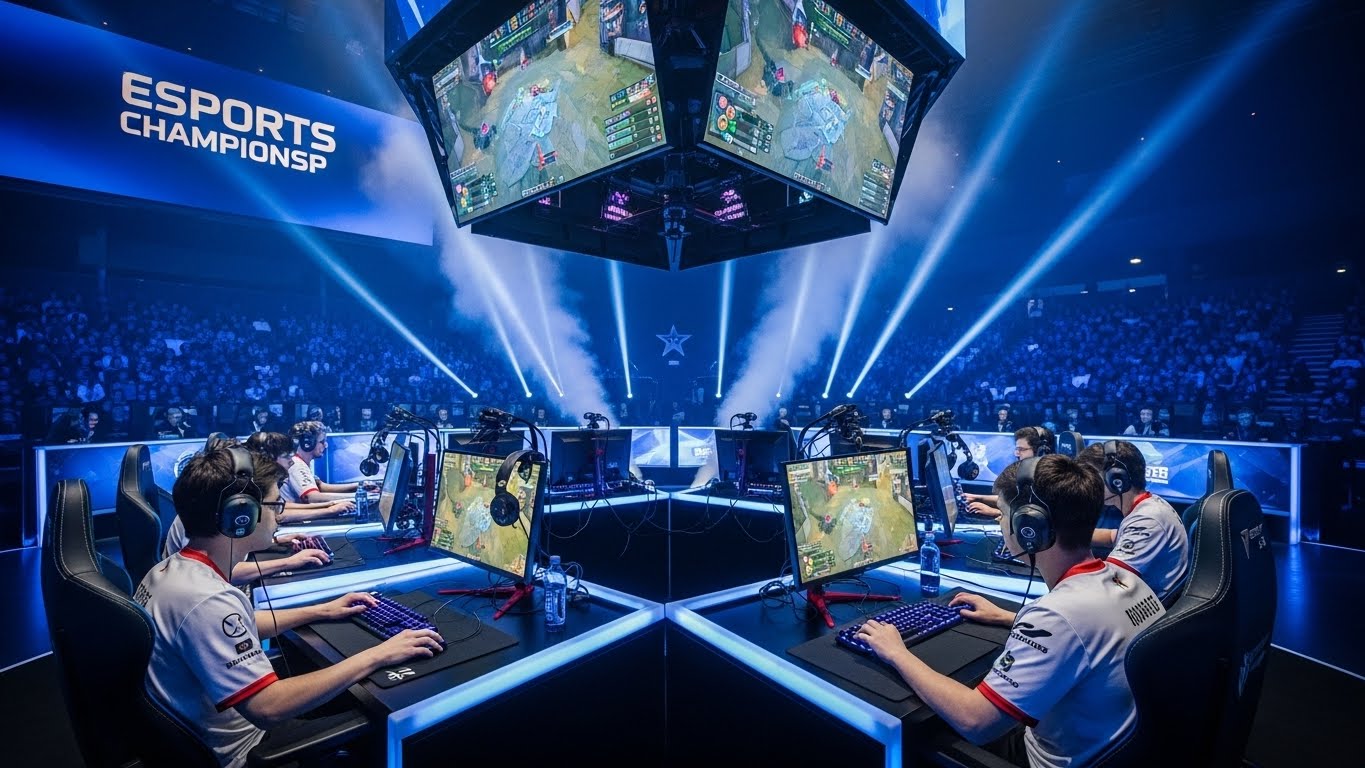
Esports, or electronic sports, has rapidly transformed from a niche hobby into a global phenomenon, capturing the attention of millions of players and spectators worldwide. Competitive gaming now rivals traditional sports in terms of viewership, sponsorship, and professional opportunities. What once was informal gaming among friends has grown into structured leagues, international tournaments, and multimillion-dollar prize pools.
Unlike traditional sports, esports blends technology, strategy, skill, and entertainment. It engages players and fans alike through immersive gameplay, live streaming, and community interaction. This blog explores the evolution of esports, its economic and cultural impact, major game genres, emerging trends, challenges, and the future of competitive gaming.
The Origins of Esports
The roots of esports can be traced back to the late 1970s and 1980s, when arcade competitions and early video game tournaments gained popularity. Classic games such as Space Invaders, Pac-Man, and Donkey Kong created the first competitive communities, offering players recognition and prizes.
The 1990s saw the rise of multiplayer PC games like Doom, Quake, and StarCraft, connecting players online and allowing competitions to expand beyond local arcades. The internet revolution enabled global competitions, international rankings, and the formation of online gaming communities.
By the 2000s, esports began professionalizing. Organized leagues, sponsorships, and live tournaments became more common. Platforms such as Twitch and YouTube later provided live broadcasting opportunities, allowing fans to watch matches in real-time, interact with players, and participate in global communities. This marked a turning point in esports, bringing it into mainstream culture.
Popular Esports Game Genres
Esports encompasses a wide variety of games, each with unique competitive mechanics and dedicated fan bases.
Multiplayer Online Battle Arenas (MOBAs)
MOBAs are among the most popular esports genres. Games like League of Legends, Dota 2, and Smite involve teams of players controlling unique characters with special abilities, aiming to destroy the opposing team’s base. MOBAs require strategic planning, teamwork, and quick decision-making. Spectators are drawn to the tactical depth and dynamic gameplay, making MOBAs highly engaging both to play and watch.
First-Person Shooters (FPS)
FPS games such as Counter-Strike: Global Offensive, Valorant, and Call of Duty focus on accuracy, reflexes, and team coordination. Players compete individually or in teams to achieve objectives in fast-paced environments. FPS esports tournaments attract large audiences due to the action-packed nature of the gameplay and high skill ceiling.
Real-Time Strategy (RTS) Games
RTS games challenge players to manage resources, build units, and execute strategies in real-time. StarCraft and Warcraft are examples of RTS titles that require tactical thinking, adaptability, and foresight. RTS esports appeal to players who enjoy complex decision-making and strategic depth.
Sports Simulation Games
Sports simulation games such as FIFA, NBA 2K, and Madden NFL allow players to replicate real-world sports digitally. Competitive leagues exist for these games, blending skill and sports knowledge. Fans of traditional sports often engage with these esports titles, making them a bridge between gaming and conventional athletics.
Fighting Games
Fighting games like Street Fighter, Tekken, and Super Smash Bros. involve one-on-one combat where precision, timing, and strategy are critical. Competitive fighting game tournaments have passionate fan bases and long-standing rivalries, contributing to esports’ diversity.
Economic Impact of Esports
Esports has become a billion-dollar industry with multiple revenue streams. Sponsorships and advertising are major sources of income, with companies investing in tournaments, teams, and individual players. Prize pools for top-tier competitions can reach millions, attracting professional players and large audiences.
Streaming platforms generate revenue through subscriptions, advertisements, and donations. Content creators and professional players monetize their audiences through match highlights, tutorials, and live engagement. Merchandise sales, media rights, and branded partnerships further strengthen esports’ economic influence.
Cities hosting tournaments benefit from tourism and local economic activity, while educational institutions have started offering scholarships and programs focused on esports careers, highlighting its broader economic and social impact.
Cultural Significance of Esports
Esports is more than competition; it has become a cultural force, influencing entertainment, social interaction, and lifestyle.
Community Building
Esports fosters global communities. Players and fans connect across countries through online platforms, social media, and live events. Multiplayer games encourage teamwork and collaboration, while forums and streaming platforms allow fans to share experiences, celebrate victories, and discuss strategies.
Entertainment and Media
Esports has transformed entertainment consumption. Live streaming provides real-time access to matches, commentary, and interactive features. Major tournaments attract millions of viewers worldwide, comparable to traditional sports events. Media coverage, documentaries, and shows further highlight esports’ growing cultural significance.
Career Opportunities
Esports has created professional careers for players, coaches, analysts, commentators, and content creators. Professional players follow rigorous training schedules, often practicing several hours a day to improve skills and team coordination. Organizations support players with coaching, nutrition guidance, and mental health resources, similar to traditional sports teams.
Influence on Popular Culture
Esports has influenced fashion, music, and mainstream media. Gaming-related merchandise, music, and digital content have become part of pop culture. Influencers and esports celebrities shape trends, engage fans, and create communities, bridging the gap between digital gaming and broader cultural movements.
Emerging Trends in Esports
The esports industry continues to evolve, driven by technology and audience engagement.
Mobile Esports
Mobile gaming has expanded esports accessibility, especially in regions where PCs or consoles are less common. Games like PUBG Mobile, Free Fire, and Mobile Legends have cultivated massive player bases and competitive leagues. Mobile esports tournaments attract millions of viewers worldwide.
Virtual Reality and Augmented Reality
VR and AR provide immersive experiences for both players and spectators. VR tournaments create fully interactive arenas, while AR overlays digital elements into the real world. These technologies are enhancing engagement and introducing innovative competition formats.
Cross-Platform Play
Cross-platform gaming allows players on different devices to compete together. This inclusivity grows player bases and strengthens communities, promoting seamless multiplayer experiences.
Integration with Traditional Sports
Traditional sports organizations increasingly invest in esports teams. Athletes participate in virtual competitions, bridging physical sports and digital gaming. This integration attracts new audiences and strengthens esports’ global presence.
Streaming and Content Creation
Content creation remains central to esports. Streamers, commentators, and players produce videos, tutorials, and match highlights, extending engagement beyond live tournaments. Content drives monetization, fan loyalty, and global visibility for esports organizations.
Challenges Facing Esports
Despite rapid growth, esports faces several challenges.
Regulation and Governance
Esports lacks standardized global regulations, leading to inconsistencies in rules, player contracts, and tournament oversight. Clear governance frameworks are essential for fair competition and credibility.
Player Health and Wellbeing
Professional players face physical and mental strain due to prolonged practice and competition pressures. Maintaining proper training schedules, mental health support, and lifestyle balance is critical for longevity.
Market Saturation
The rapid expansion of esports has created intense competition among games, teams, and tournaments. Standing out in a saturated market requires innovation, quality content, and effective engagement strategies.
Cheating and Fair Play
Maintaining integrity is crucial. Cheating, hacking, and performance-enhancing software threaten competitive fairness. Robust anti-cheat systems and monitoring are necessary to preserve trust and credibility.
The Future of Esports
Esports is poised for continued growth, driven by technological advancements and global interest. VR, AR, cloud gaming, and AI analytics will enhance both player and spectator experiences. Mobile esports and cross-platform play will increase accessibility, while streaming platforms will continue to drive engagement and content creation.
Integration with mainstream entertainment and traditional sports will create hybrid competitions and collaborative events. Educational initiatives and structured career programs will ensure talent development and sustainability. Esports is set to remain a dominant force in entertainment, competition, and digital culture for years to come.
Conclusion
Esports has evolved from casual gaming competitions into a global entertainment powerhouse. With diverse game genres, professional leagues, and millions of fans, esports provides players and audiences with unique opportunities for engagement, competition, and community building.
Economic, cultural, and technological impacts of esports continue to expand. Emerging trends such as mobile esports, VR and AR integration, cross-platform play, and content creation are shaping the industry’s future. While challenges like regulation, player wellbeing, and fair play persist, esports demonstrates resilience and innovation.
As technology advances and audiences grow, esports is set to remain a defining aspect of digital entertainment, shaping culture, competition, and interactive experiences for generations to come.