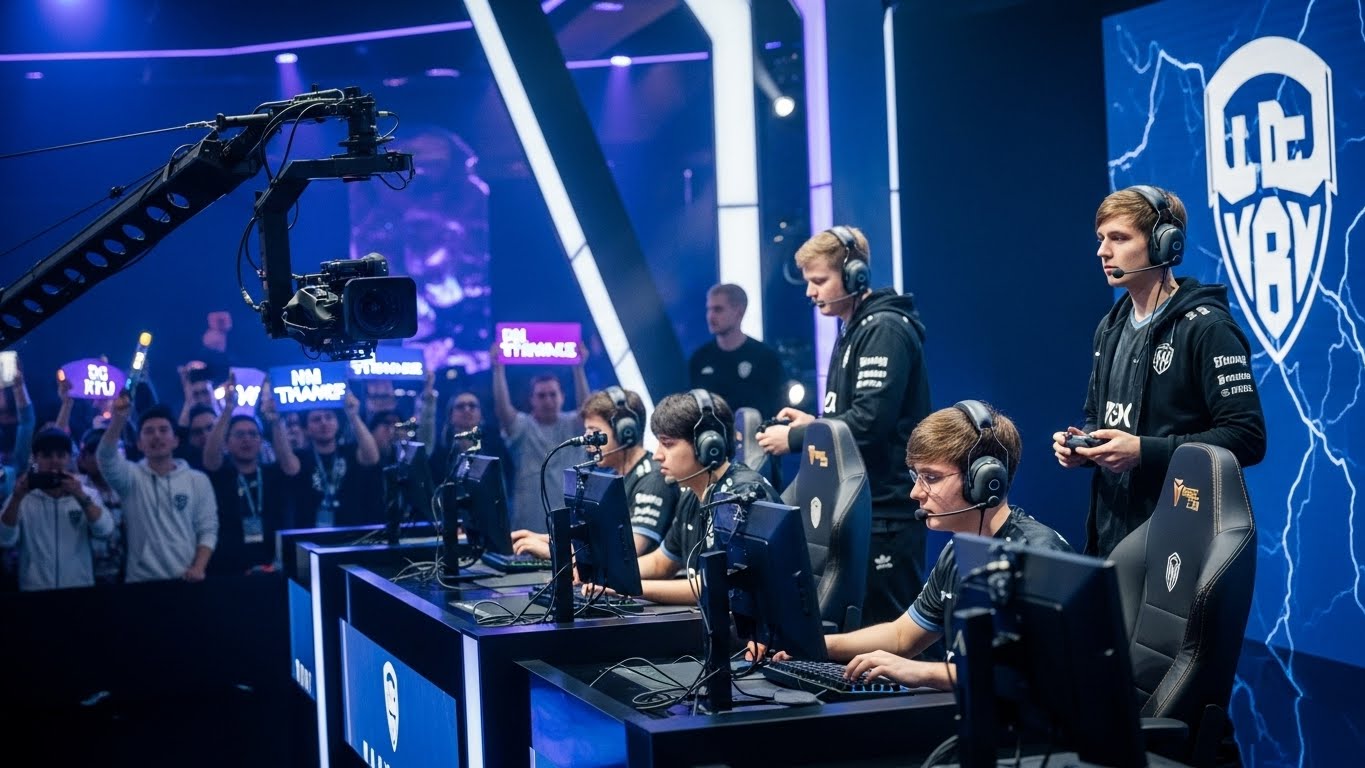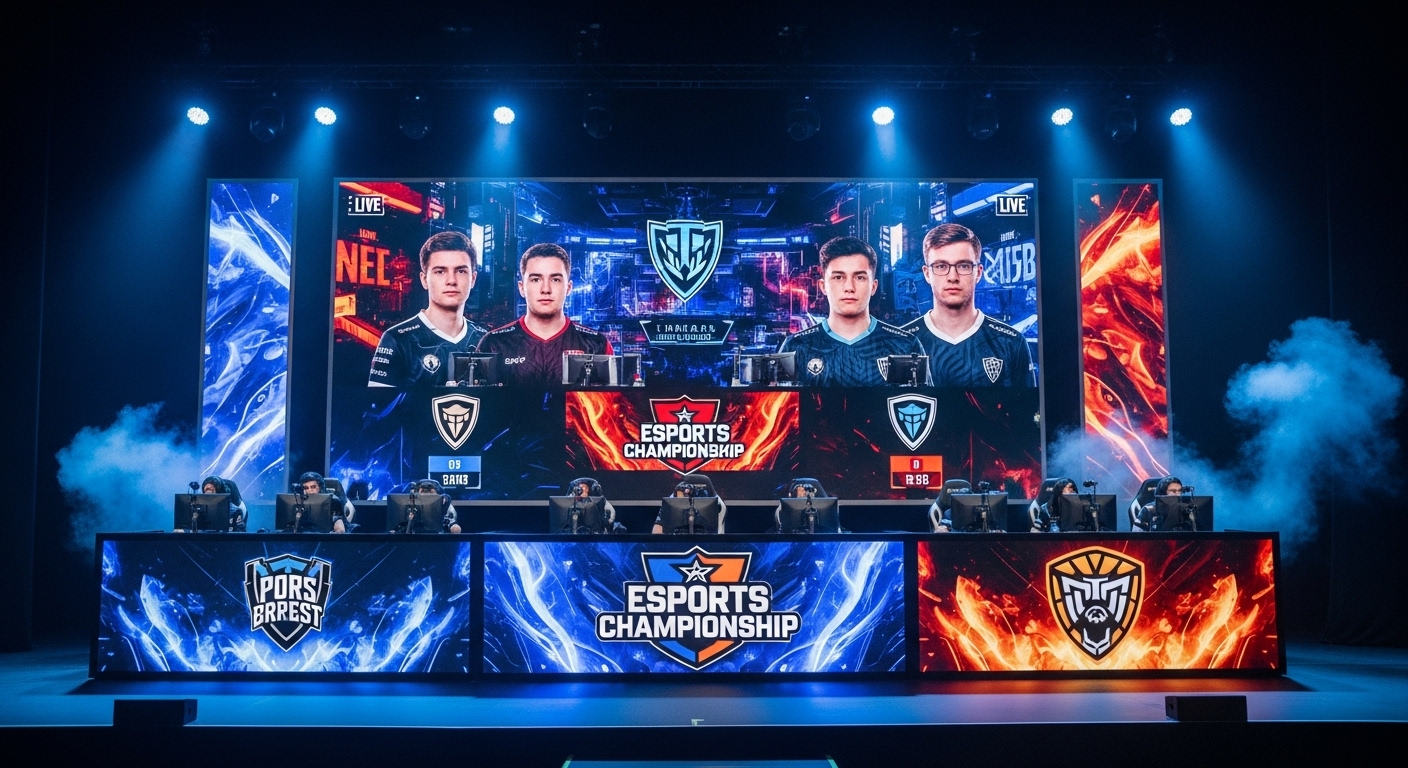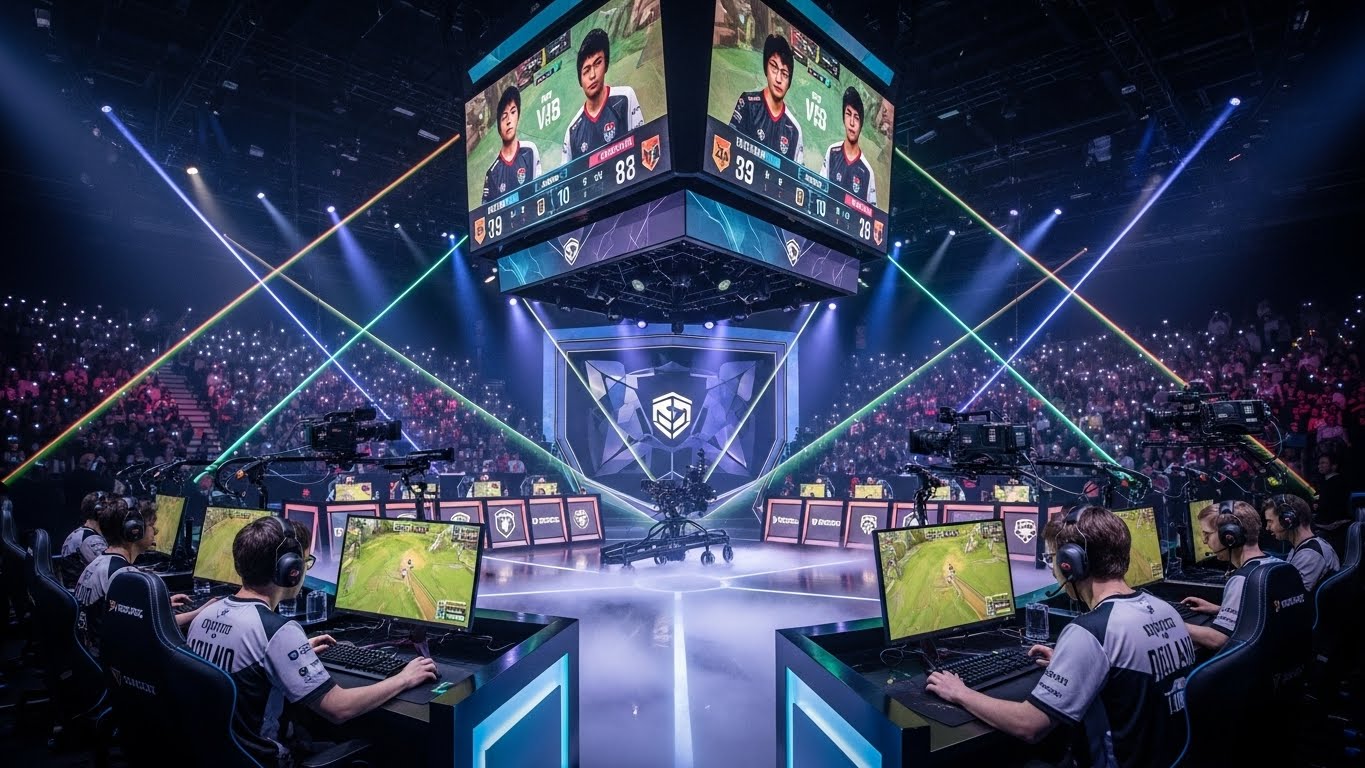
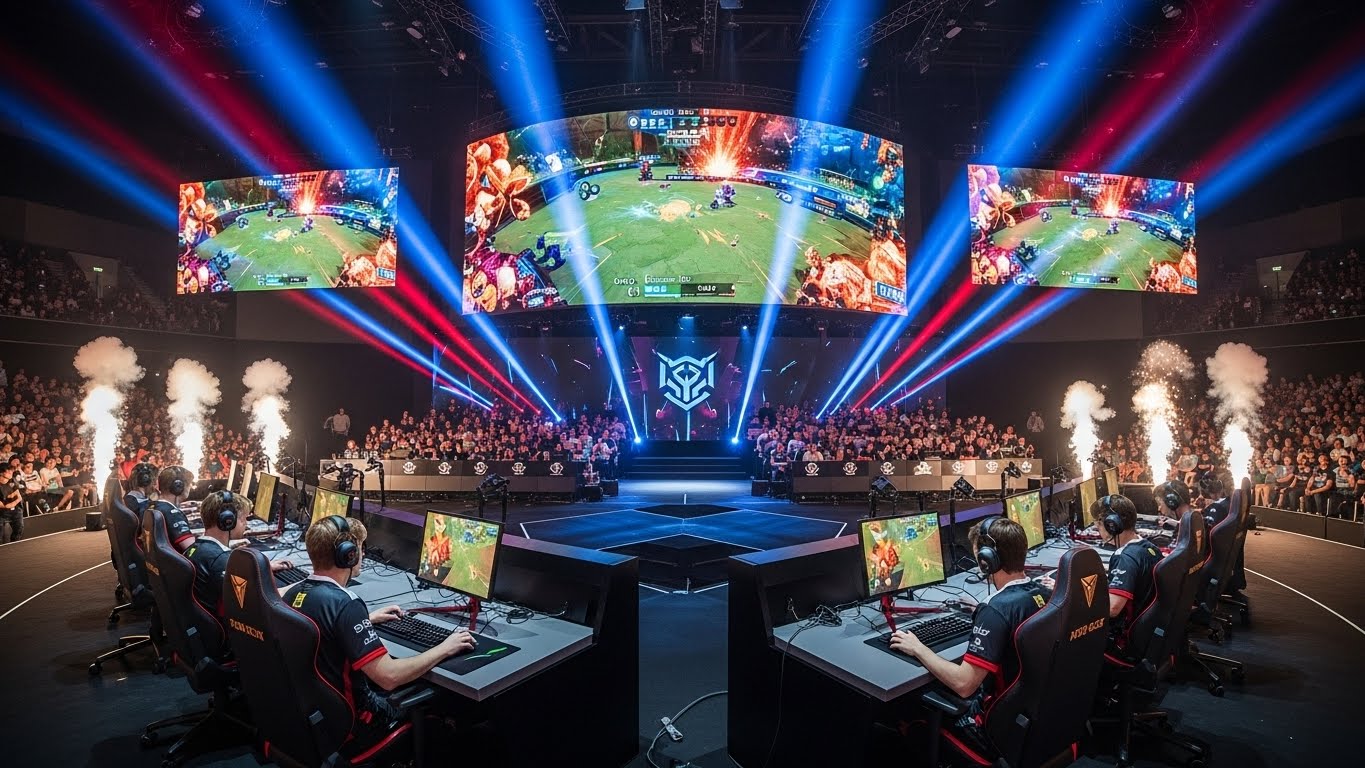
Esports has transformed the way we think about competition, entertainment, and digital communities. What began as casual gaming among friends has evolved into a global phenomenon, with professional leagues, millions of viewers, and players who are recognized as athletes in their own right. The rise of esports is more than just a trend; it is a cultural shift that reflects the growing integration of technology, social interaction, and entertainment in modern life.
Understanding Esports: More Than Just Gaming
At its core, esports, or electronic sports, refers to competitive gaming at a professional level. Unlike traditional video gaming, esports involves structured competitions, teams, coaches, and significant financial stakes. Popular titles in the esports world include games like League of Legends, Dota 2, Counter-Strike: Global Offensive, Fortnite, and Valorant. These games are not only about reflexes or strategy but also about teamwork, mental resilience, and adaptability. The strategic depth required in competitive gaming often rivals that of traditional sports, making esports an intellectually stimulating and physically demanding pursuit.
Esports is not limited to individual talent; it thrives on collaboration. Teams meticulously practice strategies, analyze opponents, and refine coordination to maximize their chances of winning. This level of dedication and preparation mirrors the rigor seen in conventional sports like soccer or basketball. As a result, esports athletes are increasingly recognized for their discipline, strategic thinking, and performance under pressure.
The Growth of Esports: From Niche Hobby to Global Phenomenon
The meteoric rise of esports over the past decade can be attributed to several factors. The proliferation of high-speed internet, the accessibility of gaming platforms, and the growth of streaming services have created an environment where competitive gaming can flourish. Platforms such as Twitch and YouTube Gaming allow fans to watch tournaments live, interact with commentators, and follow their favorite teams and players, creating a strong community around esports.
The financial growth of the esports industry is equally impressive. Tournament prize pools now reach millions of dollars, with sponsorships, merchandising, and media rights contributing significantly to revenue. Leading esports teams have become brands in their own right, attracting global audiences and investment. This rapid professionalization has created career opportunities not only for players but also for coaches, analysts, commentators, and content creators, broadening the scope of the industry.
Esports has also gained legitimacy through mainstream recognition. Major sporting organizations, universities, and even governments have begun acknowledging esports as a professional sport. Scholarships and collegiate programs dedicated to esports demonstrate that competitive gaming is no longer just entertainment—it is a viable career path and a serious competitive discipline.
The Psychological and Social Dimensions of Esports
While esports is often associated with entertainment and skill, it also has significant psychological and social dimensions. Players must develop mental resilience, focus, and the ability to perform under intense pressure. Unlike traditional sports, esports athletes often face longer hours of practice in front of screens, requiring careful management of stress, fatigue, and cognitive load. Mental health has become a key topic in the esports community, prompting teams and organizations to provide psychological support, coaching, and wellness programs.
Socially, esports creates a sense of belonging and identity for players and fans alike. Online communities allow individuals to connect with others who share their passion, fostering friendships and collaboration across borders. Competitive events, both virtual and offline, provide opportunities for networking and community building, turning esports into a social phenomenon that transcends geography.
Technology as the Backbone of Esports
Esports is inseparable from technology. High-performance computers, advanced peripherals, fast internet connections, and sophisticated software all play a crucial role in competitive gaming. Innovations in streaming technology have enabled real-time broadcasts of tournaments to global audiences, while analytics and performance-tracking software allow players to refine strategies and monitor their improvement.
Virtual reality and augmented reality are emerging technologies that could redefine esports in the future. VR esports tournaments, for instance, offer an immersive experience that blends physicality with digital competition, potentially creating a new category of esports that challenges traditional notions of gameplay. The evolution of technology ensures that esports will continue to innovate, engaging audiences in ways previously unimaginable.
The Cultural Impact of Esports
Esports has made a significant impact on global culture. It has influenced fashion, music, and entertainment, with gaming-inspired content appearing in mainstream media. Esports celebrities, much like traditional athletes, have millions of followers on social media, shaping trends and influencing youth culture. The presence of esports in popular culture has challenged stereotypes about gaming, presenting it as a legitimate, skill-based, and culturally relevant pursuit.
Moreover, esports has contributed to discussions about inclusivity and diversity. Initiatives aimed at encouraging participation from women and underrepresented groups have started gaining traction, fostering a more inclusive environment. While challenges remain, the visibility of diverse players and teams helps reshape perceptions of who belongs in the gaming world.
The Economic Ecosystem of Esports
The economics of esports extend far beyond prize money. Sponsorship deals with major brands, advertising revenue, and merchandise sales form a substantial part of the industry’s financial ecosystem. Teams operate much like businesses, managing contracts, branding, and strategic growth. Streaming platforms, tournament organizers, and event management companies also generate significant revenue, creating a multi-layered industry that employs thousands worldwide.
The economic impact of esports also includes job creation in related sectors. Content creators, video editors, coaches, and analysts are essential components of the esports ecosystem. Additionally, esports tourism—where fans travel to watch major tournaments—contributes to local economies, highlighting the broader financial significance of the industry.
Challenges Facing the Esports Industry
Despite its rapid growth, esports faces several challenges. Player burnout is a pressing concern, as intense training schedules and competitive pressure can lead to physical and mental exhaustion. Regulatory and governance issues also pose challenges, with organizations struggling to standardize rules, contracts, and ethical guidelines across different regions.
Furthermore, the perception of esports as “just gaming” still exists in some quarters, limiting sponsorship and mainstream acceptance. Overcoming these challenges requires collaboration between players, teams, organizers, and policymakers to ensure sustainable growth and professional integrity.
The Future of Esports
The future of esports is bright and full of potential. As technology continues to evolve, new gaming experiences, tournament formats, and interactive audience engagement methods are likely to emerge. Esports may increasingly integrate with traditional sports, entertainment, and education, creating hybrid experiences that appeal to a wider audience.
Additionally, esports has the potential to influence global culture, education, and even workforce development. Strategic thinking, teamwork, and digital literacy developed through esports can translate into valuable real-world skills. As the industry matures, we may see esports becoming a recognized part of education and career pathways, reshaping how society views competition and achievement.
Conclusion: Esports as a Defining Element of Modern Entertainment
Esports is no longer a niche hobby or a pastime—it is a defining element of modern entertainment and culture. From its professionalization and global reach to its economic and social impact, esports reflects the ways technology is reshaping human interaction and competition. The industry’s growth, challenges, and potential make it a fascinating subject for gamers, fans, and researchers alike.
Ultimately, esports is more than just digital competition. It represents community, innovation, and the limitless possibilities of human skill in a connected world. As esports continues to expand, it will redefine what it means to compete, entertain, and inspire in the 21st century.