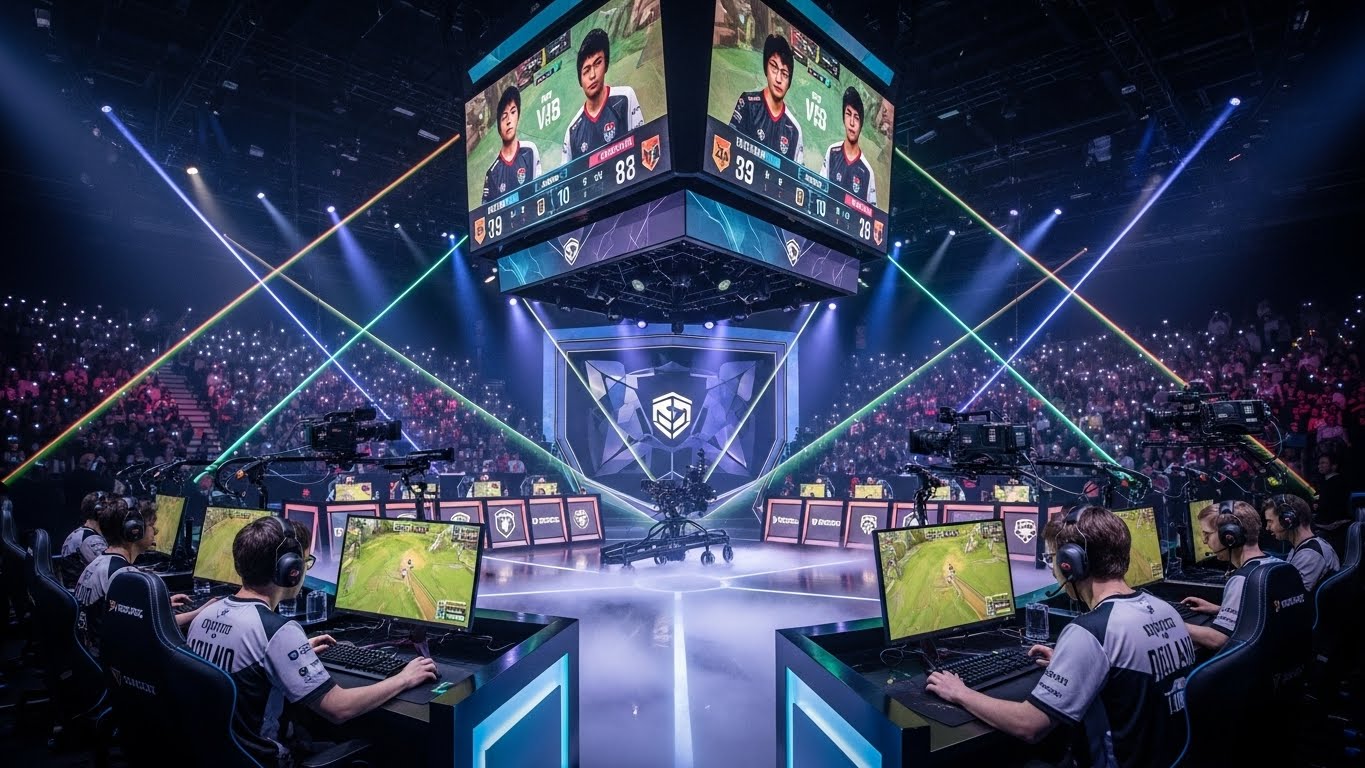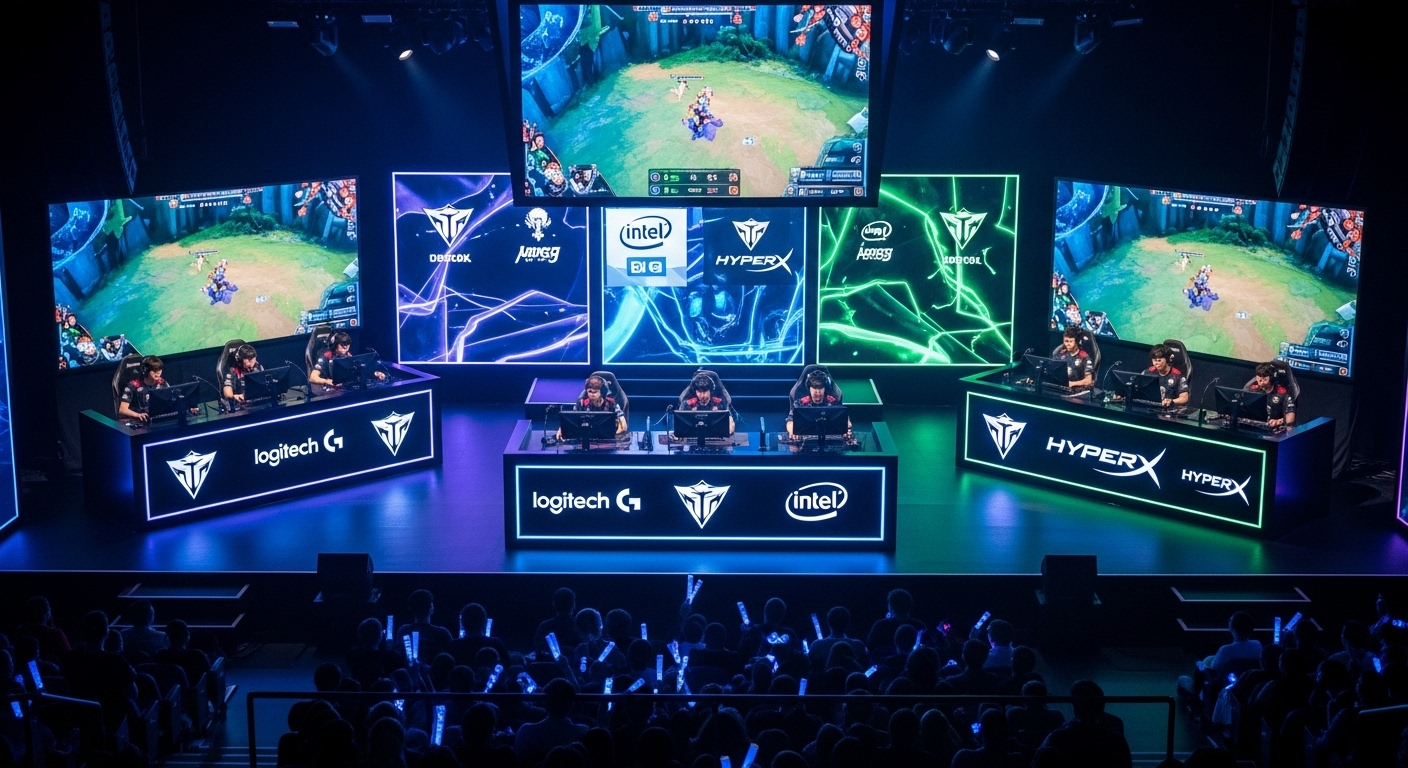

Esports has transformed from a casual pastime into a global phenomenon that captivates millions of people across the world. Once seen merely as playing video games for fun, competitive gaming has evolved into a professional industry with organized tournaments, professional players, and massive fan engagement. Esports represents a unique blend of skill, strategy, technology, and culture. This blog will explore the rise of esports, its impact on society, the skills and dedication it demands, and its potential to shape the future of entertainment and career opportunities.
Understanding Esports
Esports, short for electronic sports, is the world of organized, competitive video gaming. It involves professional players and teams competing in various games, ranging from multiplayer online battle arenas to first-person shooters and real-time strategy games. Popular esports titles include League of Legends, Dota 2, Counter-Strike: Global Offensive, Valorant, and Fortnite.
Unlike casual gaming, esports requires strategy, precision, communication, and teamwork. Professional players invest countless hours refining their skills, studying opponents, and perfecting their gameplay. Esports tournaments mirror traditional sports, with leagues, rankings, and championships, giving competitive gaming legitimacy as a professional pursuit.
The Global Growth of Esports
The growth of esports over the last decade has been extraordinary. Tournaments that once drew small audiences now fill arenas and attract millions of viewers online. Streaming platforms allow players to broadcast their gameplay live, enabling fans from around the world to watch and interact in real-time. This has created a unique sense of global community around esports.
Financially, esports has become a multi-billion-dollar industry. Sponsorships, media rights, merchandise sales, and advertising contribute to its rapid expansion. Professional players are recognized not just for their skill but also for their marketability and influence, further establishing esports as a legitimate and profitable field.
Skills Required for Competitive Gaming
Success in esports goes far beyond quick reflexes. Players require strategic thinking, excellent hand-eye coordination, multitasking, and the ability to make split-second decisions under pressure. Team-based games demand communication, collaboration, and leadership. Every player must understand their role, anticipate opponents’ strategies, and execute complex plays seamlessly.
For individual games, mental focus and adaptability are key. Professional esports players often train for hours daily, and many organizations provide coaches, analysts, and performance psychologists to optimize skill development and maintain player well-being. This professional structure demonstrates the level of dedication necessary to succeed in the industry.
The Importance of Physical and Mental Health
Esports might seem entirely digital, but physical health plays a critical role in a player’s performance. Long gaming sessions can cause repetitive strain injuries, eye strain, and posture-related problems. Maintaining physical fitness, practicing good ergonomics, and taking breaks are essential for sustaining peak performance.
Mental health is equally vital. Competitive gaming involves high stress, public scrutiny, and intense competition. Players can experience burnout, anxiety, or depression if they do not manage pressure effectively. Many esports teams now employ mental health professionals, offer counseling, and encourage mindfulness and balance to ensure players remain both healthy and competitive.
The Role of Technology in Esports
Technology is the backbone of esports. High-performance computers, fast internet connections, and specialized gaming peripherals enable competitive gameplay. Streaming software allows players to reach global audiences, while data analytics provides insights for performance improvement and strategic planning.
Emerging technologies like virtual reality, augmented reality, and artificial intelligence are shaping the future of esports. VR and AR could create immersive gameplay experiences, while AI-driven analytics can optimize player performance and game strategy. Technology ensures esports remains at the cutting edge of both entertainment and competition.
Career Opportunities in Esports
Esports offers diverse career paths beyond professional play. Players can earn money through salaries, prize winnings, sponsorships, and streaming revenue. Careers also exist in coaching, commentary, event management, content creation, marketing, and game development.
Educational institutions are increasingly recognizing esports, offering scholarships, degree programs, and research opportunities. This legitimization allows students to pursue esports professionally while developing valuable skills in teamwork, strategy, and technology, highlighting the industry’s long-term potential.
Community and Cultural Impact
Community is central to esports. Unlike traditional sports, fan communities in esports are often global. Fans interact online through streaming platforms, social media, and forums, sharing strategies, celebrating achievements, and supporting their favorite players and teams.
Esports also influences popular culture. Professional gamers become influencers, shaping fashion, entertainment, and online trends. Fan art, cosplay, and creative content emerge from esports communities, fostering a vibrant cultural ecosystem. International tournaments facilitate cross-cultural interaction, connecting players and fans from around the world and promoting global understanding.
Educational Potential of Esports
Esports has significant educational value. Schools and universities have started integrating esports programs to teach leadership, teamwork, strategic thinking, and digital literacy. These programs engage students who might not participate in traditional sports, providing alternative pathways for personal and professional growth.
Additionally, esports encourages interest in STEM fields. Understanding game mechanics, analyzing performance data, and optimizing strategies can spark curiosity in computer science, coding, and technology. Esports merges entertainment with education, showing its potential to develop both practical and cognitive skills.
Challenges Facing the Esports Industry
Despite its rapid growth, esports faces challenges. Cheating, online harassment, toxic behavior, and performance-enhancing practices threaten competitive integrity. Creating fair, safe, and inclusive environments is essential for maintaining credibility and long-term sustainability.
Diversity is also an ongoing concern. Women and marginalized groups remain underrepresented in professional esports. Promoting inclusivity and equal opportunities is crucial for the industry’s growth. Additionally, the physical and mental demands of professional gaming require structured support systems to prevent burnout and ensure sustainable careers.
The Economic Significance of Esports
Esports has a substantial economic impact. Major tournaments generate revenue through sponsorships, ticket sales, merchandise, and media rights. These events also boost local economies by attracting tourism, increasing demand for hospitality services, and creating jobs.
The broader esports ecosystem—including game developers, streaming platforms, marketing agencies, and media outlets—contributes to economic growth globally. Investment from technology companies, sports organizations, and media networks ensures continued expansion, making esports a key player in the modern entertainment industry.
The Future of Esports
The future of esports is full of promise. Emerging technologies, including virtual reality, cloud gaming, and AI-driven analytics, will redefine how games are played, trained for, and experienced. Esports is likely to become even more immersive, interactive, and globally accessible, reaching new audiences and fostering innovation.
Collaboration with traditional sports, media partnerships, and international tournaments will further elevate esports’ cultural and professional significance. The combination of technology, community, and career opportunities ensures that esports will continue to evolve as a defining aspect of digital entertainment and competitive culture.
Conclusion
Esports has grown from a niche hobby into a global cultural, economic, and professional phenomenon. It combines strategy, skill, technology, and teamwork in ways that rival traditional sports while offering unique opportunities for engagement, education, and career development.
From professional players to global fans, esports provides a platform where talent, innovation, and dedication converge. Its influence on entertainment, culture, education, and the economy is undeniable. The rise of esports is not just a trend; it represents a transformation in how society competes, collaborates, and connects in the digital age. Competitive gaming is more than a pastime—it is a revolution that continues to redefine entertainment and professional opportunity worldwide.