Introduction: The Rise of a New Sporting Era
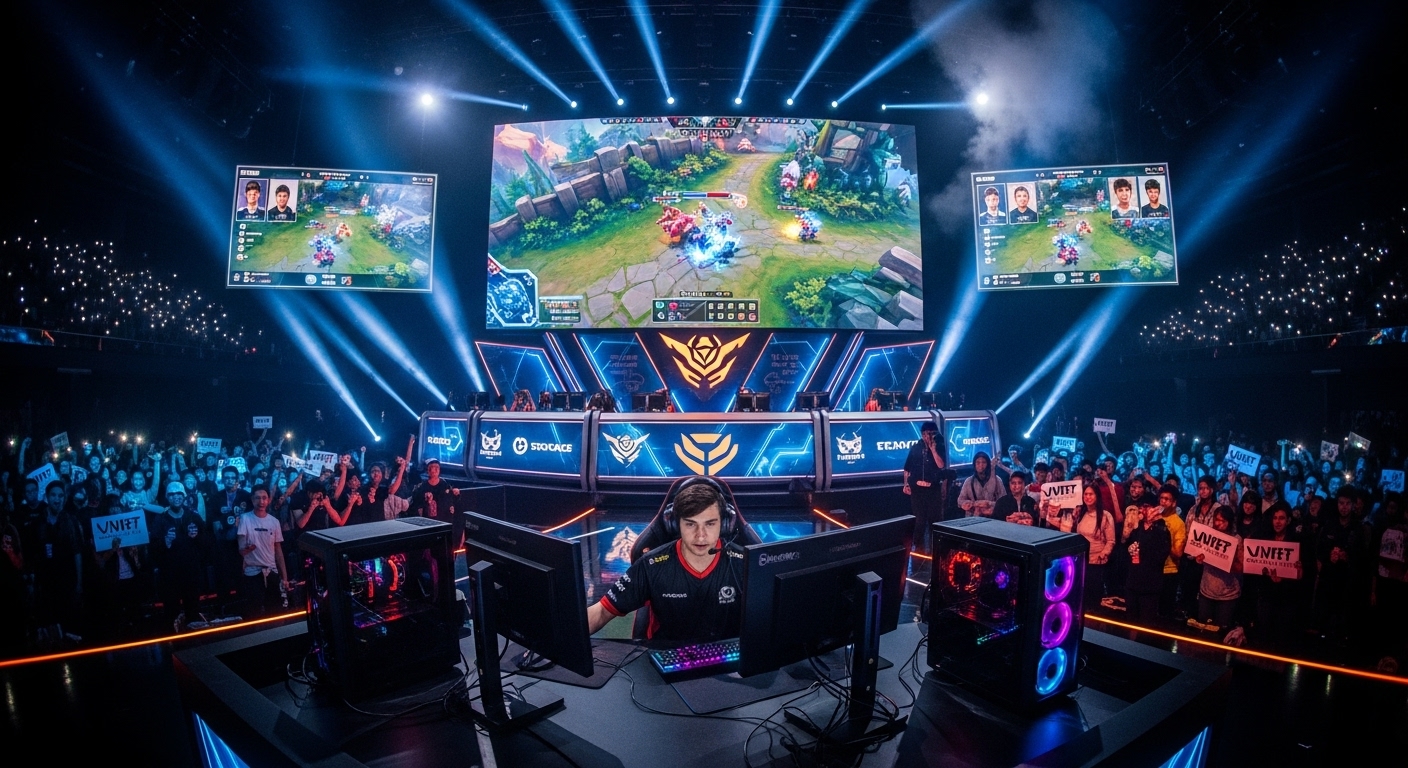
Not long ago, competitive gaming was seen as a hobby confined to bedrooms, internet cafés, and small local tournaments. Today, esports has evolved into a global phenomenon that rivals traditional sports in viewership, revenue, and cultural impact. Professional players compete in sold-out arenas, millions tune in to watch live broadcasts, and teams are backed by major brands and investors. Esports is no longer just about playing video games; it is about strategy, discipline, teamwork, and performance at the highest level.
This blog explores how esports has grown into a legitimate competitive industry, why it resonates so strongly with modern audiences, and what its future may look like in a rapidly changing digital world.
Understanding Esports: More Than Just Gaming
Esports, short for electronic sports, refers to organized, competitive video gaming where individuals or teams compete under structured rules. Unlike casual gaming, esports demands high-level skill, consistent practice, and professional commitment. Players specialize in specific games and often train for many hours a day to maintain peak performance.
Popular esports genres include multiplayer online battle arenas, first-person shooters, real-time strategy games, and sports simulations. Each genre requires different skill sets, from quick reflexes and precision aiming to deep strategic thinking and team coordination. This diversity allows esports to appeal to a wide range of players and spectators.
What truly separates esports from casual play is its professional ecosystem. Tournaments, leagues, coaches, analysts, sponsorships, and fan communities all work together to create a competitive environment similar to traditional sports.
The Growth of a Global Industry
The rapid growth of esports is one of the most remarkable developments in modern entertainment. What started as small-scale competitions has transformed into an industry worth billions. Professional leagues operate year-round, offering structured seasons, playoffs, and championship events.
Globalization has played a key role in this expansion. Esports is inherently digital, allowing players and fans from different countries to connect instantly. International tournaments bring together teams from Asia, Europe, North America, and beyond, creating a truly global competitive stage.
Prize pools have also grown dramatically, with top tournaments offering life-changing rewards. This financial growth has encouraged more players to pursue esports as a career, while attracting sponsors, media coverage, and investment from outside the gaming world.
The Professional Esports Athlete
Professional esports players are often misunderstood. From the outside, it may appear that they are simply playing games for a living. In reality, the demands placed on esports athletes are intense and multifaceted.
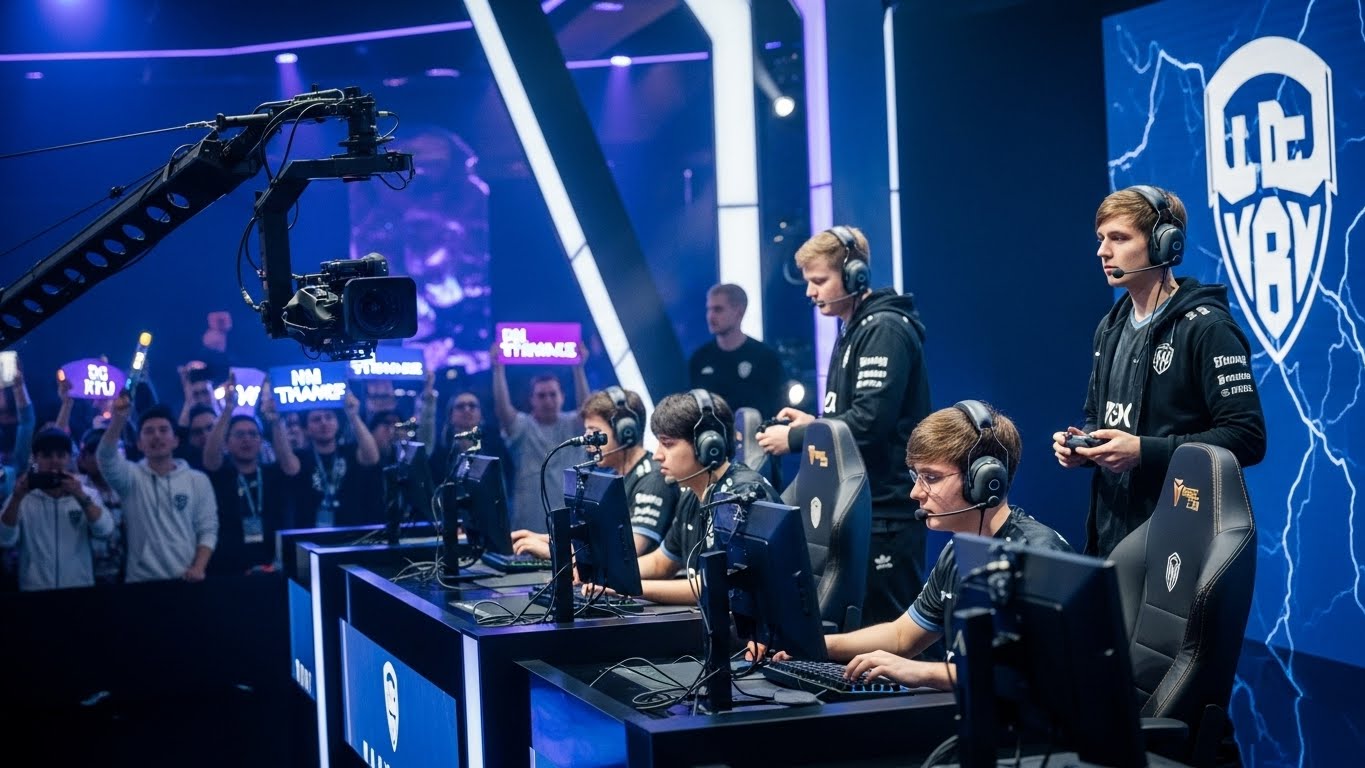
Training schedules can include long practice sessions, strategic reviews, physical exercise, and mental conditioning. Many teams employ coaches, psychologists, and performance analysts to help players improve decision-making, communication, and stress management.
Reaction time, hand-eye coordination, and cognitive speed are critical skills. At the highest level, even a fraction of a second can determine victory or defeat. As a result, players must maintain exceptional focus and consistency, often under immense pressure.
Like traditional athletes, esports professionals face challenges such as burnout, injuries related to repetitive motion, and short career spans. Managing health and longevity has become an increasingly important topic within the industry.
Esports as a Spectator Experience
One of the key reasons for esports’ success is its appeal as a spectator sport. Watching elite players compete offers excitement, unpredictability, and storytelling similar to traditional sports. Rivalries, underdog victories, and championship moments create emotional connections with fans.
Advances in broadcasting technology have enhanced the viewing experience. Real-time statistics, expert commentary, and multiple camera angles help audiences understand complex gameplay. Fans can follow their favorite players closely, gaining insight into strategies and in-game decisions.
Unlike traditional sports, esports allows for direct interaction between players and fans through live chats, social platforms, and community events. This accessibility helps build strong fan loyalty and a sense of belonging within the esports community.
The Role of Technology and Innovation
Technology is at the heart of esports, constantly shaping how games are played, watched, and managed. Improvements in hardware, internet infrastructure, and software have made high-level competition more accessible and reliable.
Game developers play a unique role in esports compared to traditional sports organizations. They control game balance, updates, and competitive formats. Regular updates can refresh gameplay, introduce new strategies, and keep the competitive scene dynamic.
Innovation extends beyond gameplay. Virtual reality, augmented reality, and advanced data analytics are beginning to influence training and broadcasting. These technologies offer new ways to analyze performance and immerse audiences, pushing esports into uncharted territory.
Esports and Education
As esports gains legitimacy, educational institutions are beginning to recognize its potential. Schools and universities now offer esports programs, scholarships, and dedicated facilities. These initiatives provide structured environments for young players to develop both gaming and life skills.
Esports education often extends beyond playing. Students can study event management, game design, marketing, broadcasting, and data analysis. This broad approach highlights the wide range of career opportunities within the esports ecosystem.
By integrating esports into education, institutions help normalize competitive gaming and provide pathways for students to turn their passion into sustainable careers.
Cultural Impact and Social Change
Esports has had a profound cultural impact, especially among younger generations. It has reshaped how people view competition, entertainment, and community in the digital age. Online platforms allow fans to connect regardless of location, background, or language.
The industry has also begun to address issues such as diversity and inclusion. While challenges remain, there is growing awareness of the need to create welcoming environments for players of all genders and backgrounds. Initiatives promoting fair play, mental health, and ethical competition are becoming more common.
Esports reflects broader societal shifts toward digital interaction and global connectivity. It represents how technology can bring people together around shared interests and goals.
Challenges Facing the Esports Industry
Despite its success, esports faces several challenges that could shape its future. Sustainability is a major concern, as rapid growth can sometimes outpace infrastructure and regulation. Ensuring fair competition, player welfare, and financial stability remains an ongoing effort.
Another challenge is maintaining competitive integrity. Issues such as cheating, match-fixing, and inconsistent rule enforcement can undermine trust. Industry leaders continue to work toward standardized regulations and transparent governance.
Public perception is also evolving. While esports has gained acceptance, some still question its legitimacy compared to traditional sports. Continued professionalism, positive role models, and long-term stability will be crucial in overcoming skepticism.
The Future of Esports
Looking ahead, the future of esports appears promising. As technology continues to evolve, new games, formats, and experiences will emerge. Crossovers with traditional sports, entertainment, and mainstream media are likely to increase.
Mobile esports is expanding rapidly, particularly in regions where access to high-end gaming equipment is limited. This growth could introduce millions of new players and fans to competitive gaming.
Ultimately, esports is not replacing traditional sports but complementing them. It offers a new form of competition that reflects the digital nature of modern life. As long as innovation, community, and passion remain at its core, esports will continue to thrive.
Conclusion: A New Definition of Competition
Esports represents more than a trend; it is a redefinition of what competition means in the digital era. By combining technology, skill, and global connectivity, it has created opportunities for players, fans, and professionals across multiple industries.
From packed arenas to online communities, esports has proven that competition does not need a physical field to be meaningful. It needs dedication, strategy, and the desire to be the best. As the industry matures, esports will continue to shape how we play, watch, and understand competitive excellence in the modern world.