Introduction to Esports
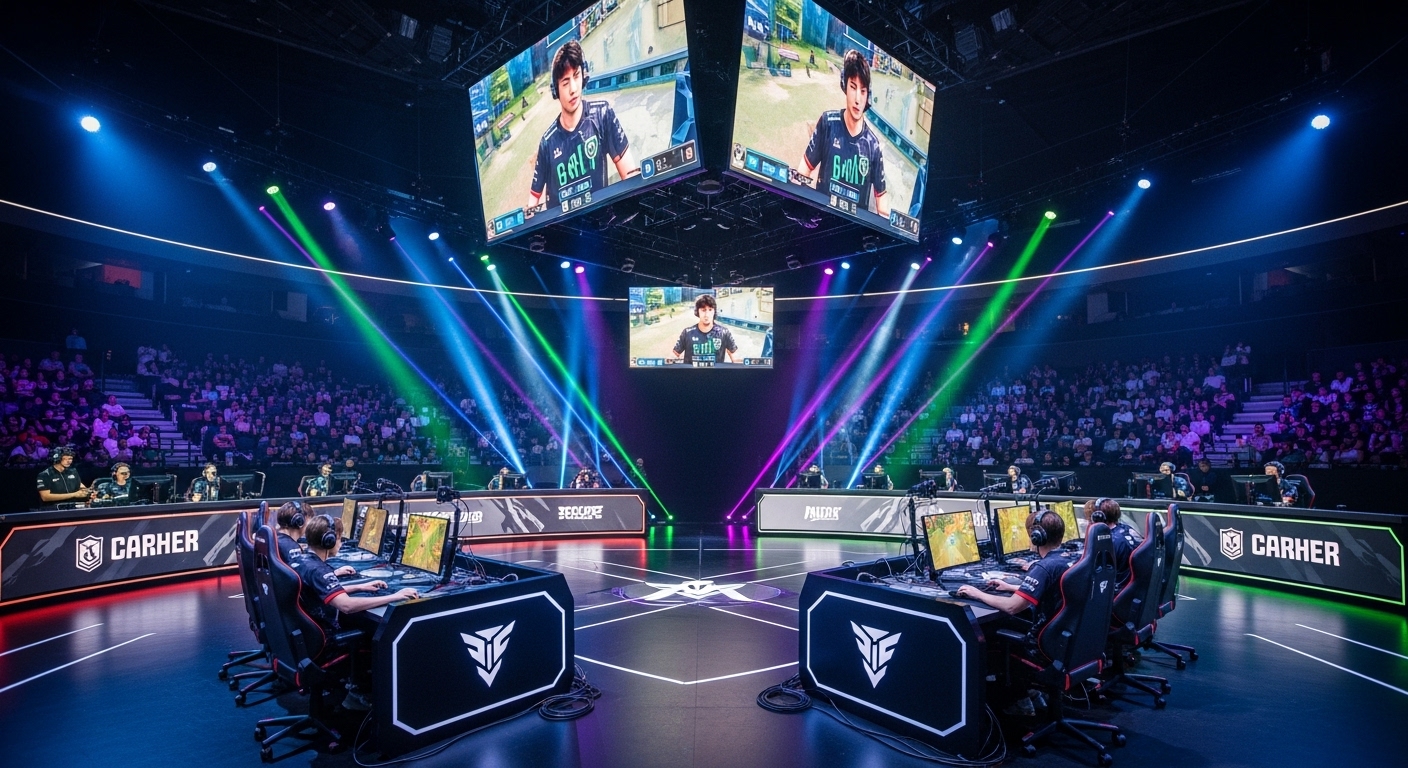
Esports, or electronic sports, represent one of the most fascinating evolutions in modern entertainment. What began as small gaming competitions among enthusiasts has now transformed into a billion-dollar global industry. It merges the thrill of traditional sports with the innovation of technology, offering an immersive experience for players and spectators alike. The concept of Esports goes far beyond just playing video games; it is a professional, organized, and competitive form of gaming that attracts millions of fans around the world.
As technology advanced, so did the perception of gaming. Once seen merely as a hobby, gaming has gained recognition as a legitimate form of competition, complete with professional players, massive tournaments, sponsorship deals, and even scholarships for aspiring gamers. The rise of Esports is a testament to how digital entertainment has shaped modern culture, blurring the lines between sports, entertainment, and technology.
The Origins of Esports
The history of Esports can be traced back to the early 1970s, when the first known video game competition took place at Stanford University. Players competed in a game called “Spacewar,” marking the beginning of what would later become a global phenomenon. The 1980s brought arcade competitions like the Space Invaders Championship, which attracted thousands of participants.
However, Esports truly began to take shape during the 1990s, with the growth of the internet and multiplayer games. Titles like “Quake,” “StarCraft,” and “Counter-Strike” established the foundation for professional gaming leagues. The introduction of online play connected gamers from all over the world, fostering an environment of global competition. As technology continued to evolve, so did the scope and scale of Esports events.
The Growth of the Esports Industry
In the 2000s, Esports started gaining mainstream attention. South Korea became the first country to treat gaming as a professional sport, forming organizations, teams, and broadcasting matches on television. Games like “StarCraft” became national obsessions, and players achieved celebrity status.
By the 2010s, Esports had become a global sensation. Major tournaments like “The International” for Dota 2, “League of Legends World Championship,” and “Fortnite World Cup” began offering multimillion-dollar prize pools. The scale of these events rivaled traditional sporting championships, drawing millions of live viewers both online and in physical arenas.
Today, Esports has evolved into a complex ecosystem involving game developers, sponsors, streaming platforms, and professional teams. Universities offer Esports degrees, companies invest heavily in gaming infrastructure, and brands seek to connect with younger audiences through Esports partnerships.
Popular Esports Games and Genres
Esports covers a wide variety of games, each with its own community, culture, and competitive scene. Among the most popular genres are Multiplayer Online Battle Arenas (MOBAs), First-Person Shooters (FPS), Real-Time Strategy (RTS), and Battle Royale games.
League of Legends stands as one of the most iconic Esports titles. Its fast-paced gameplay, strategic depth, and global tournaments have made it a staple of the competitive scene. Each year, the League of Legends World Championship attracts millions of viewers worldwide.
Counter-Strike: Global Offensive continues to dominate the FPS genre with its emphasis on teamwork, precision, and strategy. Known for its simple mechanics but high skill ceiling, it has remained relevant for over two decades.
Dota 2 is another major force in Esports, known for its complexity and enormous prize pools. The International, Dota 2’s annual world championship, offers tens of millions of dollars in prizes, funded largely by community contributions.
Other notable titles include Valorant, Overwatch, Fortnite, Call of Duty, and PUBG. Each of these games has carved out its niche in the Esports world, appealing to different styles of play and audiences.
Professional Esports Players and Teams
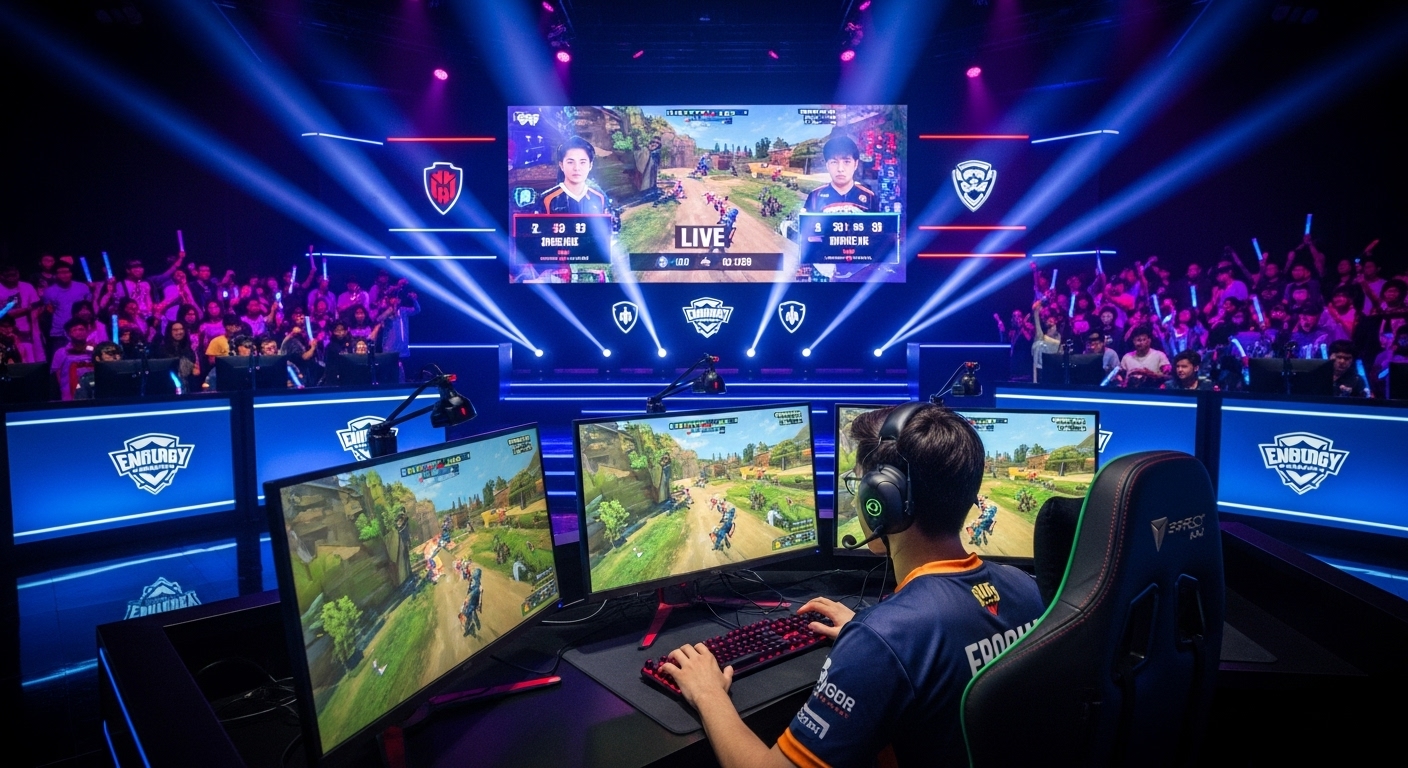
The life of a professional Esports player is one of discipline, practice, and competition. Just like traditional athletes, Esports professionals follow strict training regimens to improve their reflexes, teamwork, and mental focus. Many top players start young, often discovering their passion during teenage years and progressing through amateur tournaments before joining professional teams.
Esports teams function much like sports clubs, complete with coaches, analysts, managers, and sponsors. Teams such as Fnatic, Team Liquid, Cloud9, T1, and G2 Esports are household names within the community. These organizations not only compete in tournaments but also engage in content creation, merchandising, and fan engagement across various platforms.
The financial rewards can be substantial. Top players earn six or even seven figures annually through tournament winnings, sponsorships, and streaming deals. However, the pressure to perform is intense, and careers can be short due to the fast-paced nature of competitive gaming. Mental health and burnout have become major topics of discussion in the industry, prompting organizations to invest in player wellness programs.
The Role of Streaming and Content Creation
Streaming platforms have been instrumental in the growth of Esports. Sites like Twitch, YouTube Gaming, and Facebook Gaming allow millions of fans to watch live matches, follow their favorite players, and engage with gaming communities. These platforms have turned gaming into a form of entertainment accessible to anyone with an internet connection.
Streaming has also blurred the line between professional competition and personal entertainment. Many professional players maintain their own channels, offering fans a behind-the-scenes look at their gameplay, strategies, and personalities. This accessibility has helped Esports build a loyal fanbase that extends far beyond the competitive scene.
Moreover, streaming has created opportunities for non-professional gamers to build careers as influencers, commentators, or content creators. Esports coverage now includes professional shoutcasters, analysts, and journalists who provide expert commentary, much like traditional sports broadcasting.
Esports and Traditional Sports: The Comparison
One of the most intriguing aspects of Esports is its growing comparison to traditional sports. While the two industries may differ in physicality, they share similarities in structure, strategy, and competition. Both require teamwork, training, and mental resilience. Esports athletes often undergo hours of practice daily, focusing on coordination, timing, and decision-making—skills that are just as demanding as physical training in other sports.
Traditional sports organizations have also recognized the potential of Esports. Many football clubs, basketball teams, and even Formula 1 organizations have launched their own Esports divisions. This crossover has helped legitimize Esports as a serious form of competition and has attracted new audiences who appreciate both athletic and digital performance.
The Olympic Committee has even begun exploring Esports as a potential addition to the global sporting stage, a move that further bridges the gap between digital and physical athleticism.
The Global Impact of Esports
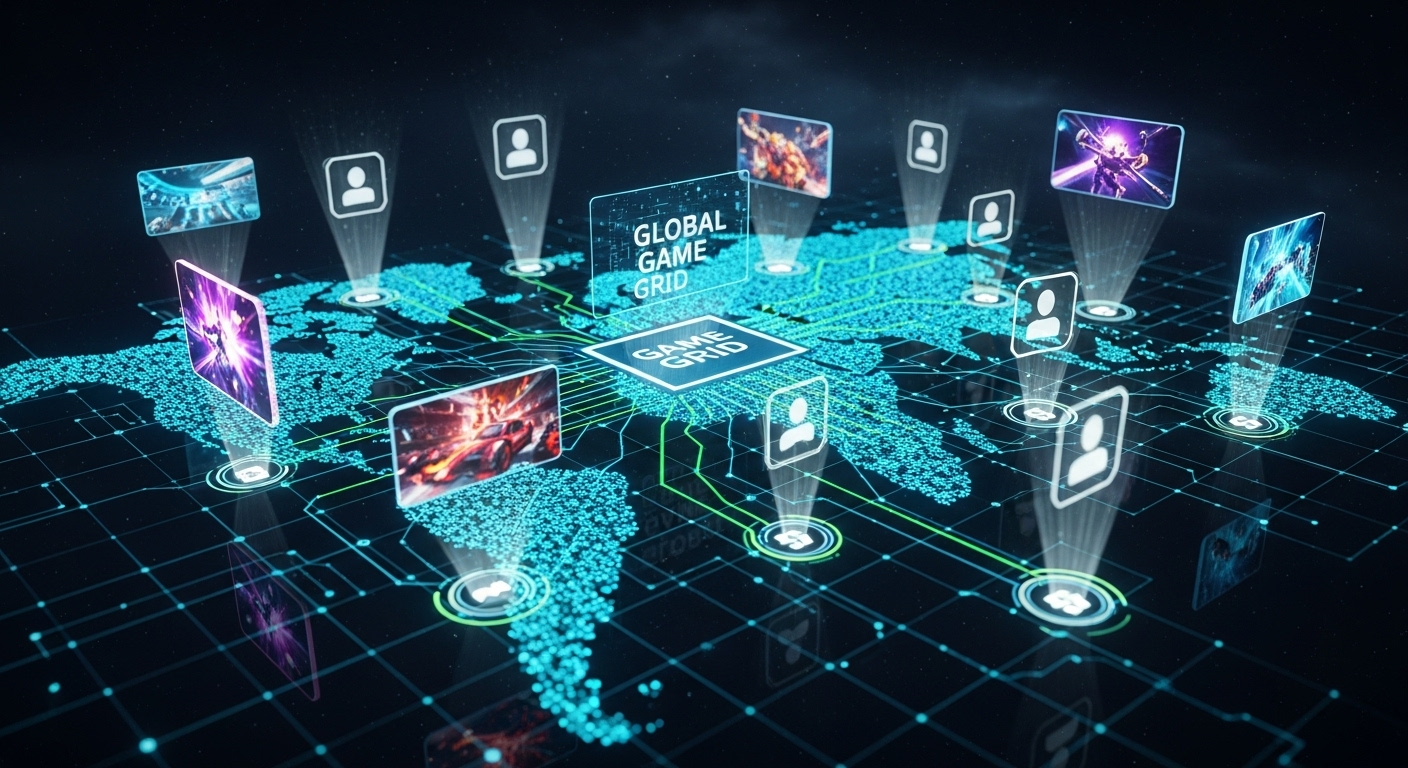
Esports is not just entertainment—it is an industry that drives innovation, community building, and cultural exchange. It has become a unifying force across nations, languages, and backgrounds. Tournaments held in cities like Seoul, Los Angeles, Shanghai, and Berlin draw international crowds, fostering a sense of global connectivity.
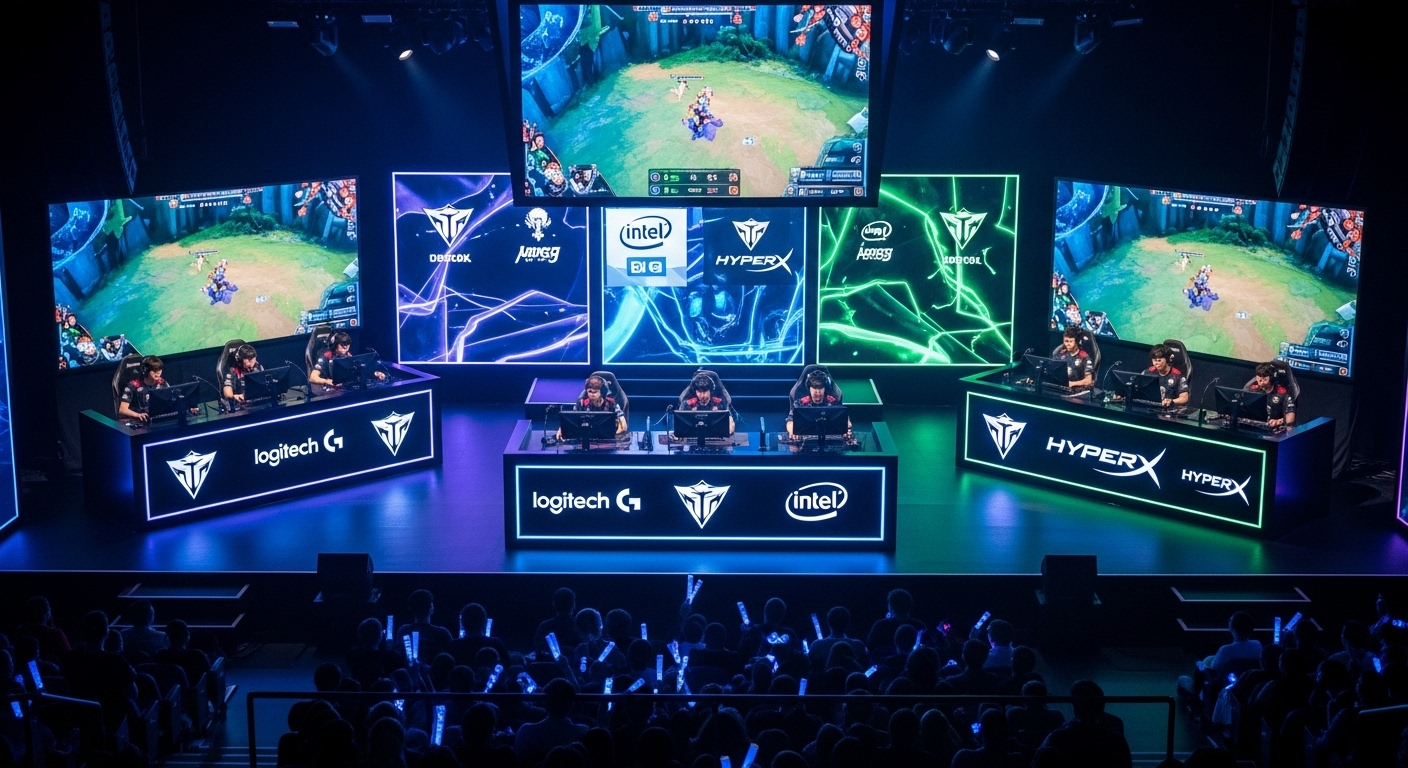
Economically, Esports contributes billions to the global market. It generates revenue through sponsorships, media rights, ticket sales, and in-game purchases. Brands from tech companies to fashion labels have entered the scene, seeking to capitalize on Esports’ massive youth audience.
Socially, Esports offers opportunities for inclusion and collaboration. Players from different regions can connect through shared passions, creating diverse and multicultural communities. For many, gaming provides a sense of belonging and identity in an increasingly digital world.
Education and Career Opportunities in Esports
The rise of Esports has also opened doors for education and career development. Many universities around the world now offer Esports scholarships and degree programs that cover game design, event management, broadcasting, and marketing. This academic approach to Esports reflects its growing legitimacy and economic potential.
Career paths within Esports extend far beyond being a player. Opportunities exist in coaching, production, marketing, game development, and data analysis. The industry’s demand for skilled professionals continues to rise, creating a new generation of digital careers.
Challenges Facing the Esports Industry
Despite its rapid growth, Esports faces several challenges that must be addressed for long-term sustainability. One major issue is player burnout. The intense training schedules, constant travel, and pressure to perform can take a toll on mental and physical health. The lack of standardized contracts and player protection in some regions also raises concerns about exploitation and unfair treatment.
Another challenge is maintaining integrity within competition. Issues like cheating, match-fixing, and doping have occasionally surfaced, prompting the creation of Esports regulatory bodies and anti-cheating organizations. Ensuring fair play remains a top priority as the industry matures.
Additionally, the Esports audience, while massive, is still largely digital. Expanding its reach into mainstream media and older demographics is an ongoing effort. Some critics also argue that Esports lacks the physical component of traditional sports, although many now recognize its mental and strategic demands as equally valid.
The Future of Esports
The future of Esports looks brighter than ever. With advancements in virtual reality, artificial intelligence, and interactive media, the possibilities are limitless. Virtual reality gaming could introduce new immersive forms of competition, while AI could help in training players and analyzing gameplay.
The continued integration of Esports into mainstream culture means that future generations will grow up viewing it not as a novelty but as a legitimate sport. The rise of mobile Esports is also expanding accessibility, especially in regions where consoles and gaming PCs are less common.
As global connectivity improves, Esports will continue to serve as a cultural bridge, bringing people together through shared competition and entertainment. Governments, educational institutions, and corporations are all recognizing its potential to inspire innovation and unity.
Conclusion
Esports has transcended its humble beginnings to become one of the defining phenomena of the 21st century. It combines skill, technology, creativity, and community into an experience that captivates millions. Whether as a player, a fan, or a professional within the industry, Esports offers opportunities for everyone to be part of something larger than themselves.
It represents not just the future of gaming, but the future of global entertainment and competition. As technology continues to evolve, Esports will remain at the forefront of digital culture, redefining what it means to be an athlete, a competitor, and a fan in the modern world.
The digital arena has become today’s stadium, and the players who step into it carry the spirit of competition into a new era—one powered by passion, precision, and the unbreakable connection between humans and technology.