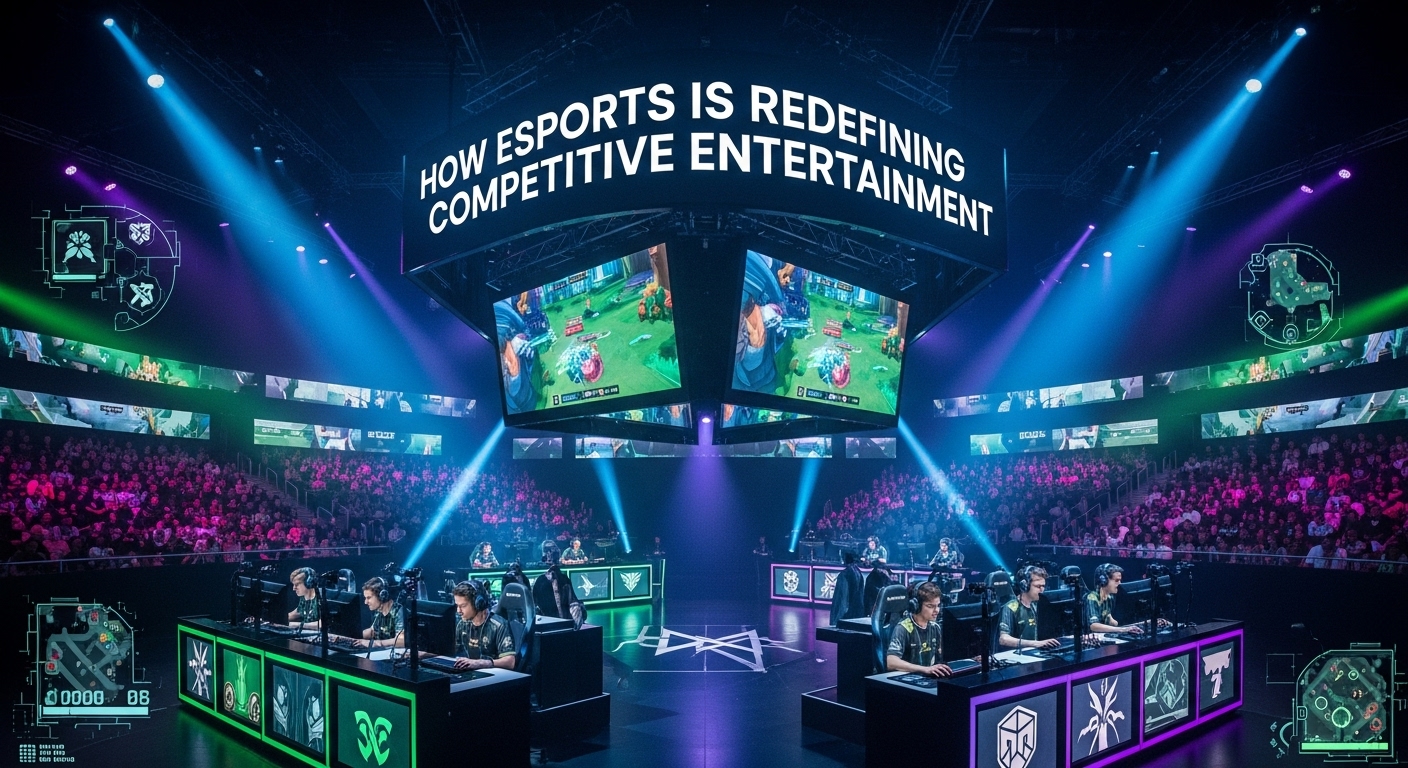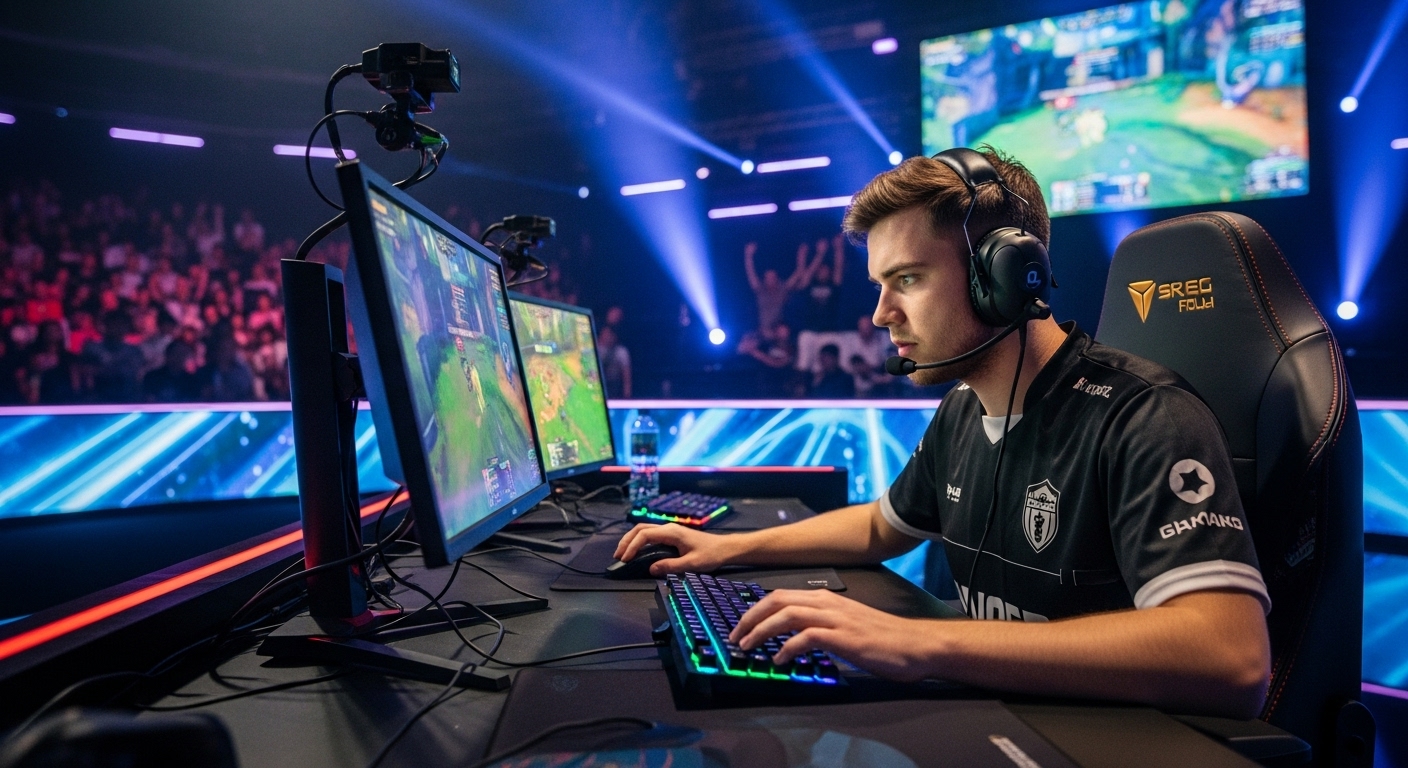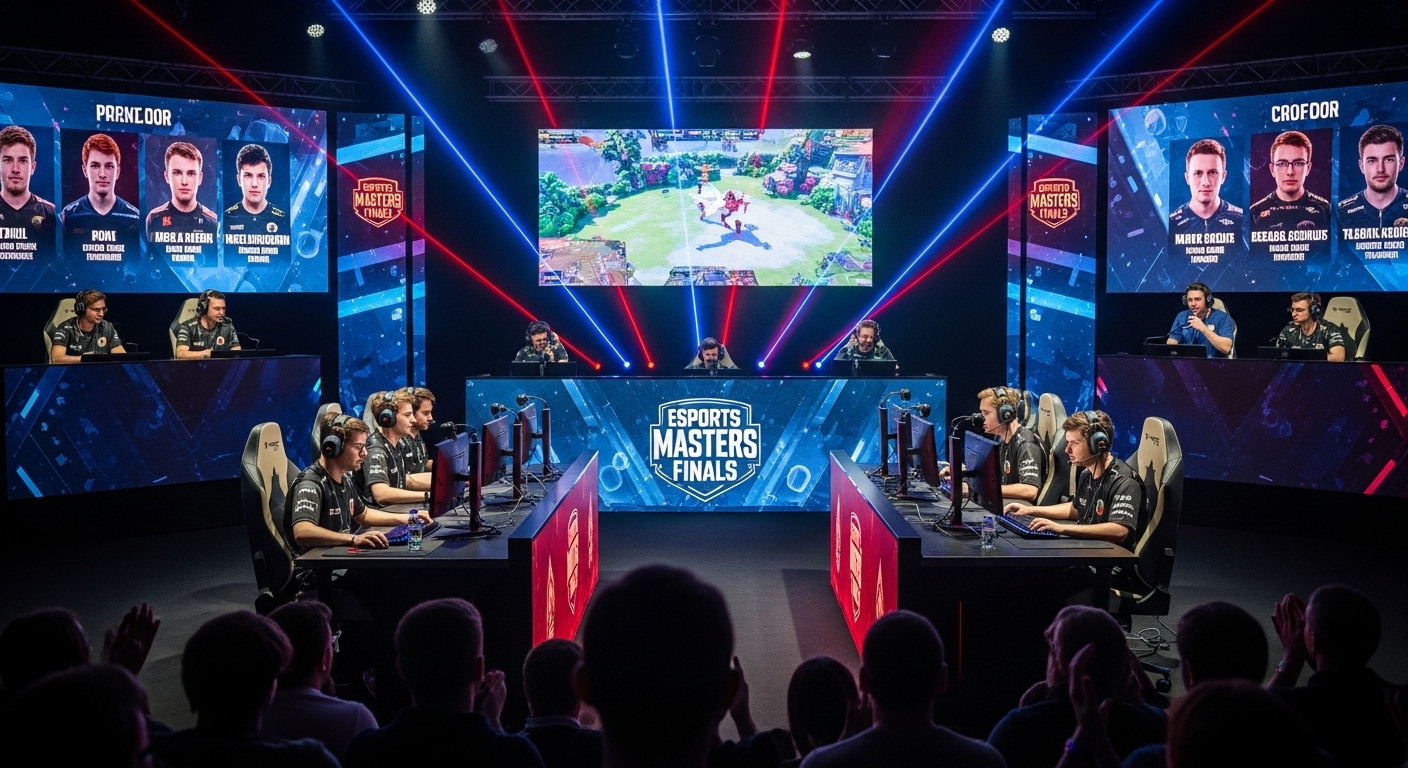
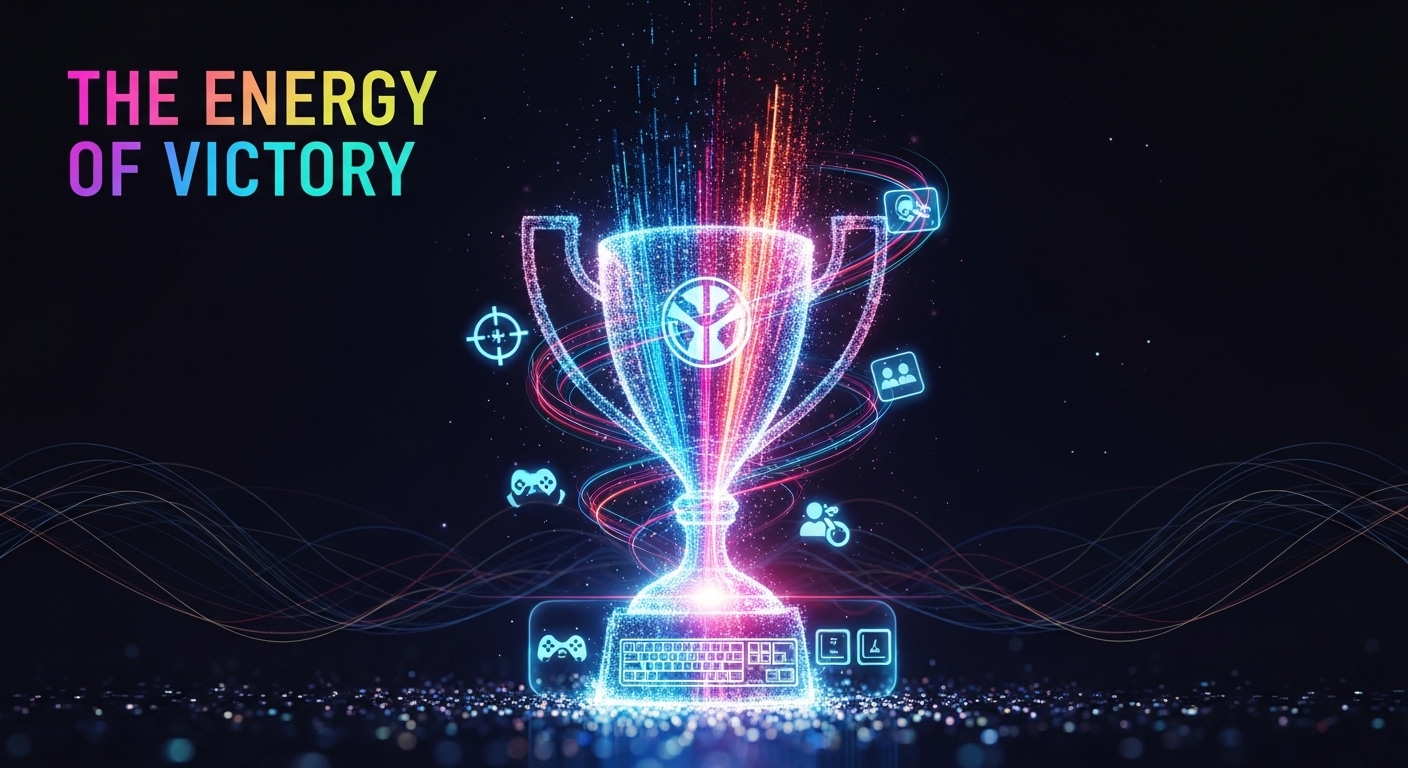
Esports, short for electronic sports, has evolved from a small, underground pastime into a billion-dollar global industry that rivals traditional sports in viewership, sponsorship, and cultural influence. What was once a gathering of friends in dimly lit arcades has transformed into sold-out arenas filled with roaring fans, professional teams, multimillion-dollar tournaments, and players who are treated like celebrities. This evolution didn’t happen overnight—it’s the result of decades of innovation, technology, and community.
The Origins of Esports
To understand Esports today, we need to rewind to where it all began. Competitive gaming has existed since the early days of video games in the 1970s and 80s. One of the earliest known gaming competitions took place in 1972 at Stanford University, where students competed in “Spacewar.” The prize? A year’s subscription to Rolling Stone magazine. It might sound small by today’s standards, but it was the seed that would eventually grow into a worldwide phenomenon.
As arcades exploded in popularity during the 1980s, competitive gaming became more visible. Games like “Pac-Man,” “Space Invaders,” and “Donkey Kong” challenged players to achieve the highest possible scores. The 1981 Space Invaders Championship, hosted by Atari, drew over 10,000 participants across the United States—a massive turnout that hinted at the future potential of organized gaming.
The 1990s: Esports Finds Its Feet
The 1990s marked a new era for gaming competitions. With the rise of personal computers and improved internet connectivity, players could compete against others beyond their local arcades. Titles like “Doom,” “Quake,” and “StarCraft” became early cornerstones of the Esports scene. LAN (Local Area Network) parties were the heart of this era—groups of players would connect their computers in one room and battle for hours.
One of the defining moments came in 1997 with the Red Annihilation tournament for “Quake.” The winner, Dennis “Thresh” Fong, drove home in a Ferrari that belonged to the game’s creator, John Carmack. It was a sign that competitive gaming was becoming serious business.
Around the same time, South Korea began to heavily invest in broadband internet infrastructure. This seemingly unrelated decision would eventually make Korea the global epicenter of Esports. Games like “StarCraft” became national obsessions, with professional players achieving celebrity status and matches broadcasted on television.
The 2000s: Building the Esports Infrastructure
The early 2000s were about structure, organization, and legitimacy. Dedicated Esports organizations started to emerge, such as the Cyberathlete Professional League (CPL), Major League Gaming (MLG), and the World Cyber Games (WCG). These groups standardized tournaments, established professional leagues, and began offering significant cash prizes.
During this decade, Esports started to look like a real sport. Teams formed, sponsors invested money, and fans began following their favorite players much like traditional sports fans. Games like “Counter-Strike,” “Warcraft III,” and “Halo” dominated the scene, while “StarCraft: Brood War” continued to thrive in Korea, turning its top players into national icons.
Technology also played a huge role. Faster internet speeds and better computers allowed players to practice and compete more efficiently. Streaming platforms were still in their infancy, but recorded matches shared on forums and early video sites helped spread awareness beyond local communities.
The 2010s: The Golden Decade of Esports
If the 2000s built the foundation, the 2010s took Esports to the global stage. Several key factors contributed to this explosive growth—high-speed internet became universal, HD streaming made live broadcasts accessible, and social media helped build communities around games and personalities.
The introduction of platforms like Twitch in 2011 revolutionized how people consumed gaming content. Fans could now watch live tournaments or their favorite players practicing from anywhere in the world. This shift allowed Esports to become an always-on entertainment medium, not just a special event.
Games like “League of Legends,” “Dota 2,” and “Counter-Strike: Global Offensive” defined this era. Riot Games’ League of Legends World Championship became an annual spectacle watched by millions. Valve’s Dota 2 tournament, The International, broke records with its massive crowdfunded prize pools that reached tens of millions of dollars.
Esports began to attract mainstream sponsors—Coca-Cola, Intel, Red Bull, and Mercedes-Benz—each recognizing the marketing potential of a young, engaged audience. Traditional sports networks, including ESPN, started broadcasting Esports events. Universities introduced Esports scholarships. Professional players trained under coaches and analysts, just like athletes.
The Esports Ecosystem
Today, Esports is a complex ecosystem made up of players, teams, organizers, sponsors, broadcasters, and fans. Each plays a vital role in sustaining the industry.
Players and Teams: Professional gamers dedicate countless hours to mastering their craft. They live in team houses or training facilities, practice eight to twelve hours a day, and follow strict diets and routines. Leading teams—such as Team Liquid, T1, and FaZe Clan—operate much like sports franchises, complete with managers, analysts, psychologists, and marketing staff.
Game Developers and Publishers: Companies like Riot Games, Blizzard, and Valve control the games themselves. Their support is critical, as they create the infrastructure for official tournaments and ensure balanced gameplay. Without publisher backing, many competitive scenes struggle to survive.
Tournaments and Leagues: Esports events range from community-run competitions to massive international leagues. The League of Legends Championship Series (LCS), the Overwatch League, and the ESL Pro League are among the most prominent. These leagues provide structure, schedules, and consistent content, making it easier for fans to follow.
Sponsors and Brands: Sponsorships are the lifeblood of Esports. Brands fund teams, tournaments, and individual players. The appeal lies in reaching a demographic that’s difficult to engage through traditional advertising—young, tech-savvy consumers.
Fans and Communities: Esports thrives on its fans. Online communities are the heartbeat of the industry, where memes, highlights, and debates fuel engagement. Fans buy merchandise, attend live events, and support their favorite streamers through donations or subscriptions.
The Business of Esports
The Esports industry now generates billions in revenue each year through a mix of sponsorships, media rights, merchandise, and ticket sales. Prize pools continue to grow, and large-scale events rival major sporting finals in production value.
Yet, it’s not without challenges. Monetization remains complex since many fans consume Esports content for free. While sponsorships are strong, relying heavily on them can be risky if brands shift priorities. Some leagues have struggled with profitability, leading to debates about sustainability.
Still, the outlook is positive. Streaming rights deals and expanding media coverage continue to provide new revenue opportunities. As the industry matures, it’s likely to see more stable business models emerge—much like what happened with traditional sports over time.
The Global Reach of Esports
One of Esports’ biggest strengths is its global nature. Unlike traditional sports, which are often region-specific, gaming transcends borders. Players from Korea, China, Europe, and North America compete at the highest levels, and fans tune in from every corner of the world.
South Korea remains the spiritual home of Esports, thanks to its early investment and cultural acceptance. China has built enormous stadiums dedicated to Esports, and its fanbase numbers in the hundreds of millions. Europe produces top-tier talent in games like “Counter-Strike” and “FIFA,” while North America remains a major hub for both developers and tournaments.
Emerging regions like Southeast Asia, India, and the Middle East are rapidly growing markets. With the rise of mobile Esports—titles like “PUBG Mobile” and “Mobile Legends”—gaming has become more accessible than ever, even in areas without widespread PC or console ownership.
The Life of a Professional Gamer
Behind the glamour of million-dollar prizes and packed arenas lies the reality of professional gaming. It’s an intense lifestyle that demands precision, discipline, and mental toughness. Players often begin training in their early teens and reach their peak performance in their early twenties. The career span of an Esports athlete can be short, often only a few years, due to the physical and mental strain.
Training involves more than just playing. Teams analyze replays, strategize, and scrimmage against rivals. Physical health has become a focus too—many teams hire fitness coaches and nutritionists to keep players in shape. Burnout and wrist injuries are common, but awareness is improving.
For many players, retirement leads to new opportunities. Former pros often transition into coaching, streaming, or commentary, staying within the industry they helped build.
The Cultural Impact of Esports
Esports has reshaped how society views gaming. What was once dismissed as a time-wasting hobby is now recognized as a legitimate form of competition and entertainment. Schools and universities are incorporating Esports programs, and some countries even recognize Esports players as professional athletes.
The crossover with mainstream culture is unmistakable. Esports athletes appear in commercials, collaborate with musicians, and feature in documentaries. Games like “Fortnite” and “Valorant” host crossover events that blend music, art, and gameplay, blurring the lines between digital and physical culture.
Social media has amplified the reach of Esports personalities. Players and streamers like Faker, Ninja, and TenZ have millions of followers who see them as role models. Their influence goes far beyond gaming—they shape fashion trends, technology preferences, and even social causes.
Esports and Education
One of the most surprising developments has been the integration of Esports into education. High schools and colleges around the world now offer Esports scholarships and degree programs. These initiatives aren’t just about playing games—they teach teamwork, communication, leadership, and strategic thinking.
Some institutions even use Esports to attract new students. Competitive gaming clubs create a sense of community, bridging the gap between digital and physical campus life. For many students, Esports provides a pathway to careers in game design, marketing, broadcasting, and event management.
The Future of Esports
As we look ahead, Esports shows no signs of slowing down. The next decade will likely bring even more innovation, professionalism, and integration into mainstream culture.
Technology: Virtual reality (VR) and augmented reality (AR) could redefine how we experience Esports, creating immersive spectator environments. 5G networks will enhance mobile gaming experiences, while AI could introduce new tools for training and strategy.
Mainstream Recognition: Esports may soon join traditional sports events like the Olympics. There are already discussions about including Esports exhibitions in future Olympic Games.
Diversity and Inclusion: The industry is making strides toward being more inclusive, with growing representation for women, LGBTQ+ players, and marginalized groups. Initiatives to promote diversity are gaining traction across organizations.
Sustainability: As Esports grows, it must address issues like player burnout, mental health, and financial stability. Stronger player associations and standardized contracts are steps toward a healthier ecosystem.
Cultural Expansion: Esports will continue blending with entertainment, music, and fashion. Major events are becoming cultural festivals where fans celebrate not just the games but the entire lifestyle that comes with them.
The Challenges Ahead
While the growth story is inspiring, Esports still faces hurdles. Maintaining a balance between commercialization and community spirit is crucial. Fans are quick to call out companies that prioritize profit over integrity. Regulation and player rights also need more attention, as the industry’s youth makes it vulnerable to exploitation.
Cheating, match-fixing, and doping scandals have occasionally tarnished its image, prompting the need for better governance. Mental health is another major concern, as players face immense pressure in high-stakes environments. Addressing these issues transparently will be key to long-term credibility.
Why Esports Matters
At its core, Esports is about passion, skill, and community. It has connected people across the world, breaking barriers of language, geography, and background. It celebrates competition in a digital age, showing that athleticism can exist in both physical and virtual forms.
Esports matters because it represents the evolution of entertainment. It’s interactive, inclusive, and built on participation rather than passive watching. Unlike traditional sports, anyone can pick up a controller or a mouse and join in. The playing field is wide open, limited only by one’s dedication and creativity.
Conclusion
From humble beginnings in college dorms and arcades to filling stadiums with millions watching online, Esports has come a long way. It’s not just about video games anymore—it’s a cultural movement, a career path, and a global community.
As technology continues to advance and new generations grow up surrounded by digital competition, Esports will only become more ingrained in our lives. Whether you’re a player, a fan, or a casual observer, there’s no denying that Esports has earned its place as one of the defining industries of the modern era.
It’s the ultimate fusion of technology, competition, and culture—a testament to how far human creativity can go when passion meets opportunity. And this journey is still just beginning.