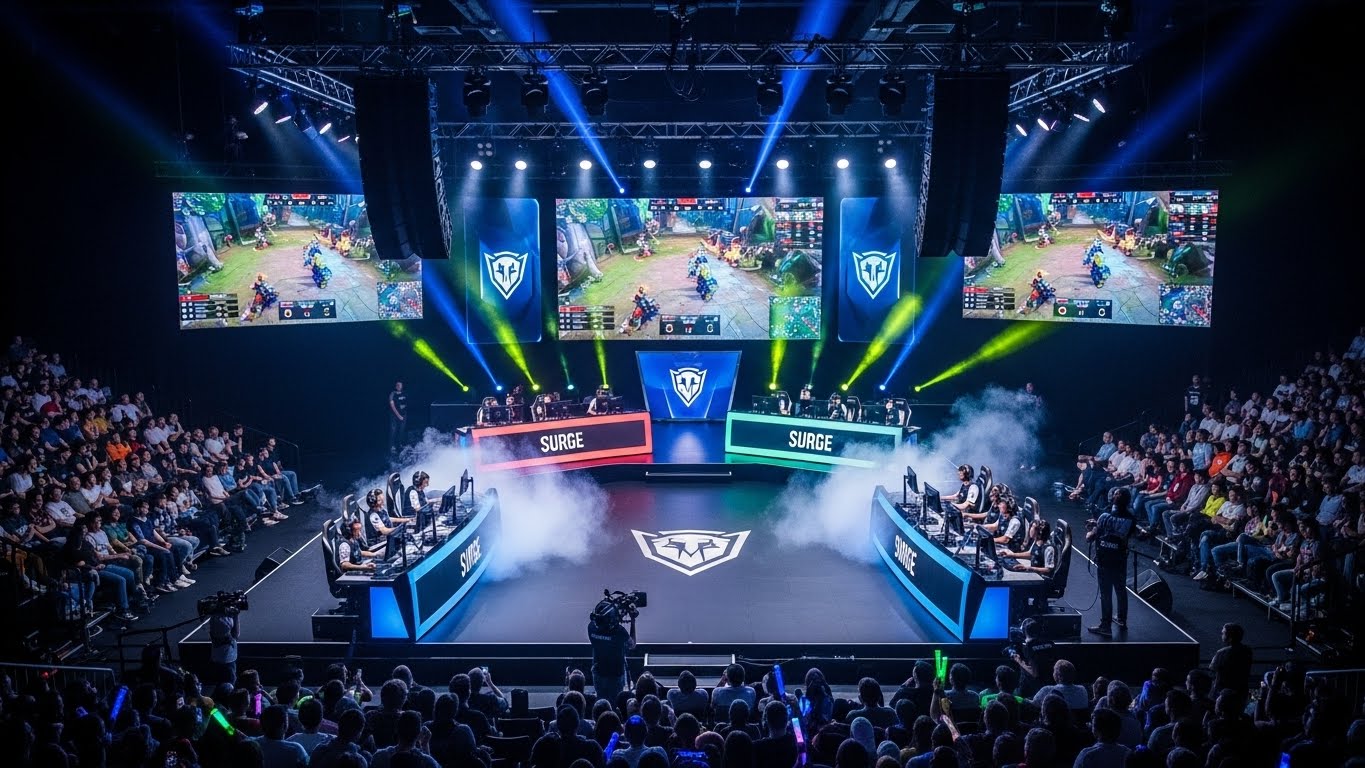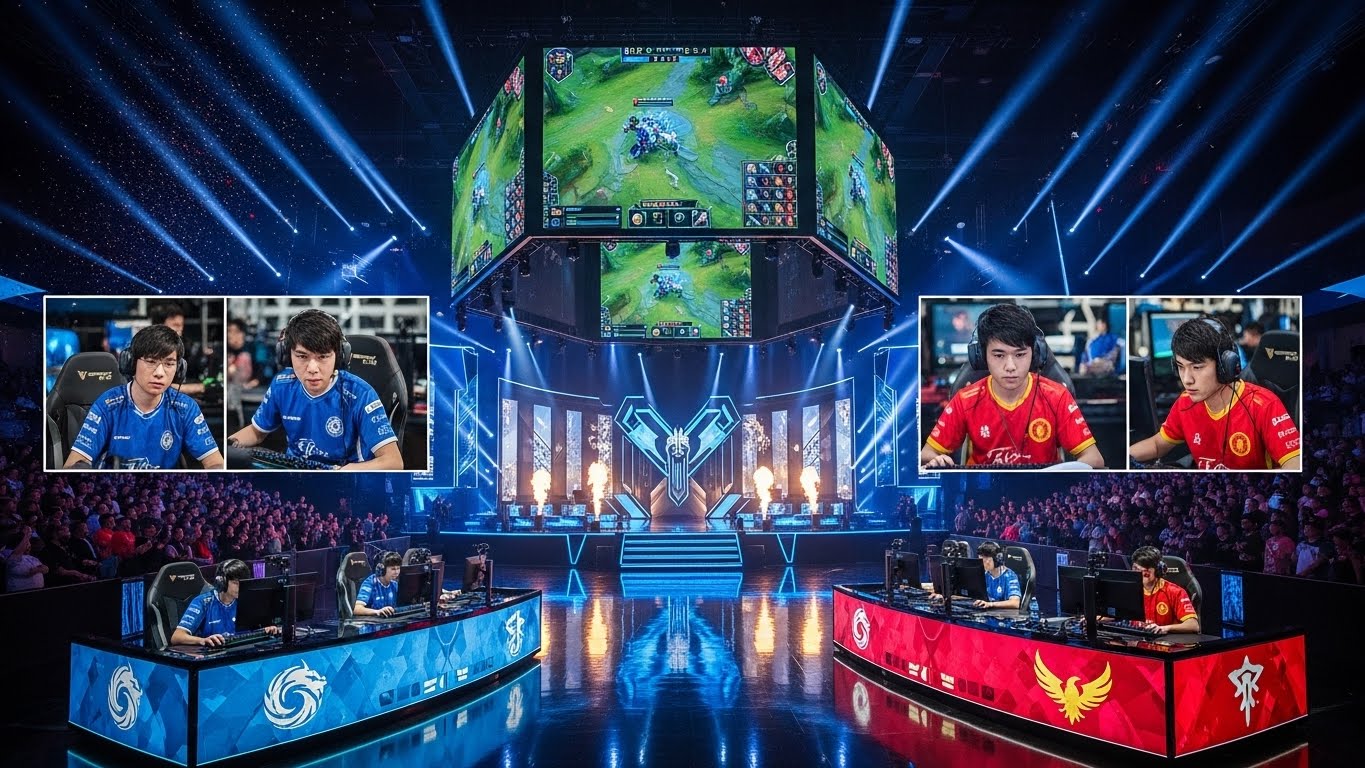
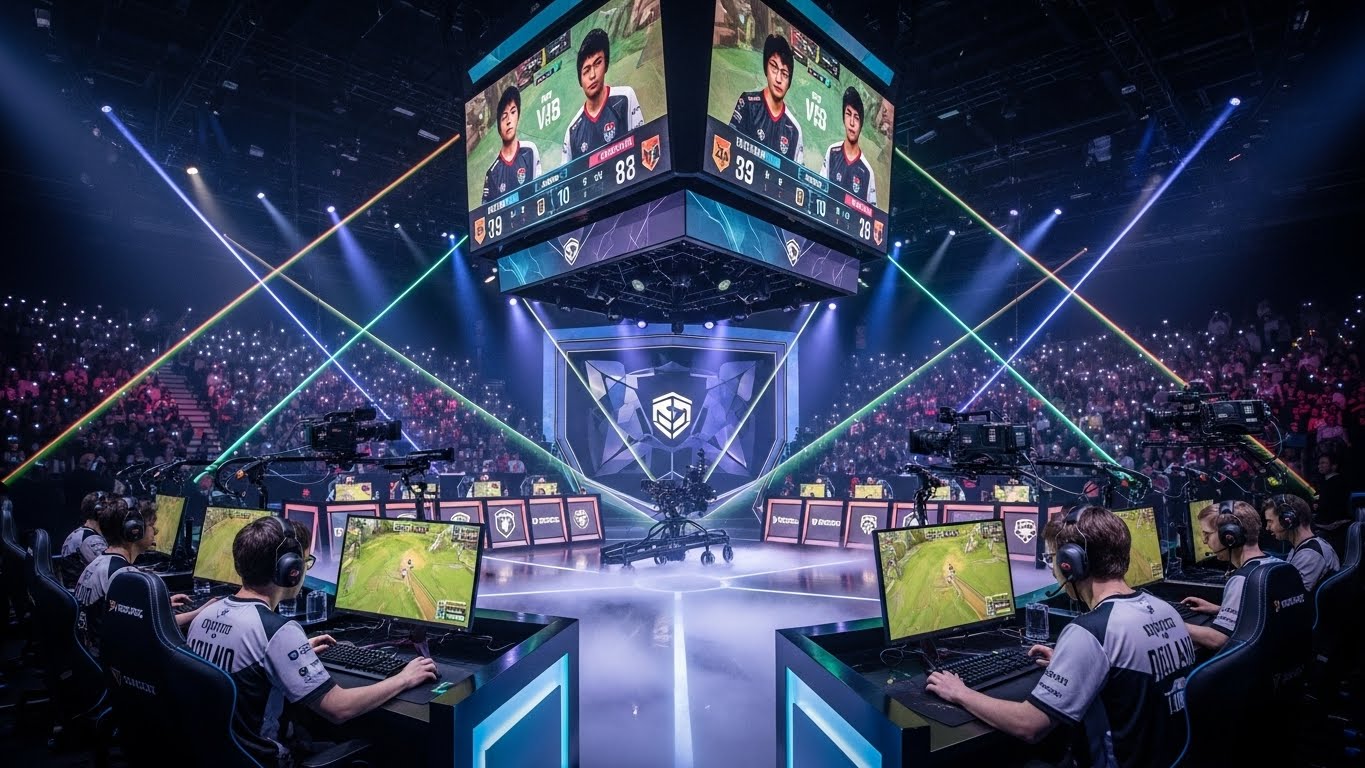
Esports has become one of the most dynamic and rapidly growing industries in the world today. What once started as a niche hobby for competitive gamers has now evolved into a billion-dollar global industry, attracting millions of viewers and players alike. With its widespread appeal and increasing visibility, esports has transformed from a subculture into a mainstream phenomenon. In this blog post, we’ll explore the evolution of esports, its impact on the gaming industry, the rise of professional leagues, and the future potential of this exciting sector.
What is Esports?
Esports, short for electronic sports, refers to competitive video gaming at a professional level. Esports players, often referred to as “pro gamers,” compete in organized tournaments and leagues, either as individuals or as part of a team, across a variety of popular video games. Some of the most well-known games in the esports scene include titles like “League of Legends,” “Dota 2,” “Counter-Strike: Global Offensive,” “Fortnite,” and “Overwatch.”
While esports itself has been around since the early days of online multiplayer gaming, its current form, as a large-scale, commercially successful industry, began to gain significant traction in the early 2000s. Esports tournaments are now held worldwide, with events attracting thousands of live attendees and millions more tuning in via online streaming platforms such as Twitch, YouTube, and Facebook Gaming.
The Evolution of Esports: From a Hobby to a Global Phenomenon
Esports has come a long way from its humble beginnings. In the early days of competitive gaming, tournaments were small, local affairs with limited audiences. Games like “Street Fighter” and “Quake” were among the first to host professional competitions, but the global reach of these events was minimal, and the prize pools were modest.
The turning point for esports came in the late 2000s and early 2010s when major companies began to invest in the potential of esports. Game developers realized that esports could be a way to expand the lifespan of their games and create dedicated communities around them. Riot Games, the developer behind “League of Legends,” was one of the early pioneers in creating a competitive ecosystem, and in 2011, they launched the first World Championship for the game, which set the stage for a larger-scale professional gaming scene.
As technology improved, so did the quality of esports tournaments. More powerful computers and faster internet speeds enabled better game performance and smoother online competitions. Streaming platforms like Twitch gave gamers the ability to watch live competitions from anywhere in the world, fostering a community of viewers and players who could engage with one another in real time. This increased visibility helped grow the esports community and attracted sponsors, investors, and advertisers.
The Commercialization of Esports
Esports has quickly grown into a massive global industry, with a range of business opportunities and revenue streams. Sponsorship deals with major brands like Coca-Cola, Intel, and Audi have played a key role in funding esports tournaments, teams, and events. This influx of corporate sponsorships has enabled tournament organizers to offer larger prize pools, as well as increased the overall professionalism and legitimacy of esports as a career path.
Moreover, the rise of esports broadcasting and streaming has become a lucrative business in its own right. Streaming platforms such as Twitch, YouTube Gaming, and Facebook Gaming have emerged as the primary mediums through which fans can watch live competitions. Professional gamers, many of whom have built sizable followings on these platforms, earn money through subscriptions, advertising, and sponsorships. The most successful esports personalities, such as Ninja and Shroud, have amassed millions of dollars through gaming-related ventures.
Along with streaming, esports betting has also become a growing industry. Just as traditional sports attract millions of dollars in bets, esports has tapped into the same market, with websites offering odds on everything from individual matches to entire tournaments. The rise of esports betting has not only attracted new viewers but also created a new revenue stream for the industry.
The Growth of Professional Esports Leagues
One of the key factors driving the success of esports is the establishment of professional leagues and teams. In traditional sports, leagues like the NFL, NBA, and FIFA create structured, competitive environments where athletes compete for championships and sponsorships. Esports has followed a similar model with leagues and organizations forming around specific games.
For example, the “League of Legends” Championship Series (LCS) is a professional league where teams compete in regional and international competitions, culminating in the World Championship. Similarly, the Overwatch League (OWL) brought a traditional sports franchise model to esports by establishing city-based teams, mirroring the success of the NBA or NFL.
These professional leagues are not only bringing structure and stability to esports but are also helping to legitimize it as a viable career path. Professional esports teams often have coaches, analysts, and other staff members who help players hone their skills, just like traditional sports teams. In addition, sponsorships and lucrative contracts are attracting top-tier talent from around the world, further fueling the growth of the industry.
The Rise of Esports Universities and Scholarships
The professionalization of esports has also led to the creation of dedicated esports programs at universities and colleges. Many institutions now offer scholarships to aspiring esports athletes, recognizing that gaming skills can be just as valuable as traditional athletic abilities. Esports programs at universities have become increasingly competitive, offering training, facilities, and coaching to students who want to pursue a career in professional gaming.
As the demand for professional esports players continues to rise, educational institutions are stepping up to meet the needs of aspiring gamers. The establishment of esports majors and minors at universities allows students to gain valuable knowledge about the industry, including game design, event management, marketing, and broadcasting. This growth in academic interest further legitimizes esports and helps to create a sustainable pipeline of talent for the future.
The Global Appeal of Esports
One of the most striking aspects of esports is its global appeal. Unlike traditional sports, which often have regional or national boundaries, esports transcends geographic barriers, uniting fans from different cultures and backgrounds. The universal accessibility of online gaming and the ability to stream tournaments globally has allowed esports to become a truly international phenomenon.
Esports is particularly popular in regions like North America, Europe, and Asia. In countries like South Korea, esports is treated with a level of reverence similar to that of traditional sports. Major cities like Seoul have dedicated esports arenas, and professional players are regarded as celebrities, with fanbases and sponsorships comparable to those of mainstream athletes.
In China, esports is a multi-billion-dollar industry, with thousands of players and millions of fans. The country’s government has supported the growth of esports by designating it as an official sport, while local companies like Tencent have invested heavily in esports infrastructure.
In addition to traditional gaming powerhouses, emerging markets in Latin America, the Middle East, and Africa are starting to embrace esports, creating new opportunities for growth in these regions. Global tournaments, such as the “League of Legends” World Championship, often feature international teams, allowing fans from around the world to root for their favorite players and countries.
The Future of Esports
The future of esports is incredibly promising. As the industry continues to evolve, several trends are expected to shape its growth.
1. Virtual Reality (VR) and Augmented Reality (AR) Integration
The integration of VR and AR technologies into esports could revolutionize the way games are played and experienced. VR esports, where players compete in immersive virtual environments, is already being explored, and it’s likely that more mainstream games will incorporate these technologies in the future. Imagine watching a live esports tournament from the perspective of the players, or even competing in fully immersive virtual environments — the possibilities are limitless.
2. Cross-Platform Play
The future of esports could involve more cross-platform play, allowing players on different consoles or devices to compete against one another. This would not only increase the player pool but also foster a more inclusive and diverse gaming community.
3. Increased Corporate Investment
As esports continues to grow, more corporations will likely invest in the industry, not just for advertising, but also for creating long-term partnerships and branded content. This influx of capital could help fund bigger tournaments, higher prize pools, and better production quality, making esports even more entertaining to watch.
4. Mainstream Media Coverage
As esports gains in popularity, traditional media outlets may begin to dedicate more resources to covering the industry. Esports could eventually find its place alongside traditional sports in mainstream networks, offering more exposure and potential revenue.
5. More Diverse Games and Genres
While MOBAs, first-person shooters, and battle royales dominate the esports scene today, other genres like racing games, sports simulations, and fighting games are also gaining traction. We could see the rise of new esports disciplines in the years to come, expanding the diversity of the ecosystem.
Conclusion: A Thriving Digital Culture
Esports has transformed from a niche subculture into a global phenomenon, with millions of fans and players engaging in competitive gaming at the highest level. With its growing commercial potential, increasing visibility, and professionalization, esports is set to continue its rise in the entertainment industry. As technology advances and more markets embrace the sport, esports will undoubtedly play an even larger role in the future of digital entertainment.
Esports is no longer just a hobby — it’s a movement, one that has changed the way we think about gaming, competition, and professional careers. Whether you’re a gamer or a fan, it’s clear that esports is here to stay, and its impact on entertainment and culture will only continue to expand in the years ahead.