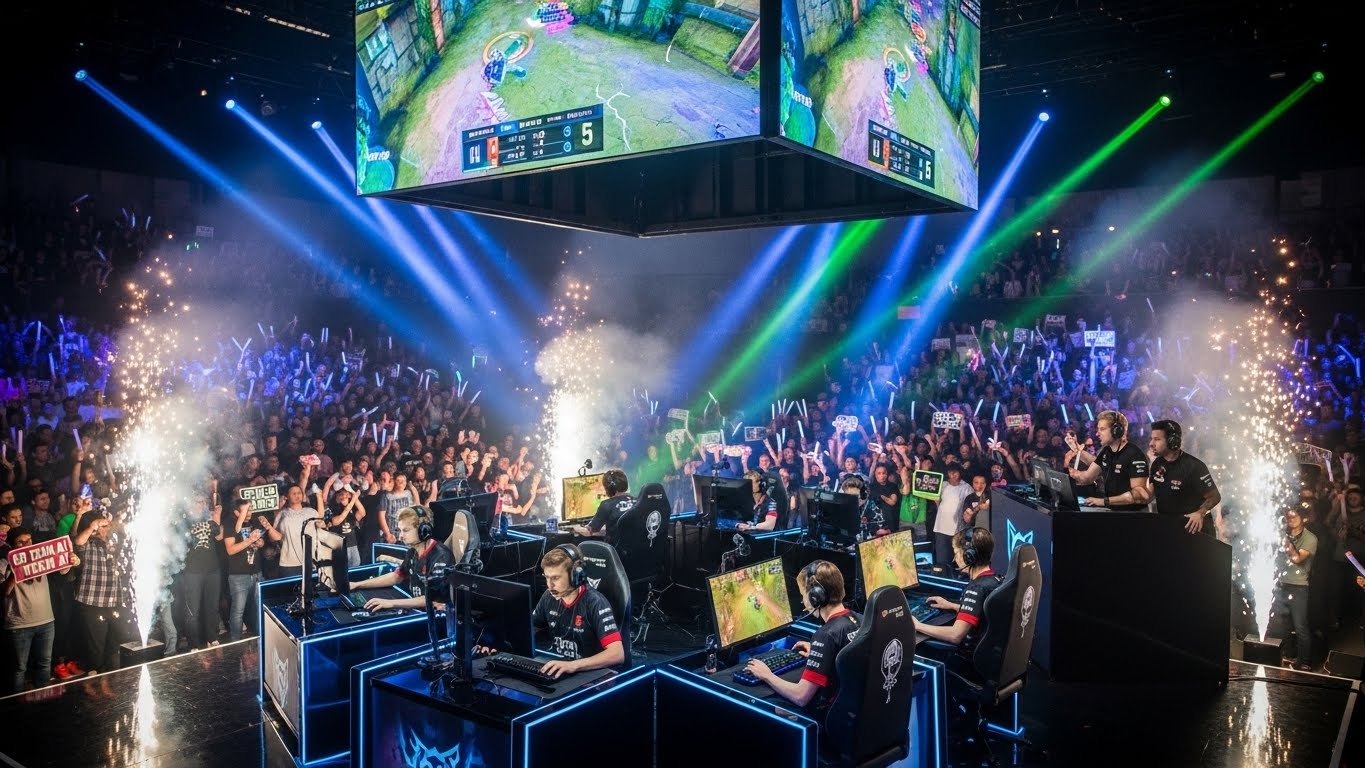
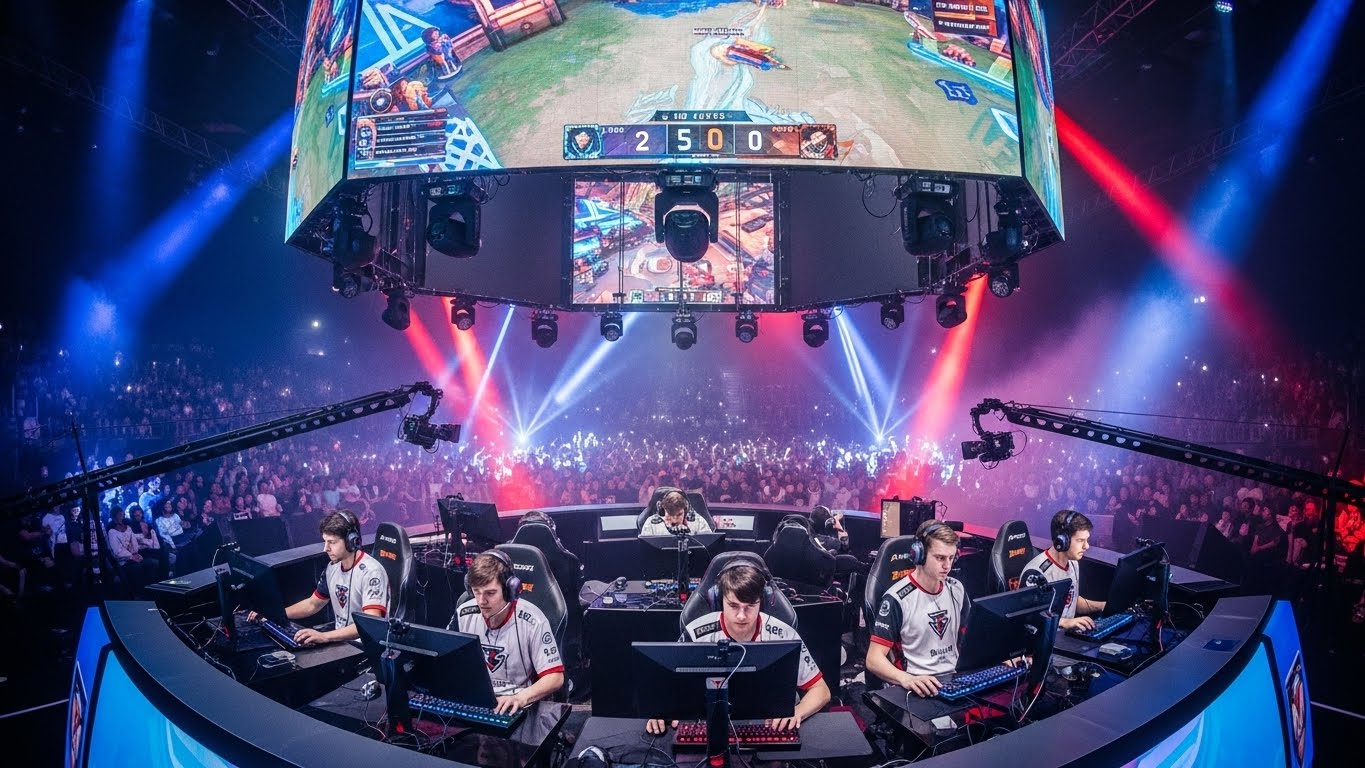
In just a few short years, esports has evolved from a niche hobby into a global entertainment juggernaut. From small local tournaments to multi-million-dollar events with millions of viewers, the rise of competitive gaming has changed the landscape of both the gaming and entertainment industries. What once was a pastime for passionate gamers has now become a multi-billion-dollar industry, attracting sponsors, advertisers, professional athletes, and even traditional sports organizations. This blog post delves deep into the rise of esports, its transformation into a global phenomenon, the business behind it, and what the future holds for this dynamic and rapidly evolving world.
What Is Esports?
Esports, short for electronic sports, refers to organized, multiplayer video game competitions, particularly between professional players or teams. These tournaments can be held both online and in physical arenas, and they typically feature games that demand strategic thinking, skill, and teamwork. From League of Legends (LoL) and Dota 2 to Counter-Strike: Global Offensive (CS:GO) and Fortnite, esports spans a wide variety of gaming genres. While esports includes both individual and team-based games, it is the team competitions, with their intricate strategies and fast-paced action, that tend to attract the largest audiences.
What sets esports apart from casual gaming is the level of competition and professionalism involved. Esports players aren’t just individuals playing for fun—they are highly trained athletes who compete in tournaments that offer substantial cash prizes, sponsorship deals, and worldwide recognition.
The Humble Beginnings of Esports
While the concept of competitive gaming can be traced back to the late 20th century, esports as we know it today began to take shape in the late 1990s. Early competitive games like Quake and StarCraft drew gamers from around the world, leading to the first tournaments. These early events were smaller in scale and generally took place in local or regional settings. However, the foundation for esports was laid during this period, particularly in South Korea, where StarCraft became a national obsession.
In the early 2000s, as broadband internet became more accessible, online multiplayer games gained significant popularity, and the first dedicated esports leagues started emerging. Warcraft III, Counter-Strike, and World of Warcraft were among the titles that fueled the initial competitive gaming movement. During this time, organizations like Major League Gaming (MLG) began hosting tournaments in the United States, and games like League of Legends started to shape the modern esports ecosystem.
The Explosion of Esports in the 2010s
The real breakthrough for esports occurred in the 2010s. The launch of live-streaming platforms, most notably Twitch, provided a powerful avenue for gamers to showcase their skills and connect with a global audience. Players no longer needed to be in the same room to compete; they could broadcast their gameplay online to thousands—sometimes millions—of viewers. This shift allowed esports to rapidly expand its fanbase beyond traditional borders, fostering a global community that was previously unimaginable.
The League of Legends World Championship, first held in 2011, proved to be a pivotal moment. The championship drew over 1 million concurrent viewers, a number that was unheard of for gaming events at the time. It demonstrated the vast potential of esports as an entertainment medium and set the stage for larger tournaments and bigger prizes in the years to come. As esports events began to reach larger audiences, so did the interest from major sponsors and advertisers. Companies like Coca-Cola, Intel, and Red Bull became deeply involved in esports, helping to elevate its visibility and credibility.
During this time, esports also expanded to other genres, including first-person shooters like Counter-Strike: Global Offensive and battle royale games such as Fortnite. These games attracted not only a new generation of players but also a diverse group of viewers who were eager to follow their favorite players and teams.
The Business Side of Esports
Esports is no longer just about gaming—it’s a serious business. The global esports industry is projected to surpass $1.5 billion in revenue in the next few years, with advertising, sponsorships, media rights, and merchandise contributing significantly to the revenue streams. The increasing commercialization of esports has brought it in line with traditional sports, where sponsorship deals and broadcasting rights are critical to its success.
One of the most lucrative aspects of esports is the sponsorship deals. Major brands like Adidas, Audi, and BMW have partnered with top esports teams to promote their products and services. These partnerships are especially attractive to brands looking to tap into the millennial and Gen Z demographics, who are known for their enthusiasm for gaming and esports.
Media rights also play a pivotal role in the financial success of esports. Platforms like Twitch, YouTube Gaming, and Facebook Gaming provide a place for esports events to be streamed live to millions of viewers. Some esports leagues have secured deals with traditional broadcasters like ESPN to air major tournaments, and this media presence helps make esports more accessible to a wider audience. The visibility gained from these broadcasts also attracts further investment and sponsorship.
Additionally, ticket sales for live events, streaming subscriptions, and merchandising all contribute to the growing financial ecosystem of esports. Esports fans are known for their loyalty to their favorite teams and players, often purchasing jerseys, posters, and other team-related merchandise to show their support.
Esports as a Career Path
For a growing number of young people around the world, esports has become a viable career. Becoming a professional esports player is no longer just a dream but a reality for those with enough talent, dedication, and perseverance. Players can earn money through tournament winnings, sponsorship deals, streaming platforms like Twitch, and even social media.
Top players in games like Dota 2, Fortnite, and CS:GO can make millions of dollars annually, depending on tournament prizes and sponsorships. The International, an annual Dota 2 tournament, consistently has one of the largest prize pools in the world, with individual players taking home multi-million-dollar rewards.
However, the road to becoming a professional esports player is not without challenges. Success requires intense training, often more than 10 hours a day, practicing specific in-game strategies, fine-tuning mechanical skills, and staying updated with the latest patches and game updates. Many top players begin their careers at a young age, sometimes as young as 14 or 15, and spend years honing their craft in order to compete at the highest level.
But professional players are just one part of the esports ecosystem. Behind every successful esports team are coaches, analysts, content creators, marketing specialists, and event organizers who work together to ensure that the ecosystem functions smoothly. These individuals contribute to making esports a multifaceted industry that offers career opportunities in a range of fields.
The Role of Streaming in Esports
One of the key drivers behind the growth of esports has been the advent of live streaming. Platforms like Twitch and YouTube Gaming have made it possible for players to stream their gameplay and interact with fans in real-time. This has opened up a new avenue for players to monetize their skill, offering opportunities for fans to support their favorite streamers through donations, subscriptions, and merchandise purchases.
Live streaming has allowed esports to expand beyond the confines of a traditional event space. Viewers can now watch their favorite players compete from the comfort of their homes, and they can engage with the gaming community in ways that were previously not possible. This level of interactivity and accessibility has helped solidify esports as a form of entertainment in its own right, rivaling traditional sports for viewership.
Furthermore, streaming has contributed to the growth of esports fandoms. Much like how sports fans rally behind their favorite teams, esports fans are deeply connected to the players and teams they support. They follow streamers, attend tournaments, and even participate in fan events and online communities, creating a sense of belonging within the esports ecosystem.
The Global Appeal of Esports
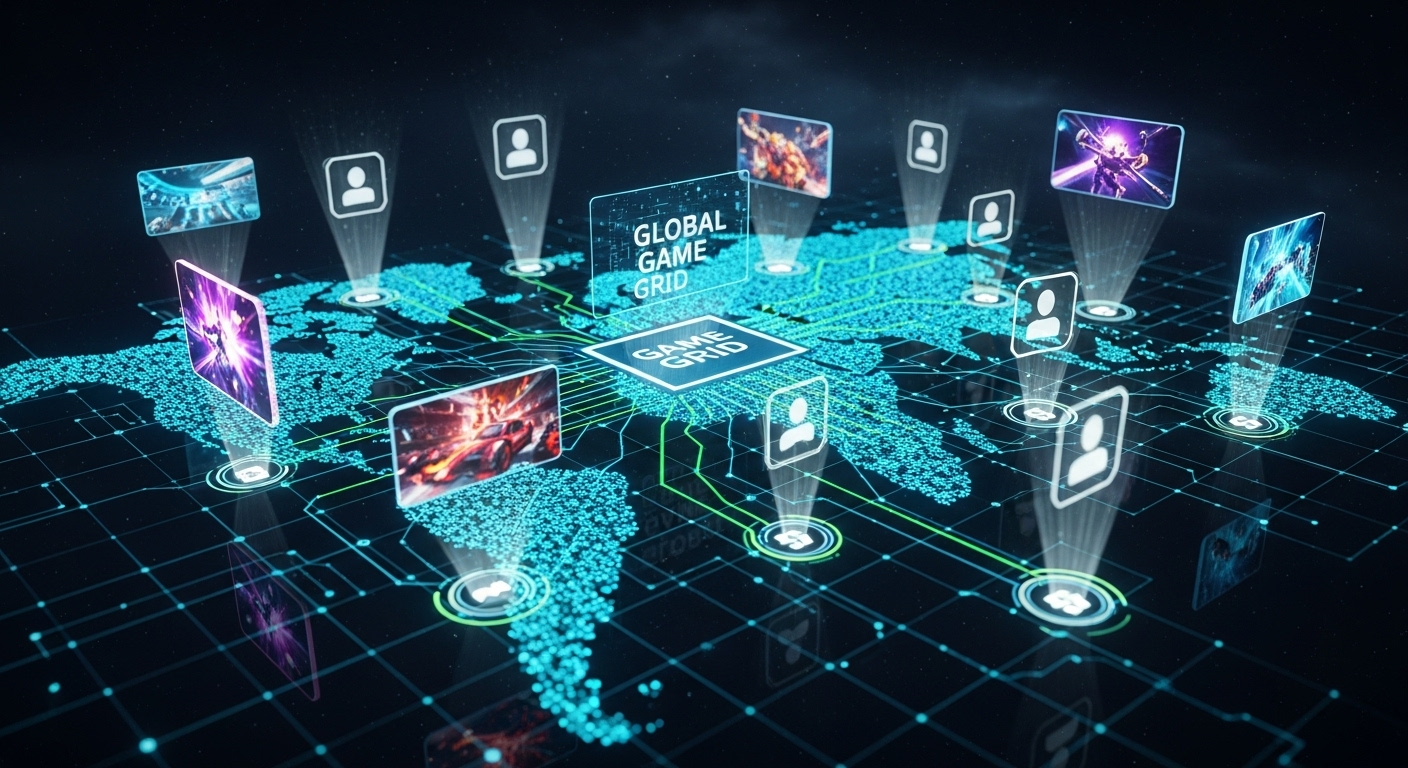
One of the most remarkable aspects of esports is its universal appeal. Unlike traditional sports, which are often geographically or culturally limited, esports transcends borders. Fans from all over the world can watch the same tournaments, cheer for the same teams, and follow their favorite players regardless of location.
Countries such as South Korea, China, and the United States have long been hubs for competitive gaming, but esports has gained immense popularity in other regions as well. Southeast Asia, Europe, and Latin America are rapidly growing esports markets, and the Middle East is quickly emerging as an important player in the global esports scene.
The global nature of esports has led to the development of international tournaments where the best teams from all over the world compete for prestigious titles and large prize pools. Tournaments like the League of Legends World Championship, the Overwatch League, and The International are watched by millions of fans worldwide, bringing together a diverse audience from every corner of the globe.
What’s Next for Esports?
The future of esports looks incredibly promising. With increasing investment from major corporations, traditional sports organizations, and media companies, esports is poised to continue its growth. The integration of emerging technologies such as virtual reality (VR), augmented reality (AR), and blockchain could revolutionize the way esports is played and consumed. Virtual reality, in particular, has the potential to take esports to a new level, providing a more immersive experience for both players and fans.
Moreover, the inclusion of esports in major global sporting events—such as the Asian Games and potentially the Olympics in the near future—could provide further legitimacy to the industry and help it reach even broader audiences.
The esports ecosystem is also likely to continue expanding, with new games, platforms, and markets emerging. As technology improves and new forms of competition arise, the esports landscape will undoubtedly evolve, creating new opportunities for players, teams, and fans alike.