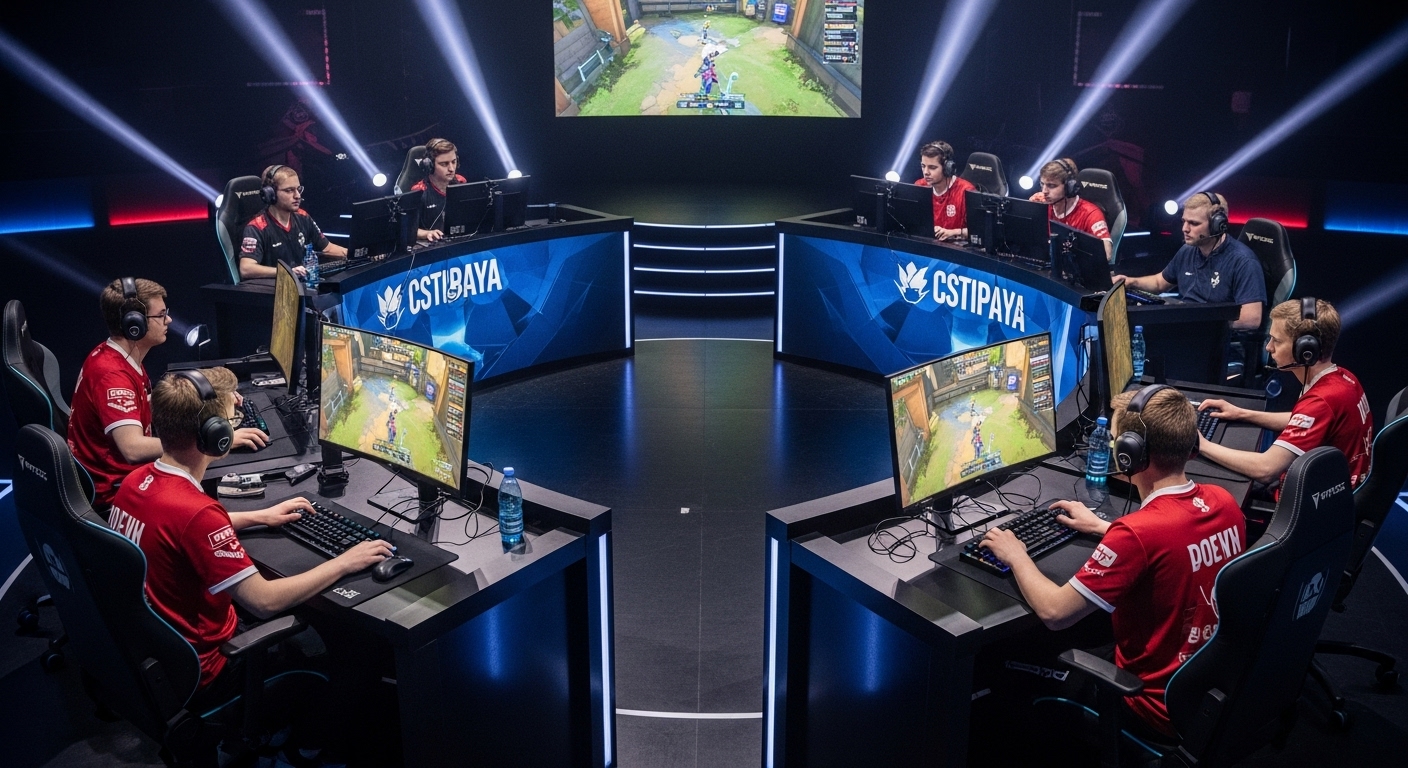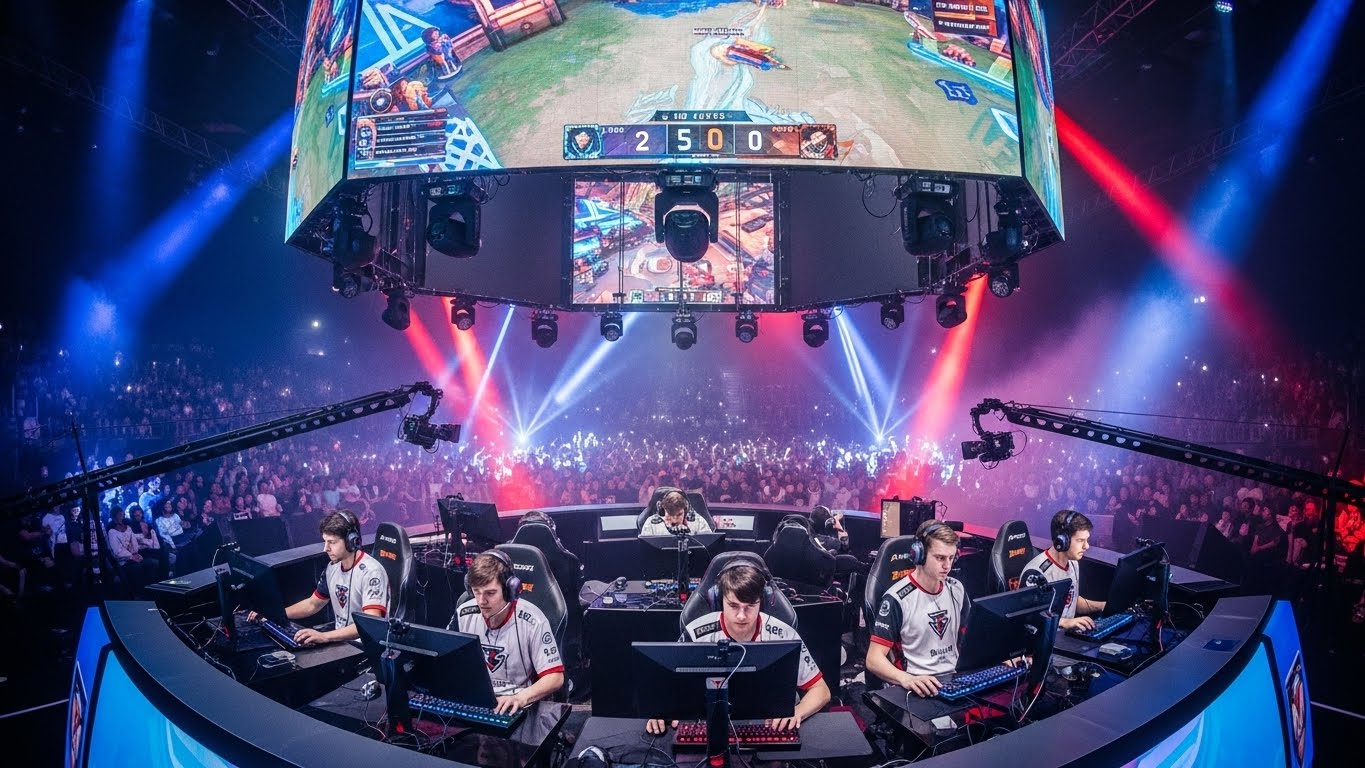
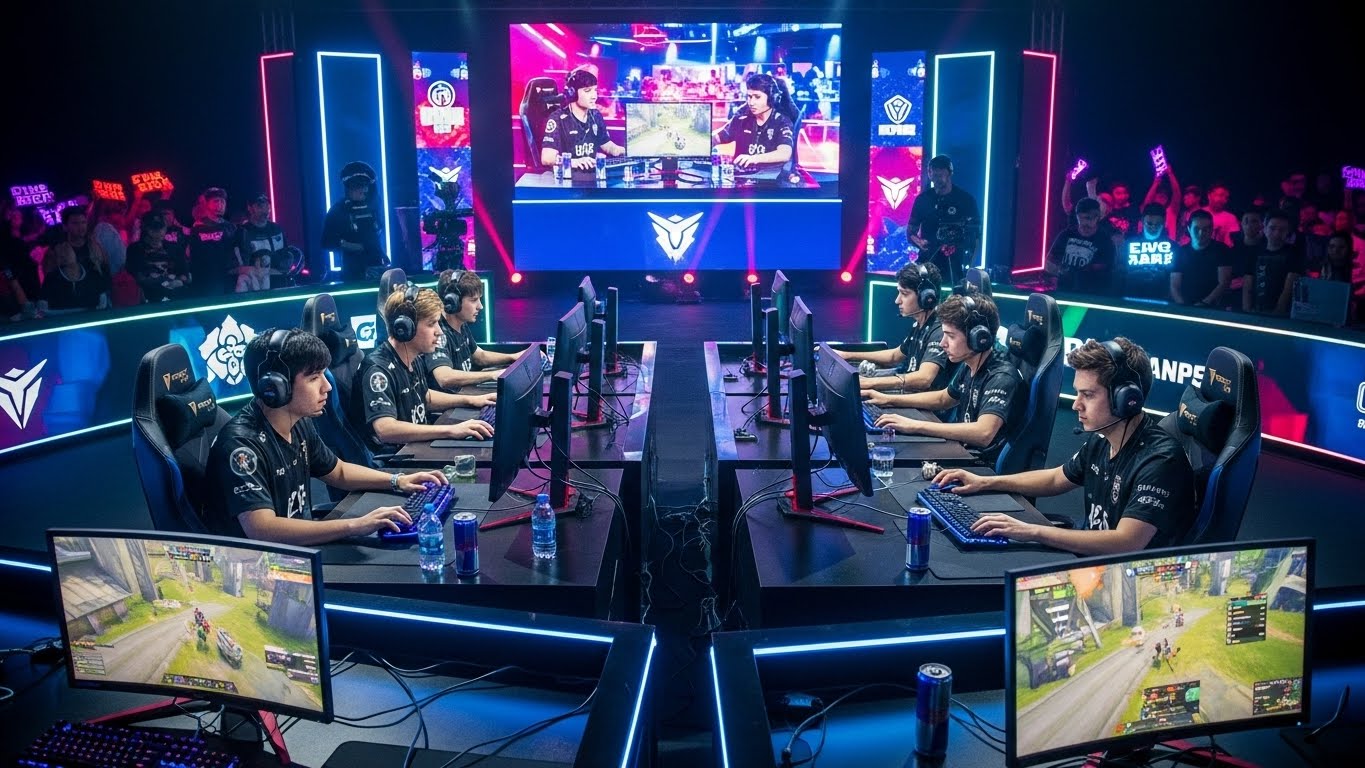
Esports, short for electronic sports, has evolved dramatically over the last two decades, shifting from a niche hobby to a globally recognized competitive phenomenon. What began as small-scale tournaments for video games has now blossomed into a multi-billion-dollar industry with massive sponsorships, professional leagues, and audiences that rival those of traditional sports. In this blog post, we will explore the rise of esports, the factors that have contributed to its meteoric growth, the impact it has had on the entertainment industry, and what the future might hold for competitive gaming.
The Early Days of Esports: Humble Beginnings
The origins of esports can be traced back to the 1990s when competitive gaming was primarily confined to local LAN (Local Area Network) parties and tournaments. Games like Street Fighter, Doom, and Warcraft were early pioneers of competitive play, with players engaging in face-to-face tournaments or over local networks. While these events were small and informal, they laid the groundwork for what would later become a global industry.
The first widely recognized competitive gaming event was the Red Annihilation tournament in 1997, which featured the game Quake. The winner, Johnathan “Fatal1ty” Wendel, went on to become one of the most famous esports personalities in history. However, it wasn’t until the early 2000s, with the advent of faster internet speeds and more sophisticated multiplayer games, that esports began to gain real momentum. Online gaming platforms such as Battle.net and Xfire enabled players to connect with others across the globe, allowing for a new level of competition and accessibility.
As broadband internet became more widespread and gaming consoles like PlayStation and Xbox gained popularity, competitive gaming expanded to new levels. Games like Counter-Strike, Warcraft III, and StarCraft became central to the esports ecosystem, drawing thousands of fans and competitors to major tournaments and events. The early 2000s marked the beginning of esports’ transition from hobbyist activities to the global competitions we recognize today.
The Rise of Streaming: Bringing Esports into the Spotlight
One of the most transformative developments in the world of esports has been the rise of streaming platforms, particularly Twitch. Launched in 2011, Twitch allowed gamers to broadcast their gameplay live to an audience. This was a game-changer for esports, providing a platform where fans could watch high-level competitive gaming in real-time, no matter where they were located.
Streaming platforms allowed players to not only showcase their skills but also to build dedicated fanbases. The ability to interact with viewers through live chats and social media created a new type of community around esports. Top streamers like Ninja, Shroud, and Pokimane have become celebrities in their own right, attracting millions of followers and creating lucrative sponsorship opportunities with major brands. For fans, Twitch and other platforms provide unparalleled access to professional gaming, with live broadcasts of tournaments, behind-the-scenes content, and player interaction.
The success of platforms like Twitch also led to the development of esports-specific broadcasting networks. Companies like ESL (Electronic Sports League) and DreamHack began streaming major tournaments and events online, giving esports the visibility it needed to attract mainstream sponsors and investors. With millions of viewers tuning in to watch their favorite teams and players compete, esports entered a new phase of growth.
Professional Esports Leagues: The Birth of a New Industry
As esports continued to gain popularity, it became clear that the scene needed more structure and organization. This led to the formation of professional esports leagues, modeled after traditional sports leagues like the NBA or NFL. The first of these leagues, the League of Legends Championship Series (LCS), was launched in 2013. LCS marked a turning point for esports, providing a platform for top-tier players to compete in an organized and consistent manner.
Other games quickly followed suit. The Overwatch League (OWL) debuted in 2018, providing a team-based, city-centric league for the popular Overwatch game. CS:GO (Counter-Strike: Global Offensive) also saw the creation of professional circuits like the CS:GO Major Championships, which feature millions of dollars in prize money and attract some of the best teams from around the world.
These professional leagues created new career opportunities for players, coaches, analysts, and team managers. Players could now sign contracts with organizations, receive salaries, and travel the world to compete in high-stakes tournaments. The creation of these leagues also brought more stability to the industry, making it easier for sponsors, investors, and broadcasters to commit to esports.
The development of professional leagues had another important consequence: it solidified esports as a legitimate form of entertainment. No longer was it just a collection of casual players; esports had become a fully-fledged, competitive ecosystem where top-tier athletes competed for huge prizes and global recognition.
Esports: A New Era of Sponsorships and Revenue
Esports has become an economic powerhouse, with revenues reaching billions of dollars annually. According to recent reports, the global esports market was valued at over $1 billion in 2020, and projections suggest that the market will continue to grow at an impressive rate. A significant portion of this revenue comes from sponsorships, broadcasting rights, merchandise sales, and advertising.
Corporate sponsorship has played a massive role in the success of esports. Non-endemic brands—companies that have little to do with gaming—have recognized the immense reach of esports and have jumped on board. Major companies such as Coca-Cola, Intel, Mercedes-Benz, and Red Bull have all invested heavily in esports, sponsoring events, teams, and even individual players.
These sponsorship deals not only provide financial support but also help to legitimize esports in the eyes of the public. When traditional companies align themselves with esports, it sends a clear message that the industry has grown beyond a subculture and has entered the mainstream. As esports continues to mature, the influx of sponsors from various industries will only increase, fueling further growth and innovation.
In addition to sponsorships, the sale of broadcasting rights has become a significant source of revenue for esports organizations. Streaming platforms like Twitch and YouTube Gaming have paid for exclusive rights to stream major tournaments and leagues, while cable and satellite networks are beginning to air esports events as well. This wider distribution has helped esports reach a broader audience, making it accessible to fans who may not have internet access or prefer to watch on traditional television.
The Global Appeal of Esports
One of the most remarkable aspects of esports is its global appeal. Unlike traditional sports, which may have regional followings, esports transcends geographic boundaries. Whether it’s League of Legends, Dota 2, Fortnite, or Valorant, esports attracts players and fans from every corner of the world. Major esports tournaments are often held in large international cities, with participants traveling from multiple continents to compete.
The League of Legends World Championship and The International for Dota 2 are two of the most prestigious and highly anticipated events in the esports calendar, drawing millions of viewers and offering multi-million-dollar prize pools. These tournaments not only showcase the best players but also highlight the global nature of esports. Fans from North America, Europe, Asia, and beyond all tune in to cheer for their favorite teams, creating a truly international fan base.
The ability for players to compete against others from different countries has also helped to elevate esports to a global stage. In traditional sports, athletes are often limited by geography, competing within national or regional leagues. In esports, however, the internet allows players to compete on equal footing, regardless of where they are located. This has led to a unique camaraderie among gamers from all over the world, united by their love for competitive gaming.
Esports and the Future of Entertainment
As esports continues to grow, it is clear that it will play an increasingly important role in the entertainment industry. The rise of esports is indicative of the changing nature of entertainment, where digital and interactive experiences are becoming just as, if not more, popular than traditional media formats like television and film. The generation of gamers, who grew up watching and playing video games, are now the primary audience for esports. As this generation continues to mature, esports is poised to become an even larger part of the entertainment landscape.
One area of potential growth is the integration of esports with virtual and augmented reality (VR/AR). As VR and AR technologies advance, we could see the creation of fully immersive esports experiences that go beyond what is currently possible. Fans may be able to watch matches from the perspective of players or even interact with the game world itself, providing a new layer of engagement.
Another exciting possibility is the integration of esports into traditional sports broadcasting. We’re already seeing esports events being aired on sports networks, and this trend is likely to continue. As esports becomes more mainstream, the lines between digital and traditional sports will continue to blur, providing new opportunities for fans and advertisers alike.
Conclusion: Esports is Here to Stay
Esports has come a long way since its humble beginnings, evolving from a small-scale hobby to a global entertainment juggernaut. With professional leagues, sponsorships, and millions of fans worldwide, esports has firmly established itself as a legitimate and influential part of the entertainment industry. As the industry continues to grow and adapt to new technologies and platforms, there’s no doubt that esports will continue to captivate audiences for years to come.
For gamers, fans, and investors alike, the future of esports is filled with exciting possibilities. As the digital arena expands, it will reshape not only how we view competition but also how we engage with entertainment in the digital age. The rise of esports signals the dawn of a new era in competitive gaming, one that is global, immersive, and here to stay.