Introduction
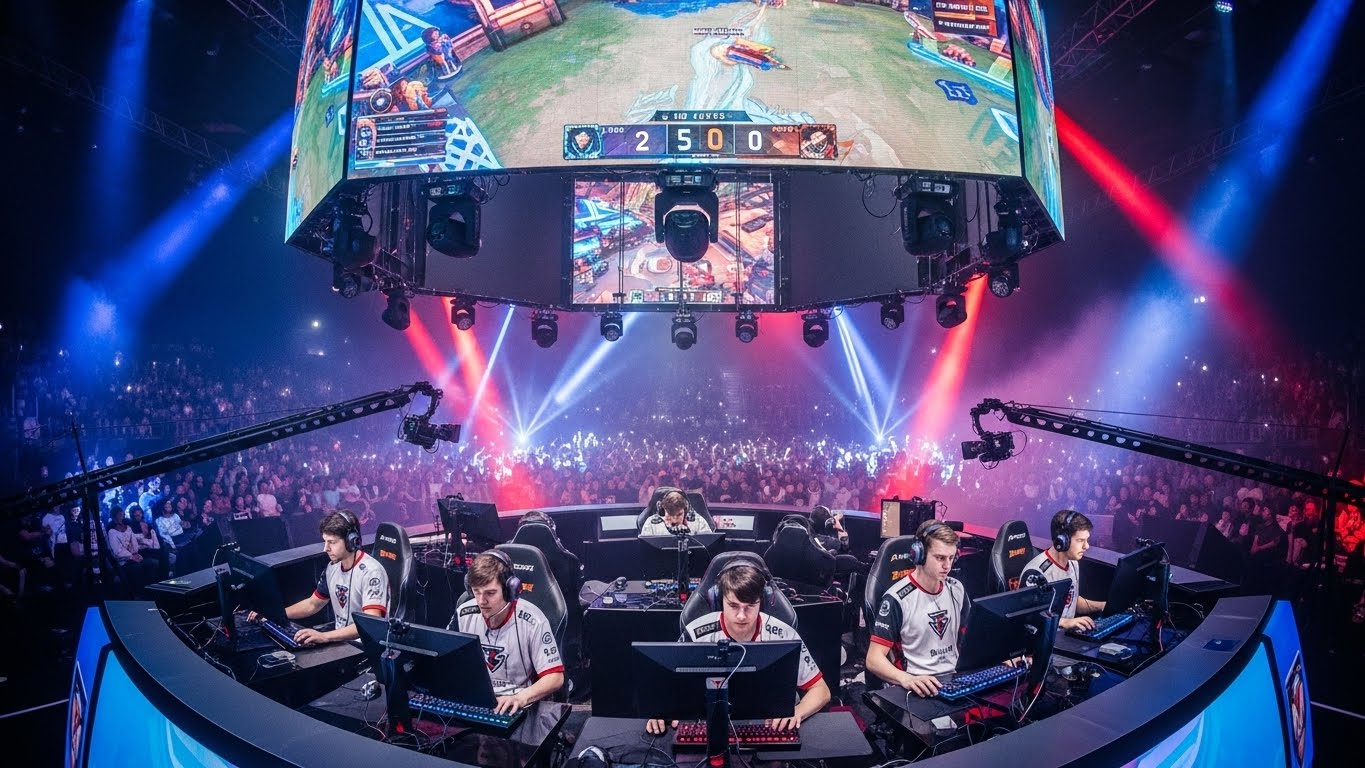
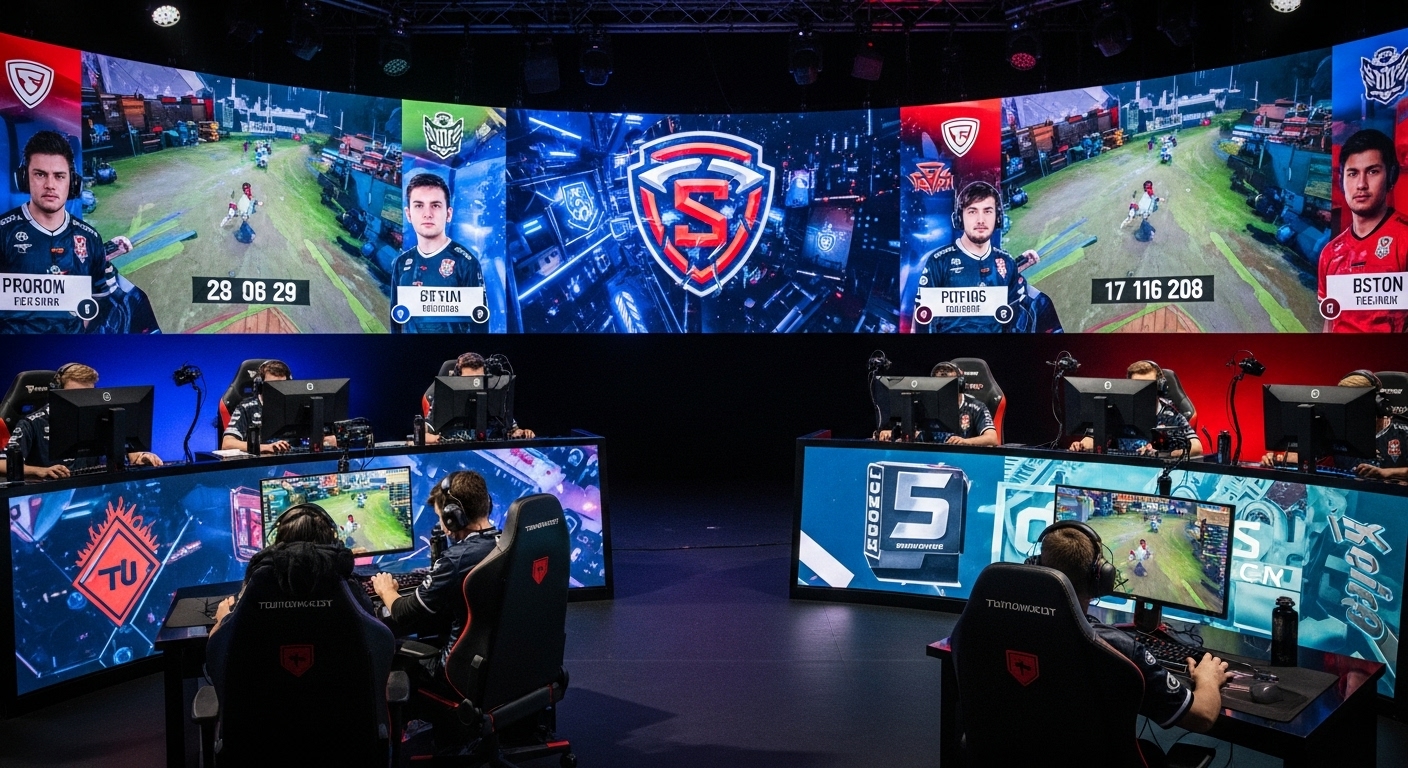
Esports, or competitive video gaming, has emerged as one of the most influential cultural and entertainment phenomena of the 21st century. Once viewed as a niche hobby, it has evolved into a professional industry with millions of viewers, multi-million-dollar tournaments, and global recognition. Esports is reshaping how we perceive competition, entertainment, and careers, attracting players, fans, and sponsors from all corners of the world. This blog explores the rise of esports, its impact on society, its economic significance, and what the future holds for this rapidly growing digital revolution.
The Origins of Esports
The origins of esports can be traced back to the 1970s and 1980s when arcade competitions became popular. Games like Pong, Space Invaders, and Pac-Man inspired early tournaments where players competed for high scores. These events fostered local gaming communities, creating a culture centered around skill, strategy, and competition.
In the 1990s, the emergence of personal computers and online connectivity revolutionized competitive gaming. Titles like StarCraft, Warcraft, and Counter-Strike allowed players to compete against each other in real-time across vast distances. These games laid the foundation for organized tournaments, ranking systems, and team-based competition—elements that define esports today.
The Global Explosion of Esports
In the 2010s, esports experienced unprecedented global growth. Popular titles such as League of Legends, Dota 2, Fortnite, and Call of Duty drew millions of viewers, both online and in physical arenas. Major tournaments began offering multi-million-dollar prize pools, drawing comparisons to traditional sports events in terms of scale and fan engagement.
Online streaming platforms played a pivotal role in this expansion. Fans could watch live matches, interact with players, and follow tournaments from anywhere in the world. This accessibility turned esports into a mainstream form of entertainment and contributed to the rise of esports celebrities and influencers.
The Structure of Competitive Gaming
Esports today operates with a level of professionalism comparable to traditional sports. Teams consist of players, coaches, analysts, and support staff. Training is rigorous, often involving hours of daily practice, strategy sessions, and performance reviews. Success in esports requires a combination of quick reflexes, strategic thinking, and teamwork.
Unlike traditional sports that emphasize physical endurance, esports challenges players’ mental agility, hand-eye coordination, and decision-making skills. The pressure of tournaments and the expectations of fans make professional esports a highly demanding career, requiring discipline, focus, and resilience.
The Role of Technology in Esports
Technology is the backbone of esports. High-performance computers, gaming consoles, peripherals, and ultra-fast internet connections are essential for competitive play. Streaming services, broadcasting software, and analytics platforms allow audiences to experience matches in real time, while also providing teams with insights to improve performance.
Emerging technologies like virtual reality, augmented reality, and artificial intelligence are beginning to influence esports. These innovations enhance player experiences, enable new forms of competition, and create more immersive spectator experiences, ensuring esports remains at the forefront of digital entertainment.
Esports as a Career
Esports has evolved into a legitimate career path. Professional players earn salaries, sponsorship deals, and prize money from tournaments. Beyond players, there are opportunities in coaching, event management, broadcasting, content creation, and game development.
Professional esports organizations operate much like traditional sports franchises. They invest in training facilities, provide wellness programs, and implement structured schedules for their players. The rise of esports as a career demonstrates the industry’s maturity and potential for long-term growth.
Youth Engagement and Education
Esports has a significant influence on youth, combining entertainment with skill development. Participation in competitive gaming improves cognitive abilities, strategic thinking, problem-solving skills, and hand-eye coordination. Many educational institutions now offer esports programs, scholarships, and tournaments, recognizing their potential for student growth.
Esports also fosters teamwork and leadership among young players. Collaborating with teammates to achieve objectives teaches communication, conflict resolution, and collaboration—skills that are transferable to academic and professional settings. By integrating esports into education, students can pursue their passion while developing valuable life skills.
Community and Social Interaction
Esports has built a global community that transcends borders. Online forums, streaming platforms, and social media allow fans, players, and content creators to interact, share strategies, and celebrate achievements. These digital communities create a sense of belonging and engagement for people worldwide.
Local esports leagues and tournaments also strengthen community ties. Players and fans gather in person, fostering social connections and collaboration. Esports encourages inclusivity, connecting people from diverse backgrounds through a shared passion for gaming.
Economic Impact of Esports
The economic impact of esports is substantial and continues to grow. Revenue streams include tournament prize pools, sponsorships, advertising, merchandise sales, and broadcasting rights. Large-scale tournaments generate tourism and stimulate local economies, while professional teams attract investment from global brands.
Esports also drives innovation in technology and digital entertainment. Hardware manufacturers, software developers, and media creators benefit from the expanding market. The industry provides jobs for coaches, analysts, event organizers, content creators, and marketers, making esports a significant contributor to the global digital economy.
Health and Well-Being in Esports
While esports is primarily a digital activity, physical and mental health are critical for players’ success. Professional gamers follow fitness routines, maintain ergonomic setups, and pay attention to nutrition. Mental health support is essential due to the stress and pressure of competitive gaming, and many organizations provide counseling and stress management resources.
Esports also promotes cognitive development. Strategy-based games enhance memory, reflexes, multitasking, and analytical thinking. When balanced with physical activity and healthy habits, esports provides both entertainment and intellectual stimulation.
The Future of Esports
The future of esports is promising and dynamic. Technological advancements, increasing investments, and growing mainstream recognition will continue to drive the industry’s expansion. Virtual reality, augmented reality, and AI may redefine gameplay, spectator experiences, and tournament structures.
Esports is also likely to merge with traditional sports in innovative ways, creating hybrid competitions and expanding fan engagement. The professionalization of esports, combined with educational initiatives, will ensure the industry remains sustainable and continues to cultivate talent worldwide.
Conclusion
Esports has transformed the way we view competition, entertainment, and technology. From its early days in arcades to its current status as a global industry, esports demonstrates that gaming can be professional, culturally significant, and economically impactful.
Esports inspires youth, builds communities, drives economic growth, and offers career opportunities. It combines skill, strategy, teamwork, and technological innovation, engaging millions worldwide. As the industry continues to grow, esports will redefine how we play, watch, and interact with digital entertainment.
For players and fans alike, esports is not just a game. It is a movement, a profession, and a cultural revolution, reflecting the limitless potential of human creativity, competition, and connection in the digital age.