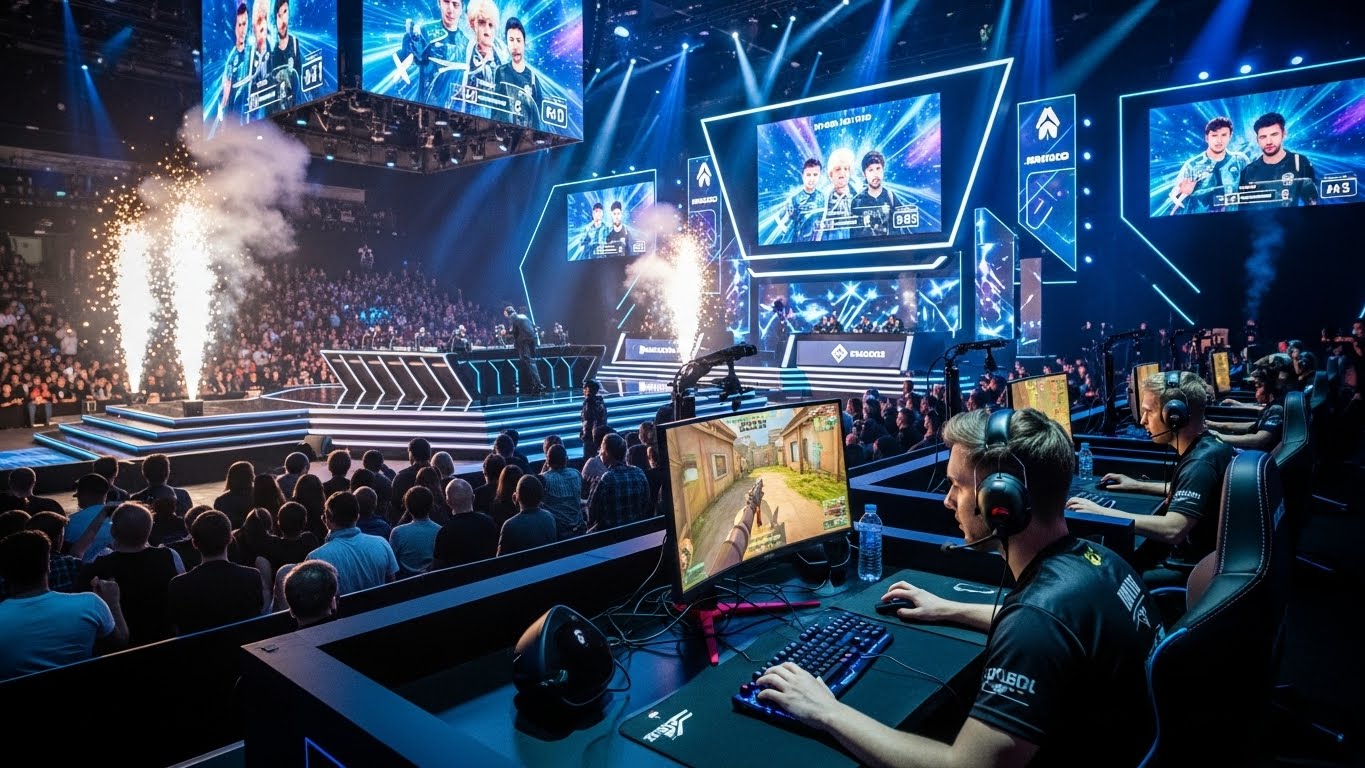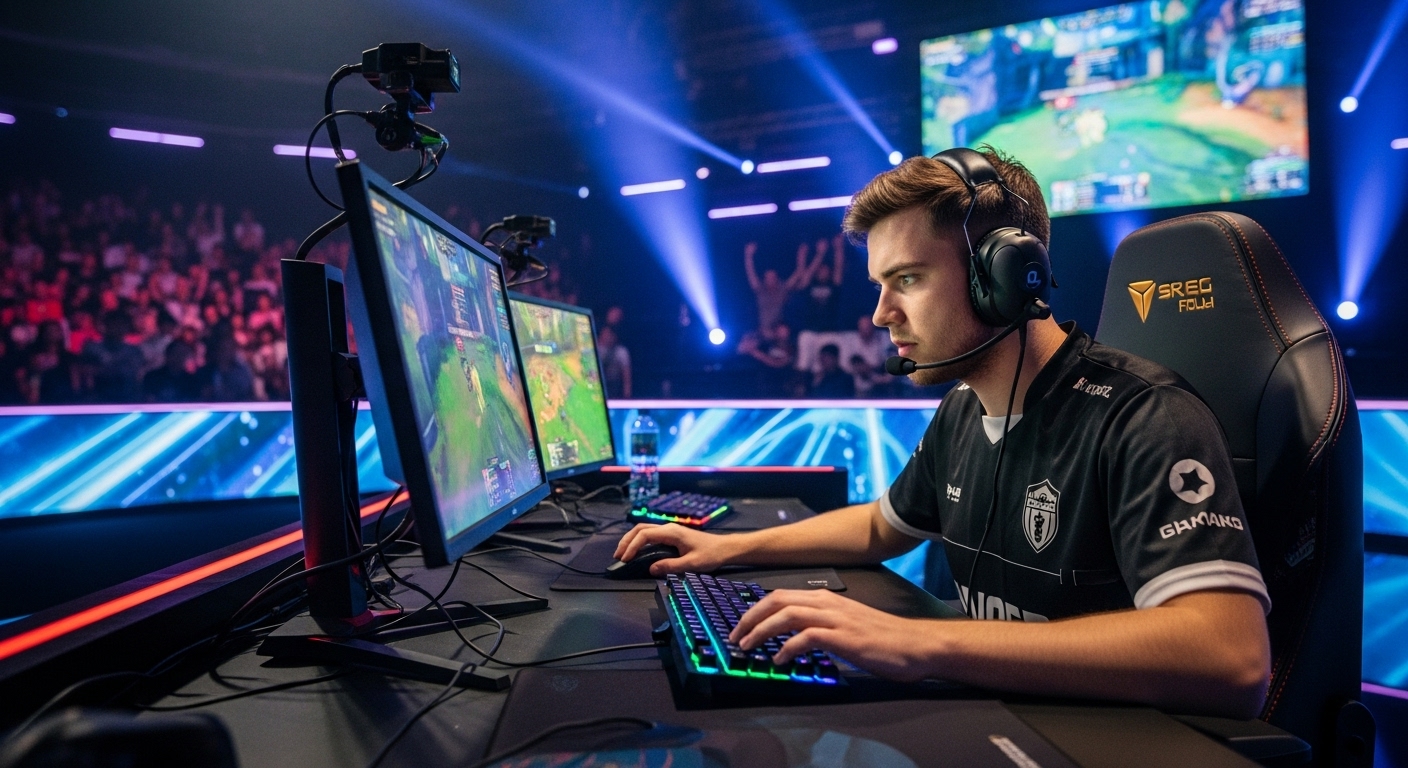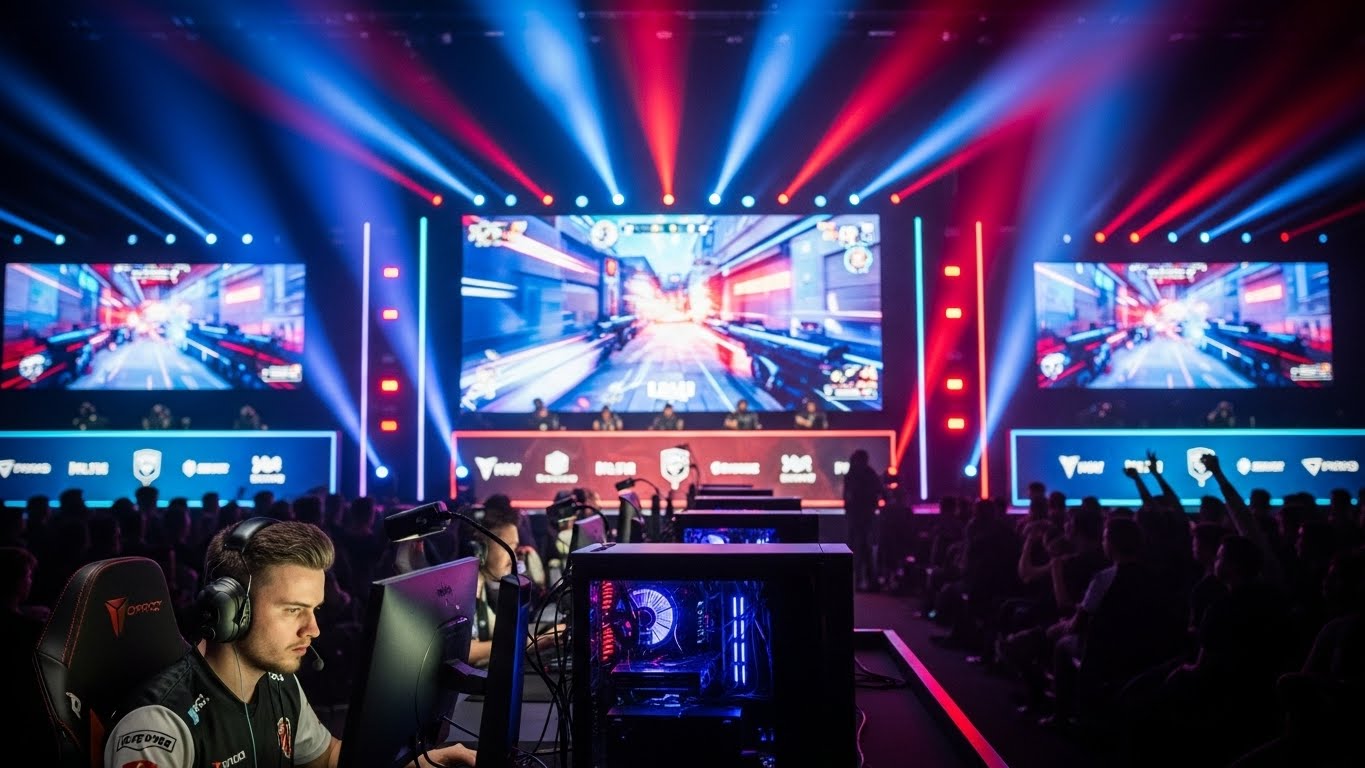
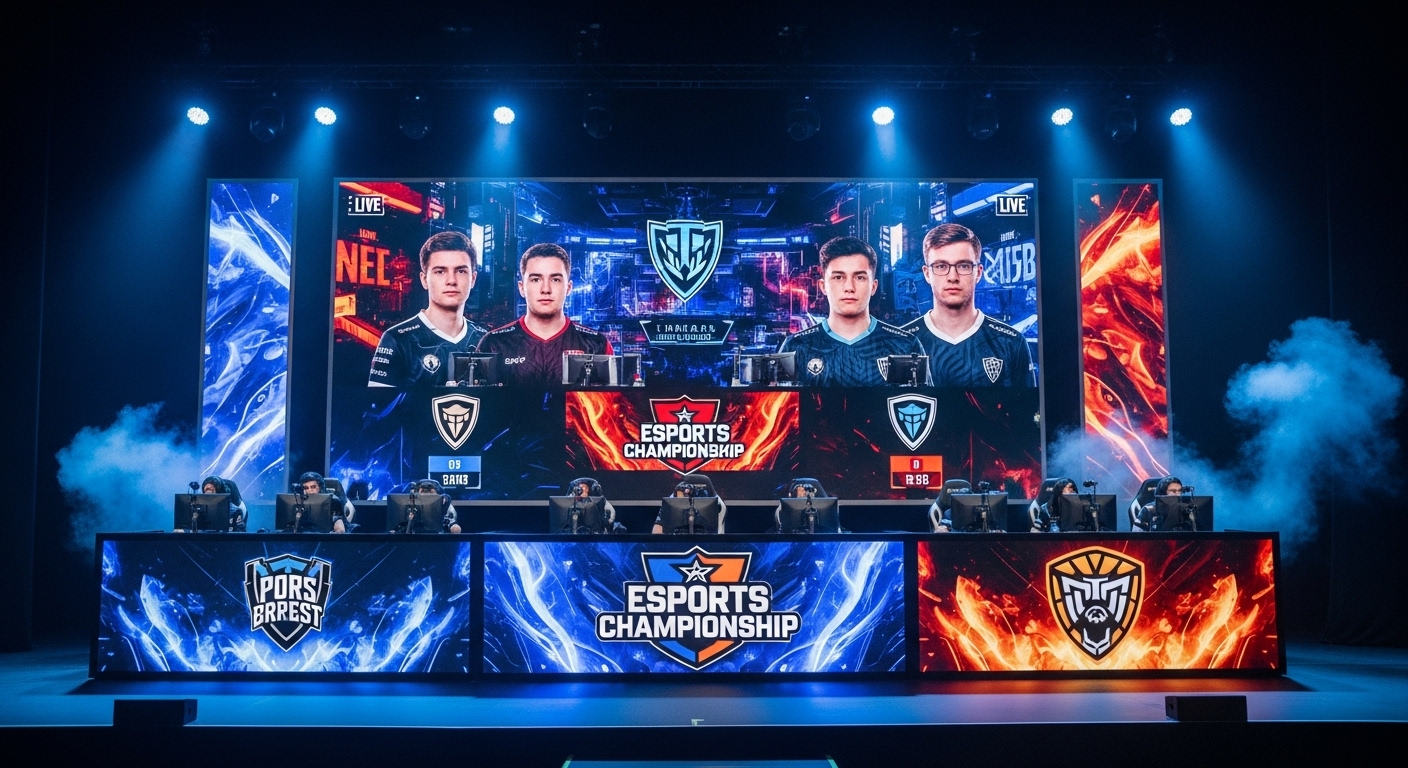
Over the last decade, esports has evolved from being a niche hobby enjoyed by a small, dedicated community into a worldwide phenomenon. Once considered a subculture of gaming enthusiasts, esports is now a major sector of the entertainment industry, drawing millions of viewers, huge investments, and even professional athletes. In this blog post, we will explore the fascinating rise of esports, its current position in the global entertainment landscape, and what the future holds for competitive gaming.
The Beginnings of Esports: A Humble Start
Esports, short for electronic sports, refers to competitive video gaming where players or teams compete against each other in various video games. The history of esports dates back to the early days of video gaming, with one of the first recognized competitive gaming events taking place in 1972 at Stanford University. The event, known as the “Intergalactic Spacewar Olympics,” was a simple competition centered around the game Spacewar, with a modest prize of a subscription to Rolling Stone magazine.
Despite this early beginning, esports would remain a fringe activity for many years. During the 1990s, the internet began to connect gamers across the world, allowing them to play against each other in online tournaments. However, it wasn’t until the late 1990s and early 2000s, with games like StarCraft and Quake, that esports began to gain mainstream traction. These games allowed for organized tournaments that drew players and spectators alike, with South Korea emerging as one of the first countries to embrace competitive gaming on a large scale.
Esports in the 2000s: The Era of Growth
The early 2000s saw the first real signs of esports becoming a legitimate industry. South Korea, in particular, was a major driver of this growth. The country’s government and media organizations recognized the potential of competitive gaming and began investing heavily in the infrastructure to support it. The rise of StarCraft as a national sport in South Korea led to the creation of professional esports leagues, broadcasted on television and supported by major sponsorship deals. It was during this period that competitive gaming began to shift from a niche hobby to a professional sport.
Games like Warcraft III and Counter-Strike were also pivotal in pushing the esports movement forward, leading to the establishment of professional leagues and tournaments around the world. These events began to attract larger audiences and increased prize pools, setting the stage for the major global esports tournaments we know today.
The Explosion of Esports: 2010s and Beyond
The most significant growth in esports occurred in the 2010s, when competitive gaming reached unprecedented levels of popularity. The launch of League of Legends in 2009 was a game-changer. Developed by Riot Games, League of Legends quickly became one of the most popular multiplayer online battle arena (MOBA) games in the world, attracting millions of players and viewers. The game’s annual world championship, Worlds, is now one of the largest esports events globally, with prize pools in the millions of dollars and viewership that rivals traditional sports.
During the same period, platforms like Twitch, which was launched in 2011, allowed players and fans to stream and watch games online in real-time. This development was crucial in the growth of esports, as it enabled fans from all over the world to follow their favorite players and teams, without being limited by geographical boundaries. Twitch’s influence in the esports space cannot be overstated—streaming not only gave esports an enormous boost in visibility but also allowed players to monetize their skills through sponsorships, donations, and advertising revenue.
The 2010s also saw esports tournaments becoming more professional and globally recognized. High-profile tournaments like The International for Dota 2 and Overwatch League started attracting massive sponsorships, media rights deals, and corporate backing. As a result, esports went from a niche subculture to a global entertainment industry. By 2019, the global esports market was valued at over a billion dollars, with projections for future growth continuing to rise.
The Business of Esports
Esports has become a multi-billion-dollar industry, with revenue streams coming from various sectors, including sponsorships, advertising, media rights, merchandising, and ticket sales. The most significant portion of esports revenue comes from sponsorships, with major companies across a wide range of industries—such as technology, automotive, and beverage companies—investing heavily in esports teams and events.
Gaming hardware companies, like NVIDIA, Intel, and Razer, have also played a significant role in the growth of esports by sponsoring players and events, as well as developing cutting-edge technology tailored for competitive gaming. In addition to these sponsorships, media rights have become a major source of income for esports organizations and event organizers. Streaming platforms like Twitch and YouTube, which broadcast live tournaments and events, have made it possible for fans to engage with esports content from anywhere in the world.
In the past few years, esports has also made its way into mainstream media. Television networks like ESPN and Fox Sports have started broadcasting major esports tournaments, bringing esports to an even larger audience. Additionally, the rise of social media platforms like Twitter and Instagram has enabled esports organizations and athletes to build personal brands, interact with fans, and generate additional income streams through partnerships and endorsements.
Esports as a Profession: Athletes and Careers
One of the most striking aspects of the esports boom is the rise of professional esports athletes. In the early days, many competitive gamers were amateurs who simply loved playing games at a high level. However, as the industry has matured, esports has become a full-time profession for many players.
Professional esports players now train regularly, much like athletes in traditional sports. These players often have coaches, analysts, and team managers who help them refine their gameplay, develop strategies, and improve their performance. Top-tier esports athletes are often recruited by organizations that offer them contracts, salaries, and sponsorships in exchange for their participation in tournaments and other promotional activities.
In addition to playing professionally, many esports athletes also build personal brands by streaming on platforms like Twitch and creating content on YouTube. This allows them to diversify their income sources and connect with their fan base outside of the competitive gaming scene.
Esports has also created a range of other career opportunities. Coaches, analysts, broadcasters, and event organizers all play crucial roles in the esports ecosystem. For individuals with a passion for gaming but who may not be interested in competing professionally, there are many other ways to be involved in the industry. As esports continues to grow, new career paths and roles are constantly emerging.
Esports and Education: Universities Embrace Competitive Gaming
As the professionalization of esports continues, more educational institutions are recognizing the value of esports and incorporating it into their curriculum. Many universities around the world now offer degrees in esports management, marketing, and game design, preparing the next generation of esports professionals for careers in the industry.
Furthermore, esports scholarships are becoming increasingly common, offering students the opportunity to pursue higher education while competing at a high level. Universities are also building esports arenas and teams to compete in collegiate leagues, further legitimizing esports as a mainstream sport. Programs like the National Association of Collegiate Esports in the United States and similar organizations around the world provide platforms for college teams to compete against one another and gain exposure on a national scale.
Esports has thus become more than just a hobby for students—it’s now a viable career option, and many young gamers are pursuing it as a serious path. As the industry grows, it’s likely that more universities and colleges will offer programs and scholarships dedicated to esports, ensuring that students are equipped with the skills needed to succeed in this burgeoning field.
The Global Reach of Esports
One of the defining characteristics of esports is its global appeal. Unlike traditional sports, which are often bound by regional borders, esports transcends geographical limits. Games like League of Legends, Dota 2, and Fortnite have players from all over the world, and tournaments often feature international teams competing for large prize pools.
The global nature of esports is one of its strongest assets. It allows fans from different countries and cultures to come together over a shared passion. Major tournaments like The International and the League of Legends World Championship attract millions of viewers worldwide, creating a sense of global community. In countries like South Korea, esports is already considered a national pastime, and the industry continues to grow rapidly in regions like North America, Europe, and China.
Esports is also a major driver of tourism. Large-scale events like The League of Legends World Championship or The International often take place in iconic locations and attract thousands of spectators, boosting local economies through ticket sales, hotel stays, and tourism-related activities.
The Future of Esports
Looking ahead, the future of esports appears incredibly bright. The continued advancement of technology will further elevate the esports experience, providing fans with immersive virtual environments through virtual reality (VR) and augmented reality (AR). These technologies have the potential to revolutionize how we experience esports, offering a more interactive and engaging way to watch tournaments and follow players.
Furthermore, the integration of esports into traditional sports organizations is a trend that is gaining momentum. Major sports leagues, including the NFL, NBA, and even Formula 1, are beginning to invest in esports or create their own competitive gaming leagues. The potential for collaboration between traditional sports and esports will likely grow in the coming years, bringing esports even further into the mainstream.
Another exciting development for esports is its potential inclusion in the Olympic Games. Although the International Olympic Committee has yet to make an official decision, there is growing support for esports to be recognized as an official Olympic sport. If esports does make its way into the Olympics, it will undoubtedly signal the ultimate mainstream acceptance of competitive gaming.