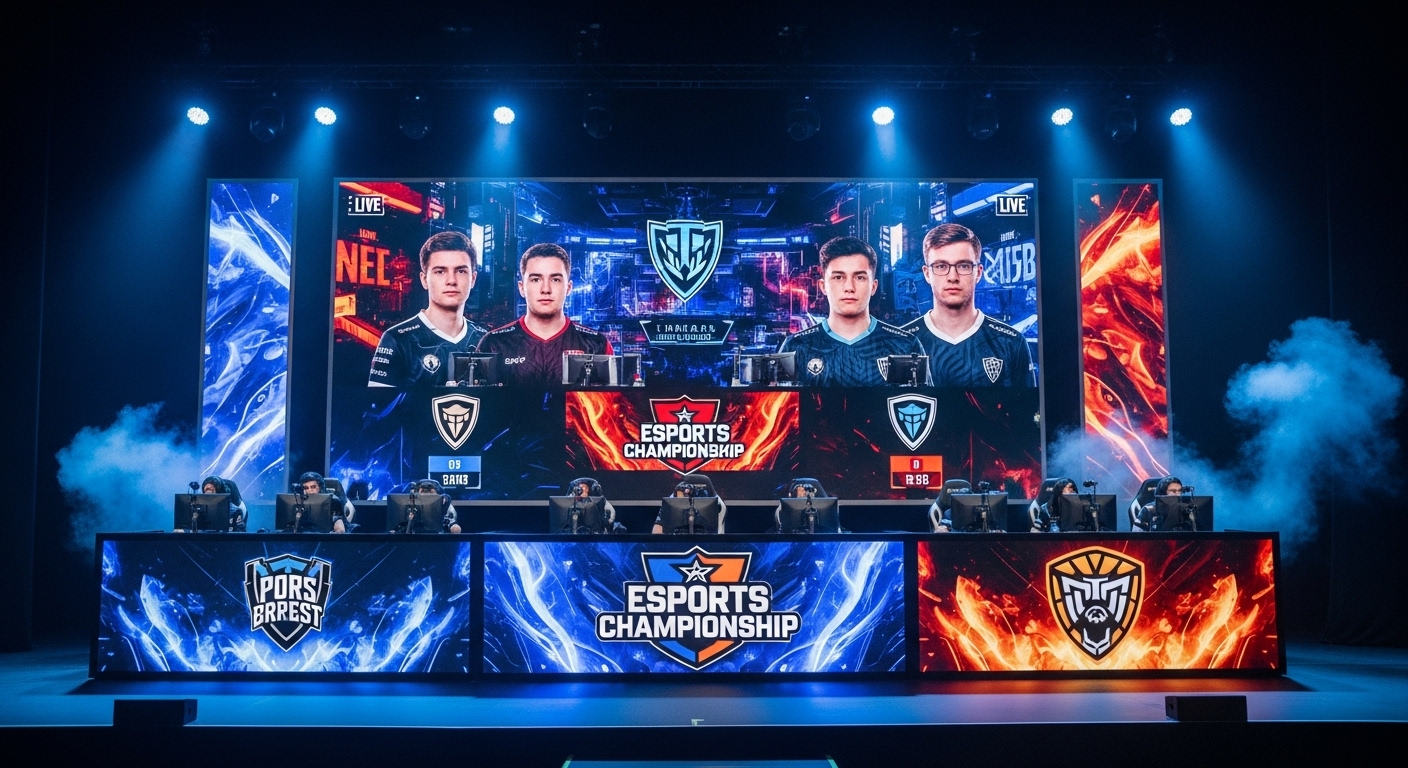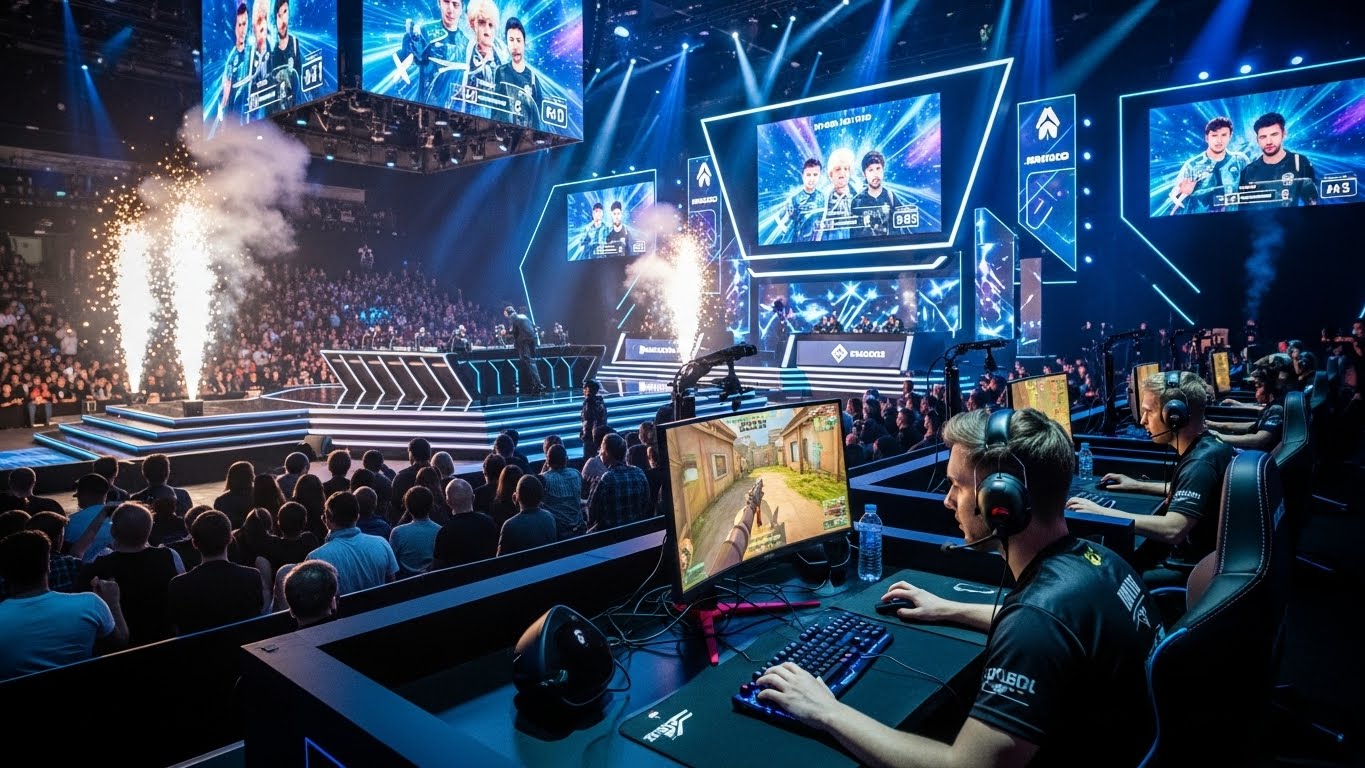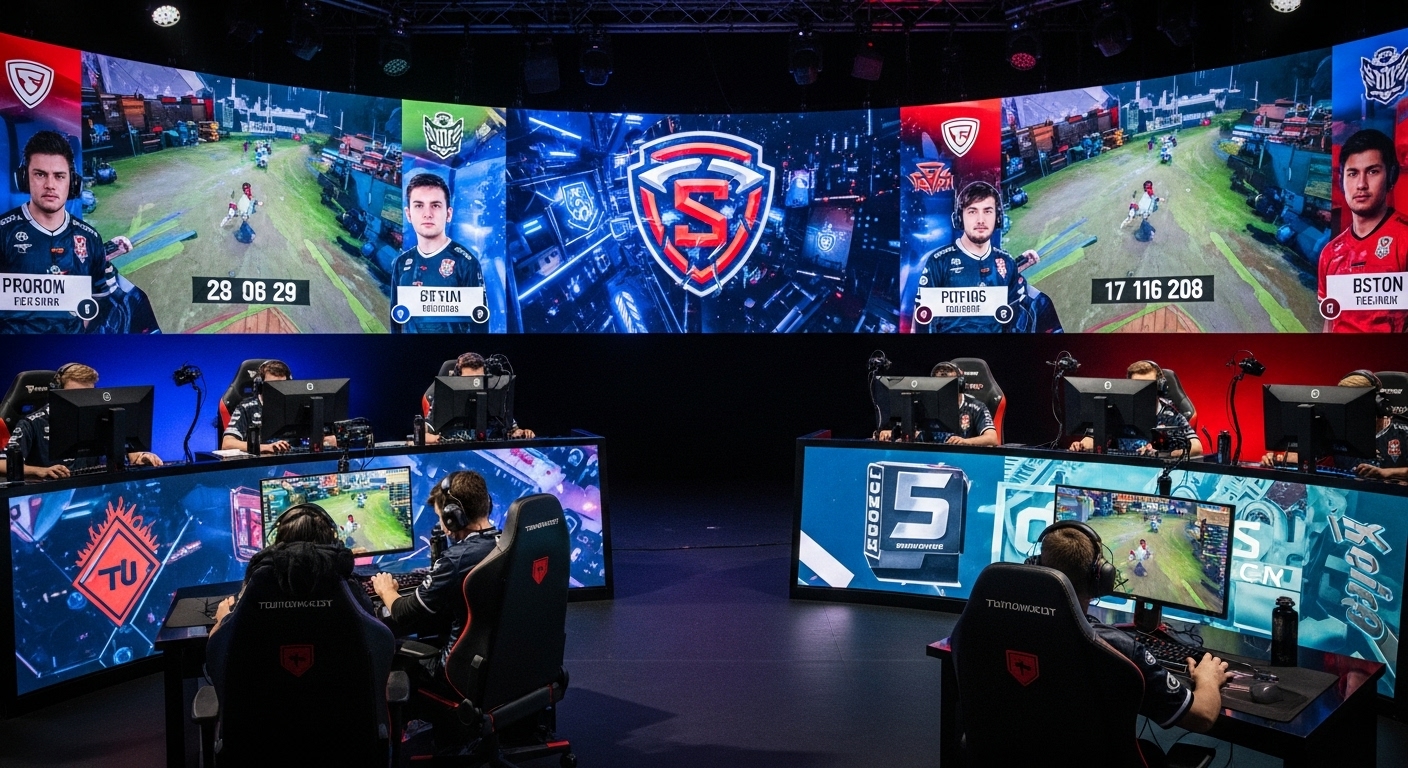
Introduction: The Digital Arena
In recent years, a new form of competition has captured the attention of millions worldwide: esports. What once started as a niche activity among gamers has now grown into a global entertainment juggernaut, rivaling traditional sports in terms of viewership, revenue, and cultural impact. Esports, short for electronic sports, involves competitive video gaming, where professional players and teams compete in popular video games for cash prizes, prestige, and a dedicated fanbase.
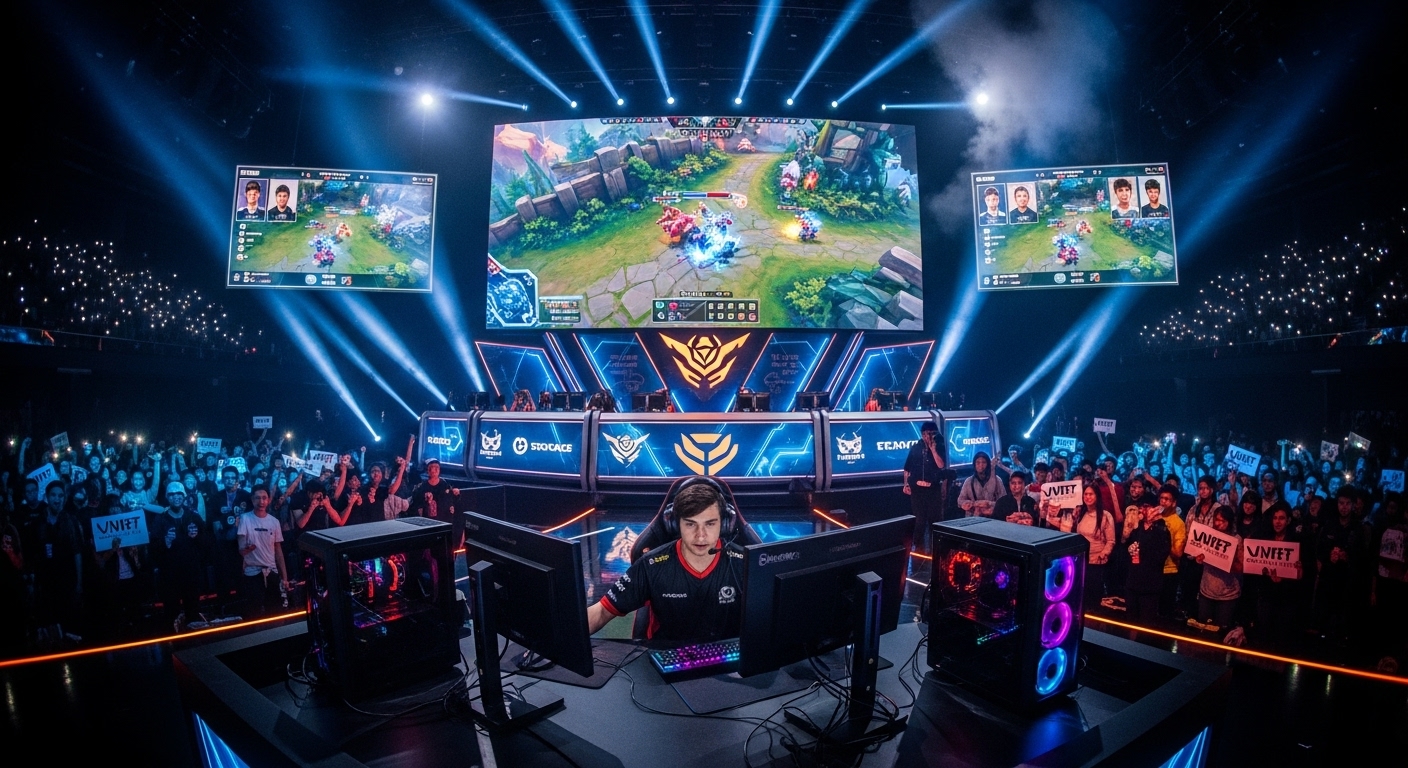
The world of esports is dynamic, fast-paced, and highly competitive, attracting not only players but also massive audiences who tune in to watch live tournaments and leagues. Major games like League of Legends, Dota 2, Counter-Strike: Global Offensive, and Fortnite have become household names, and esports events are held in massive arenas, streamed live to millions of viewers, and even broadcast on television in certain regions.
In this blog post, we will explore how esports evolved from humble beginnings to the multi-billion-dollar industry it is today, its cultural significance, and its future in the rapidly changing landscape of digital entertainment.
The Humble Beginnings of Esports
The origins of esports can be traced back to the early days of multiplayer gaming. In the 1990s, games like Quake and StarCraft began to allow players to compete against one another over local area networks (LANs). These early LAN parties were informal affairs, where friends would gather together to compete in person. But even in those early days, there was a sense of excitement and competition that would eventually evolve into the professional esports scene.
The true beginnings of esports as we know it today came with the rise of online gaming. As the internet became more accessible, games like StarCraft, Warcraft III, and Counter-Strike allowed players from different parts of the world to compete against each other, giving birth to the concept of online tournaments. In the late 1990s and early 2000s, organizations like the World Cyber Games (WCG) and the Electronic Sports World Cup (ESWC) held their first international tournaments, helping to formalize competitive gaming.
By the mid-2000s, esports had begun to attract attention from major game publishers and companies, who saw the potential to not only create competitive platforms for their games but also turn them into profitable businesses. The development of streaming platforms such as Twitch and YouTube Gaming in the early 2010s provided the necessary infrastructure for esports to flourish, allowing fans to watch their favorite players and teams compete in real-time from anywhere in the world.
The Growth of Esports: From Niche to Mainstream
As esports grew in popularity, it gained a devoted following that spanned continents and demographics. This growth was driven by several factors, including the rise of live streaming, the professionalization of teams, and the increasing interest of sponsors.
One of the most significant factors in the growth of esports was the development of live streaming platforms. Twitch, which was launched in 2011, became the go-to platform for gaming content, with millions of users streaming their gameplay and interacting with fans. Twitch enabled gamers to build careers as professional streamers, turning entertainment from a passive experience into an interactive one. Viewers could now watch live esports events, cheer for their favorite players, and engage with others in the community. The interaction between players, fans, and viewers helped fuel the explosion of esports’ popularity.
Meanwhile, professional esports leagues began to take shape. Major game developers such as Riot Games and Blizzard Entertainment recognized the potential of esports and established their own competitive leagues. Riot Games’ League of Legends Championship Series (LCS), launched in 2013, was one of the first major esports leagues with a regular season format, allowing teams to compete over an entire season and culminating in a championship event. Blizzard’s Overwatch League and Call of Duty League followed suit, further legitimizing esports as a competitive sport.
As the esports industry expanded, so did its financial backing. Sponsorships from major companies, such as Coca-Cola, Intel, and Red Bull, flooded into the space, offering large sums of money to support tournaments, teams, and individual players. Prize pools for major tournaments grew exponentially, with some events, like The International (Dota 2’s premier tournament), offering prize pools exceeding $30 million.
Esports also benefited from the growing popularity of mobile gaming. Titles like PUBG Mobile, Arena of Valor, and Free Fire attracted huge audiences, particularly in regions like Southeast Asia and South America, where mobile gaming is the dominant platform. These mobile esports tournaments brought a new level of accessibility to competitive gaming, allowing more people to participate and spectate, regardless of their access to high-end gaming PCs or consoles.
The Esports Ecosystem: Players, Teams, and Tournaments
The esports ecosystem is complex, with multiple players, teams, and organizations working together to create the competitive landscape. Central to the success of esports are the players themselves, who train rigorously to develop their skills in specific games. Unlike traditional athletes, esports players typically begin their competitive journey at a young age, often starting in online leagues or grassroots tournaments. The most successful players rise through the ranks to join professional teams and compete in major events.
Esports teams operate similarly to traditional sports teams. They sign players, create team rosters, and compete in leagues and tournaments. Some teams represent major gaming organizations, while others are independently owned and operated. Players within these teams specialize in specific roles, such as carry or support in Dota 2 or ADC (Attack Damage Carry) or mid-laner in League of Legends. The strategy, teamwork, and coordination required to succeed in these games are on par with traditional team sports.
Tournaments and leagues are the lifeblood of the esports ecosystem. These events range from local, regional competitions to international tournaments that attract millions of viewers. The most prestigious esports tournaments are broadcast live, often drawing large crowds and sometimes filling entire arenas. For example, the League of Legends World Championship has consistently been held in sold-out venues with tens of thousands of fans in attendance, while millions more watch the event online.
Esports tournaments are structured in various ways, with some being open competitions where any team can register and others being closed leagues with fixed teams that qualify based on previous performances. These events are typically sponsored by major brands and have substantial prize pools, offering significant rewards for the top teams. The broadcast of these tournaments is often accompanied by professional commentators, analysts, and casters, who provide play-by-play commentary and analysis for the audience.
The Cultural Impact of Esports
Esports has had a profound impact on popular culture, influencing everything from social media trends to the way we think about entertainment. The rise of esports has turned professional players into celebrities, with some gaining millions of followers on platforms like Twitch and Instagram. These esports athletes have a direct connection with their fans, often engaging with them through live streams, social media, and community events. Many fans idolize their favorite players, much like traditional sports fans admire football or basketball stars.
Esports has also become a social experience. Online multiplayer games, where players collaborate and compete together in teams, encourage social interaction and community building. Platforms like Discord have allowed players to communicate with one another and form friendships, while gaming events and conventions, such as DreamHack and E3, provide opportunities for fans to meet in person and celebrate their shared passion for gaming.
Furthermore, esports has begun to be integrated into traditional sports events. Major sports teams and organizations have invested heavily in esports, creating their own teams and participating in esports leagues. For instance, basketball teams like the Golden State Warriors and Philadelphia 76ers have launched their own esports teams, while the National Football League (NFL) has organized virtual tournaments involving players from across the world. This crossover between traditional and digital sports has helped bridge the gap between the two industries and has introduced esports to a broader, more diverse audience.
The Future of Esports: Challenges and Opportunities
The future of esports is bright, but it is not without its challenges. As the industry continues to grow, issues such as player burnout, mental health, and the sustainability of tournament structures will need to be addressed. Esports players often face intense pressure to perform, leading to long hours of practice and the risk of physical and mental exhaustion. Teams and organizations will need to invest in player wellness, offering better support systems to help players cope with the stresses of competitive gaming.
Another challenge is the potential for market saturation. While esports has grown rapidly, the sheer number of tournaments, leagues, and teams could create competition for sponsorships and viewership. As the market matures, the industry will need to focus on maintaining the quality of its competitions while keeping fans engaged and excited.
At the same time, the potential for esports remains immense. As technology continues to evolve, new platforms like virtual reality (VR) and augmented reality (AR) could revolutionize how esports is experienced. Esports has already begun experimenting with VR events, where players compete in fully immersive digital environments. The global nature of esports also offers opportunities for further expansion, particularly in emerging markets where gaming is becoming increasingly popular.
Conclusion: Esports as the Future of Competitive Entertainment
Esports has come a long way since its early days of LAN parties and informal tournaments. Today, it stands as a global entertainment powerhouse, with millions of fans, professional players, and lucrative sponsorships. Esports has proven that video gaming can be more than just a hobby — it can be a legitimate form of competition, entertainment, and even a career.