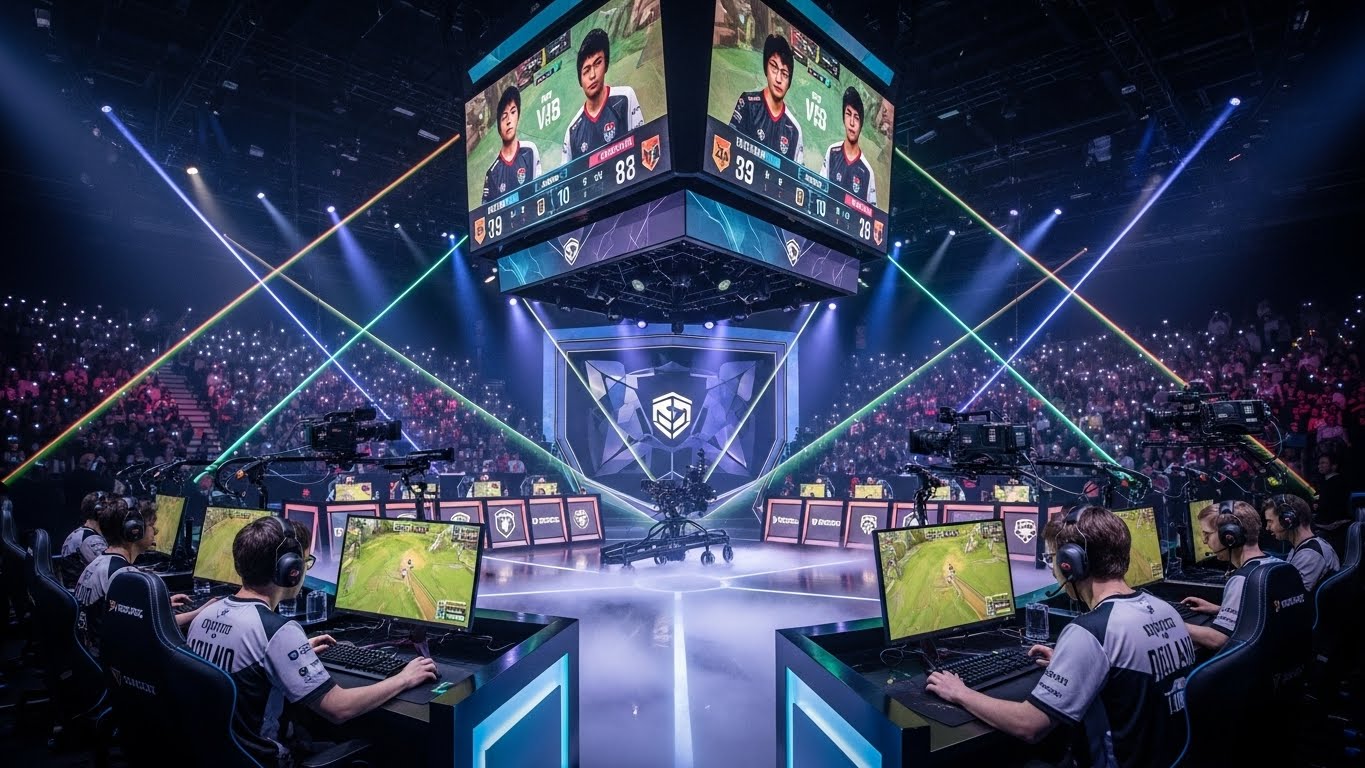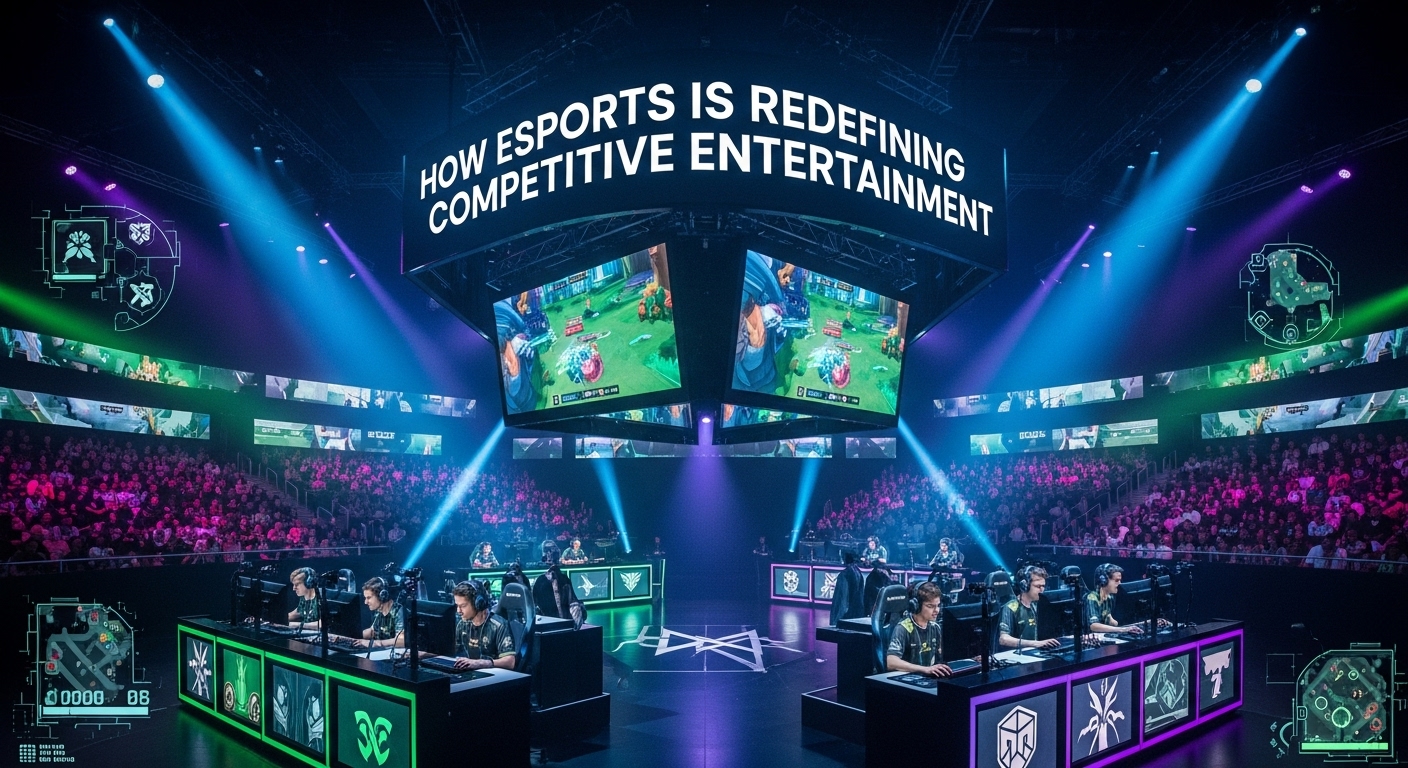
Esports, or electronic sports, has become one of the most exciting and rapidly expanding industries in the world. What started as a niche interest among passionate gamers has grown into a global phenomenon, drawing millions of fans, massive sponsorships, and even global recognition from mainstream media. Esports has moved far beyond the realm of casual competition, becoming a legitimate industry with professional athletes, broadcasting deals, sponsorships, and lucrative tournaments. In this blog post, we’ll explore the rise of esports, its current impact on global entertainment, and what the future holds for this thrilling sector.
The Origins of Esports: How It All Started
To understand the explosive growth of esports, it’s essential to look at where it all began. Competitive gaming has its roots in the early days of video games, especially in the 1970s and 1980s, when arcade games like Pong, Space Invaders, and Pac-Man attracted attention for their competitive nature. However, the first true competitive gaming event took place in 1972 at Stanford University with the “Intergalactic Spacewar Olympics”. The event revolved around a simple game called Spacewar!, and though it was small and experimental, it marked the first known instance of video game competition.
While these early competitions were relatively low-key, the next pivotal moment came in the 1990s. As the internet became more accessible, multiplayer games began to grow in popularity, and online gaming allowed for competitive play across regions. Games like Warcraft, Quake, and StarCraft began to see organized competitions that could draw in large numbers of players. However, the real turning point came in 1997 with the Red Annihilation Tournament, an event based around the game Quake. This tournament offered a Ferrari as the grand prize, which caught the attention of the wider public and helped shape the modern esports scene.
By the 2000s, the concept of esports began to solidify with the rise of large-scale tournaments and leagues. Games like StarCraft: Brood War, Counter-Strike, and Warcraft 3 had established competitive scenes, particularly in regions like South Korea and the United States. Esports was starting to become recognized not just as a hobby, but as a legitimate competitive pursuit.
The Professionalization of Esports: Players, Teams, and Organizations
The 2010s marked a significant milestone in the professionalization of esports. Tournaments started offering massive prize pools, and dedicated esports teams began to form. A prime example of this is League of Legends (LoL), a multiplayer online battle arena (MOBA) game developed by Riot Games. The League of Legends World Championship became one of the most prestigious esports events in the world, drawing millions of viewers each year. This tournament helped solidify esports as not only a competitive field but as a form of entertainment that could rival traditional sports in terms of viewership and fan engagement.
As more games like Dota 2, Overwatch, and Counter-Strike: Global Offensive rose in popularity, the esports ecosystem grew more diverse. Professional esports teams began to form, including some of the most recognized organizations in the world, such as Cloud9, Fnatic, and Team Liquid. These organizations employed professional players who competed in global tournaments while being supported by coaches, managers, analysts, and other staff, much like traditional sports teams.
The competitive nature of esports reached new heights with organizations offering salaries, sponsorships, and even health benefits for their players. Esports players, once seen as casual gamers, were now becoming professional athletes. They trained for long hours, developed strategies with their teams, and honed their skills to compete at the highest levels.
The Growth of Esports Viewership: Global Fanbase and Streaming Platforms
One of the most remarkable aspects of esports is its growing global fanbase. In the early days, esports was largely a niche interest, with only a small group of dedicated fans following tournaments. However, with the advent of streaming platforms like Twitch, YouTube Gaming, and Facebook Gaming, esports began to reach a broader audience. These platforms allowed fans to watch live competitions from anywhere in the world, contributing significantly to the popularity of esports.
In 2019, the League of Legends World Championship attracted over 100 million viewers, a number comparable to major traditional sports events like the Super Bowl. As the accessibility of streaming platforms increased, so did the viewership of esports tournaments. The ability to watch matches live, interact with commentators and fellow fans in real time, and access high-quality content has been pivotal in the rise of esports as a mainstream entertainment option.
The shift toward digital streaming has also opened up opportunities for esports to reach younger, more tech-savvy audiences. With an increasing number of viewers preferring digital content over traditional television, esports has emerged as a primary source of entertainment for millions. This growing fanbase has led to the rise of esports influencers, who now have significant followings on social media platforms. Influencers, players, and commentators alike have turned esports into a social experience that allows fans to connect with the sport on a deeper level.
The Business of Esports: Sponsorships, Investments, and Merchandise
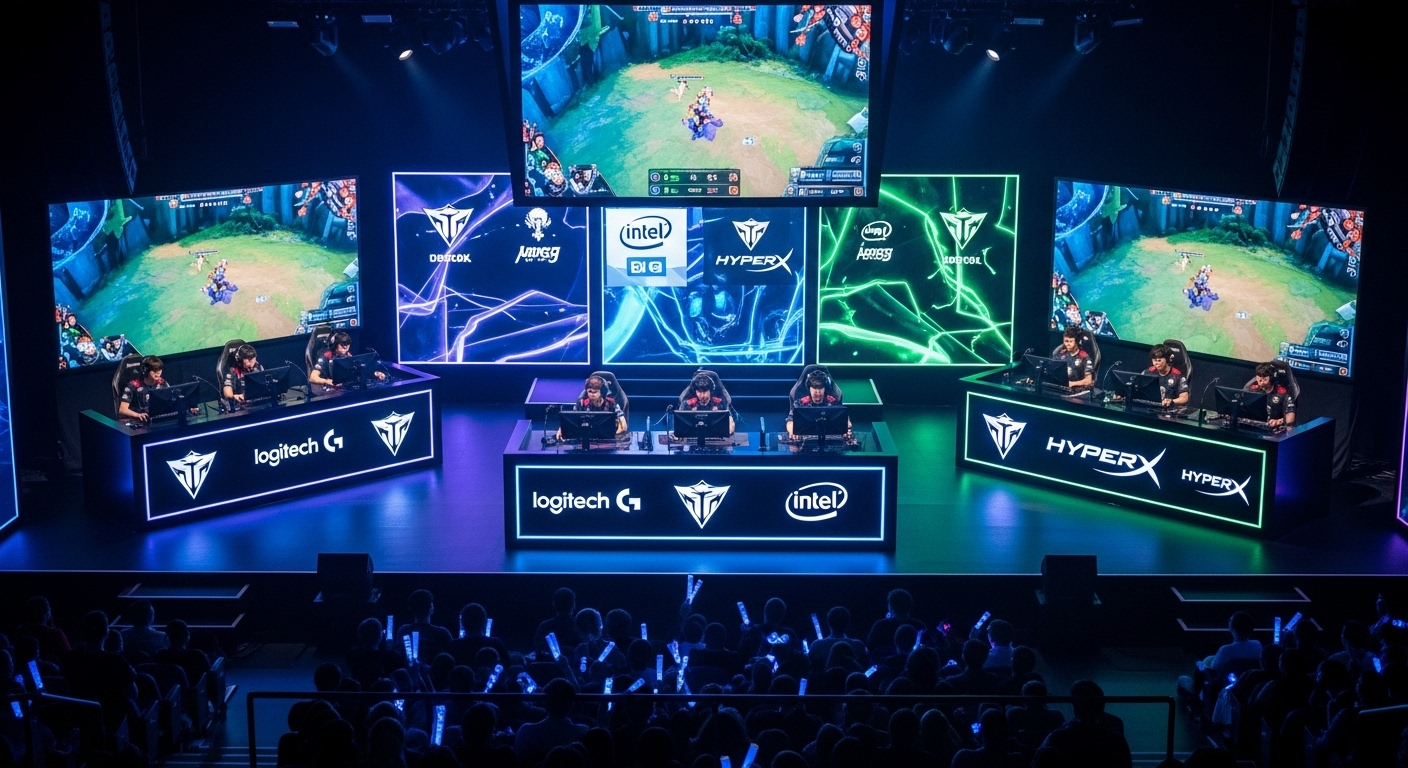
Esports has quickly turned into a multi-billion-dollar industry, and its business model is a combination of sponsorships, media rights, merchandise sales, and ticket revenues from live events. One of the primary drivers behind the financial success of esports has been sponsorships from major global brands. From Intel and Coca-Cola to Mercedes-Benz and Red Bull, big companies have recognized the commercial potential of esports and are willing to invest significant resources into the space. These sponsorships have not only provided the necessary funds for tournaments but have also increased the overall visibility of esports.
Media rights have also become an important revenue stream for the industry. Broadcasting companies and online streaming platforms pay large sums of money to secure the rights to air esports tournaments and matches. This has allowed esports organizations to generate consistent revenue and expand their operations. In addition, these media rights allow fans from across the world to access high-quality broadcasts, making it easier than ever to follow their favorite teams and players.
The growth of esports has also contributed to a booming merchandise market. Teams, players, and even game developers have begun to sell jerseys, apparel, and other branded items to fans. These products serve as a way for fans to show support for their favorite teams while also providing teams with additional revenue. With millions of fans across the globe, esports merchandise has become a key revenue stream for teams and organizations.
The Role of Esports in Mainstream Media: Recognition and Legitimacy
As esports continues to expand, it has begun to garner attention from mainstream media and even traditional sports organizations. Major sports leagues like the NBA, NFL, and MLS have recognized the cultural relevance of esports and have invested in the industry. For instance, the NBA 2K League was established as a professional esports league where players compete in the NBA 2K video game series. This initiative not only connects esports with traditional sports but also opens up new avenues for both industries to grow.
Additionally, esports has become a fixture on television and live streaming services. Major tournaments are now being broadcasted on platforms like ESPN and ABC, with partnerships between networks and esports organizations continuing to strengthen. Esports is increasingly being seen as a legitimate form of entertainment, attracting viewership from not only gaming fans but also those who may not be traditionally interested in video games.
With the increasing presence of esports in the mainstream, the once niche world of competitive gaming is gradually being recognized as a professional sport. This has paved the way for the acceptance of esports as a viable career path, with professional players and coaches earning salaries and establishing a name for themselves in the industry.
The Global Impact of Esports: Connecting Cultures and Fostering Community
One of the most fascinating aspects of esports is its global nature. Unlike traditional sports, which are often confined to specific regions, esports transcends geographical and cultural boundaries. Fans from all over the world connect through online streaming platforms, competing in tournaments, sharing strategies, and supporting their favorite teams. Esports is a truly international phenomenon, with major competitions held in regions as diverse as North America, Europe, South Korea, China, and Brazil.
This global connection is a testament to the power of gaming to bring people together, regardless of language or culture. It has created a sense of community among fans and players alike, fostering friendships and collaborations across borders. In countries like South Korea, esports is treated with the same level of respect as traditional sports, with stadiums filled to capacity for major competitions. The global nature of esports has also given rise to international tournaments where teams from different countries face off for the ultimate prize.
Esports has also played a significant role in the rise of digital inclusivity, allowing people from all walks of life to participate in competitions, regardless of physical ability or location. Esports has become a platform where talent can be discovered, no matter the player’s background or geographical location, leveling the playing field in ways that traditional sports often cannot.
The Future of Esports: Challenges and Opportunities
As the esports industry continues to grow, it faces a number of challenges and opportunities. One of the key challenges is sustainability, as esports organizations and tournament organizers work to maintain financial viability while offering fair pay to players and providing high-quality content for fans. Another concern is the mental and physical health of players, who often endure long hours of intense gaming, potentially leading to burnout. Ensuring players’ well-being will become an essential part of the industry’s growth and reputation.