
Esports, short for electronic sports, has evolved from a niche hobby into a global phenomenon. With millions of players and fans worldwide, esports now stands shoulder-to-shoulder with traditional sports in terms of viewership, professionalism, and cultural influence. The rise of esports has transformed gaming from casual entertainment into a serious competitive arena where skill, strategy, and teamwork determine success. This blog will explore the history, evolution, major games, professional scene, economic impact, and cultural significance of esports.
The Origins of Competitive Gaming
Competitive gaming isn’t a new concept. Even before the term esports existed, players engaged in competitive tournaments. In the 1970s and 1980s, arcades became social hubs where players would compete for high scores. One of the first widely recognized video game competitions took place in 1980 with the Space Invaders Championship in the United States, attracting thousands of participants. These early competitions laid the groundwork for the professional gaming industry that would emerge decades later.
During the 1990s, the proliferation of personal computers and the internet enabled competitive gaming to reach a broader audience. Games like Quake, StarCraft, and Counter-Strike fostered competitive communities that organized online matches and local tournaments. The rise of LAN (Local Area Network) parties made head-to-head gaming accessible and popularized competitive multiplayer gaming. These events provided the blueprint for organized tournaments and leagues seen in modern esports.
The Evolution of Esports as a Profession
What began as informal competitions gradually evolved into a structured industry. By the early 2000s, esports had professional players, teams, and leagues. South Korea played a critical role in this evolution, particularly through the rise of StarCraft: Brood War. Korean players became celebrities, and gaming cafes, or PC bangs, served as epicenters for competitive gaming culture.
In North America and Europe, esports growth accelerated with titles like Counter-Strike, Warcraft III, and Halo. The development of online streaming platforms such as Twitch and YouTube Gaming allowed fans to watch live matches from anywhere in the world, giving esports global visibility. This combination of talent, technology, and accessibility transformed competitive gaming into a legitimate career path for players, coaches, commentators, and analysts.
Popular Esports Titles and Their Impact
Esports encompasses a wide variety of game genres, each fostering unique competitive dynamics. The most prominent categories include first-person shooters (FPS), multiplayer online battle arenas (MOBA), real-time strategy (RTS), and fighting games.
First-Person Shooters
FPS games like Counter-Strike: Global Offensive, Call of Duty, and Overwatch emphasize precision, reflexes, and team coordination. Players compete in fast-paced matches that demand split-second decision-making. The popularity of FPS esports stems from its accessibility, intense action, and spectator-friendly gameplay.
Multiplayer Online Battle Arenas
MOBAs, including League of Legends and Dota 2, focus on strategic teamwork and long-term planning. Players control unique characters, each with specialized abilities, to achieve objectives and defeat opponents. The complexity of MOBAs requires players to master both individual skills and team coordination, making it a challenging and engaging spectator experience.
Real-Time Strategy
RTS games like StarCraft II demand quick thinking, resource management, and strategic planning. These games test a player’s ability to adapt to opponents’ tactics while efficiently managing their units and resources. Although RTS esports have declined in mainstream popularity, they remain foundational in the history and development of competitive gaming.
Fighting Games
Fighting games such as Street Fighter, Tekken, and Super Smash Bros. focus on direct player-versus-player combat. These competitions often take place in tournament formats, highlighting both skill and psychological strategy. Fighting games maintain a passionate, grassroots community that contributes to the diversity of esports culture.
The Professional Esports Scene
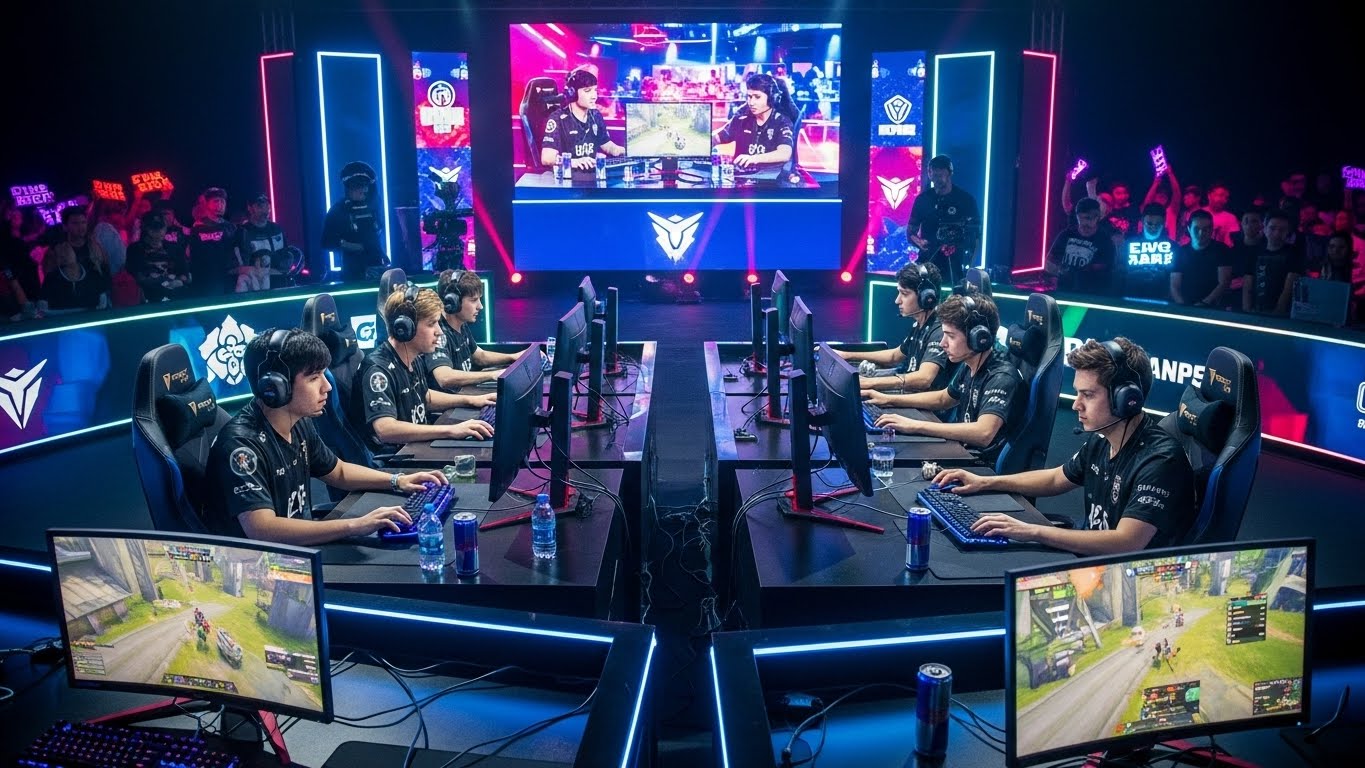
Esports is not just about playing games; it is a professional industry with structured leagues, sponsorships, and global tournaments. Organizations field teams that compete at regional, national, and international levels. Major leagues, such as the League of Legends Championship Series (LCS), Overwatch League (OWL), and Call of Duty League (CDL), operate similarly to traditional sports leagues, with franchises, regular seasons, playoffs, and championships.
Top-tier players often sign contracts with teams, receive salaries, and participate in endorsements and media engagements. Coaching staff, analysts, and managers provide support, mirroring the infrastructure of conventional sports organizations. These professionals dedicate countless hours to training, strategy, and performance optimization.
International Tournaments and Championships
Global tournaments such as The International for Dota 2 and League of Legends World Championship attract millions of viewers and offer multimillion-dollar prize pools. These events showcase the pinnacle of skill and strategy, drawing international attention and media coverage. The competitive intensity and high stakes elevate esports to a level comparable to prestigious events like the FIFA World Cup or the Olympics.
Esports Infrastructure
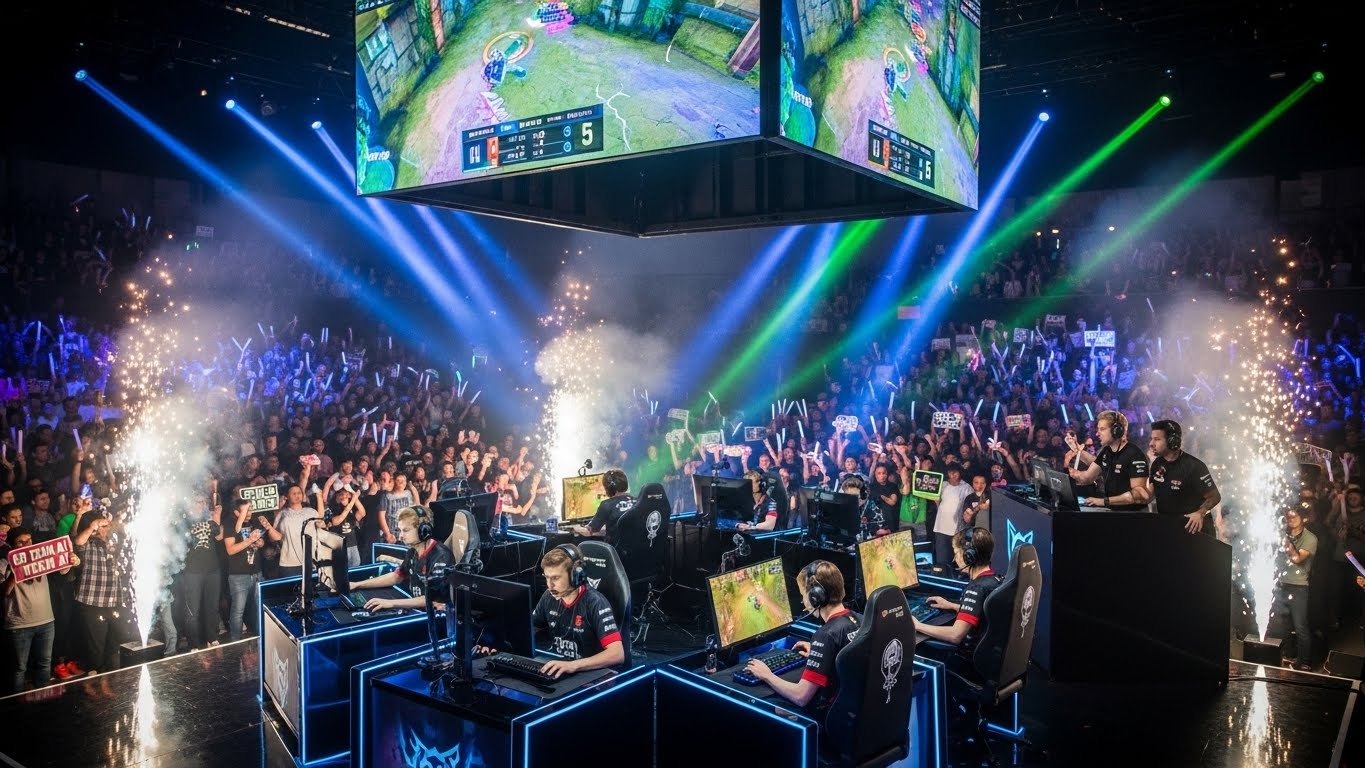
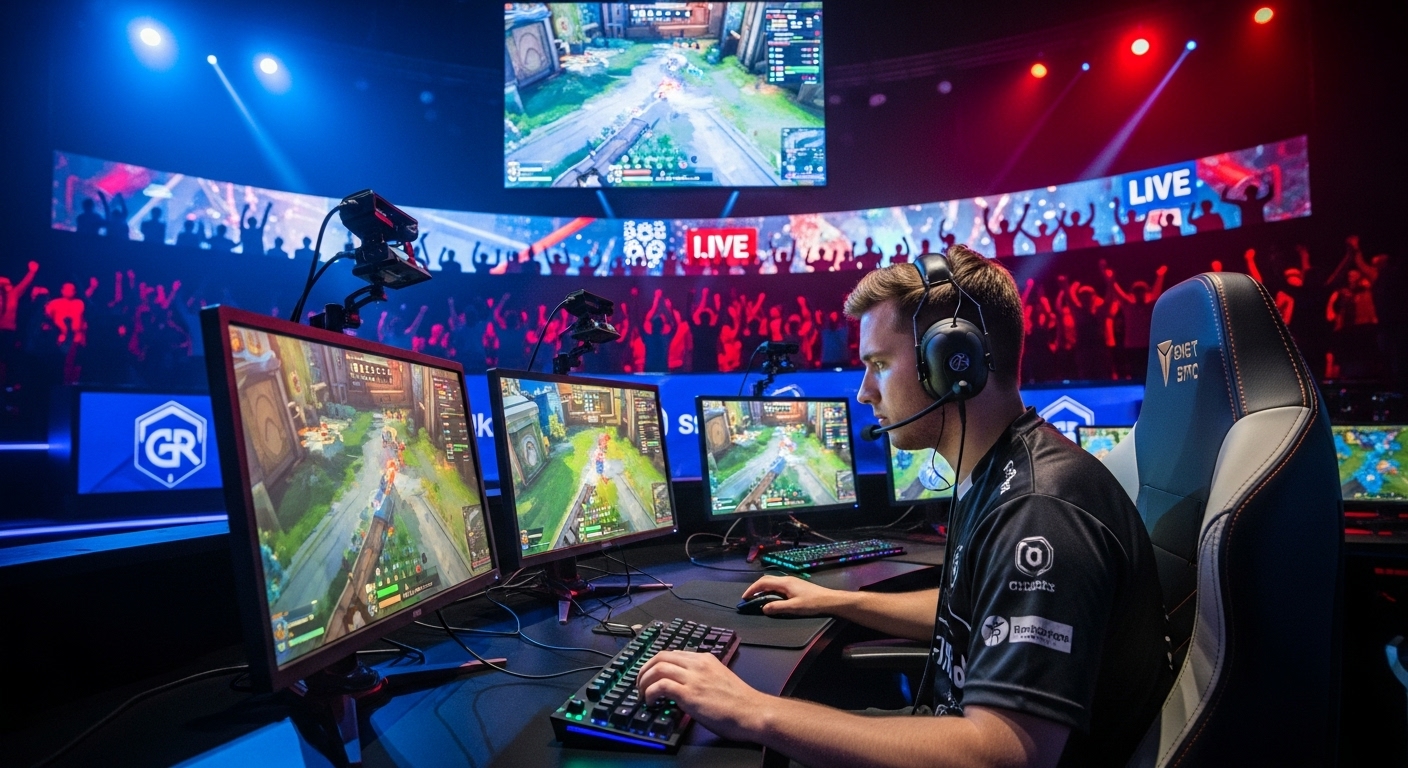
The growth of esports has spurred investment in infrastructure, including dedicated arenas, training facilities, and production studios. Countries like South Korea, China, and the United States have established state-of-the-art venues to host tournaments, creating opportunities for fans to experience live esports events firsthand. Advanced broadcasting technology ensures professional coverage, complete with commentary, analysis, and spectator-friendly visuals.
The Economics of Esports
Esports is a multibillion-dollar industry encompassing game publishers, sponsors, advertisers, media rights, merchandise, and event production. Revenue streams for esports organizations often include sponsorship deals, merchandise sales, ticketing for live events, streaming revenue, and prize money from competitions.
Sponsorship and Brand Partnerships
Brands across various industries recognize the marketing potential of esports. Companies invest in sponsorship deals with teams, tournaments, and content creators to reach highly engaged and tech-savvy audiences. Sponsorship deals can include branded apparel, in-game advertisements, and exclusive promotional content. These partnerships have become a cornerstone of esports revenue, fueling further growth and innovation.
Streaming and Media Rights
Streaming platforms provide significant income for both players and organizations. Popular streamers can monetize content through subscriptions, donations, and advertising revenue. Additionally, media rights agreements allow broadcasters and online platforms to license esports content, further legitimizing esports as a mainstream entertainment industry.
Prize Pools and Player Earnings
Prize pools in esports tournaments have grown exponentially over the years. For instance, The International Dota 2 tournament offers a prize pool exceeding $40 million, with top players earning millions individually. These high-stakes competitions incentivize skill development and elevate esports as a viable professional path for aspiring players.
Esports and Education
Esports is increasingly recognized as an avenue for educational development and career opportunities. Many universities and colleges now offer esports scholarships, degree programs, and competitive teams. Academic programs may focus on game design, event management, marketing, or professional play, combining practical skills with theoretical knowledge.
Benefits for Students
Participation in esports can enhance critical thinking, problem-solving, teamwork, and communication skills. Students learn to manage pressure, make strategic decisions, and collaborate effectively, which are valuable competencies in both professional gaming and other career paths.
Collegiate and High School Leagues
Competitive leagues at the high school and collegiate levels provide structured environments for young players to develop their skills. These leagues foster talent pipelines for professional teams while promoting discipline, sportsmanship, and community engagement among participants.
Cultural Impact of Esports
Esports has profoundly influenced global culture, shaping entertainment, fashion, media, and social interaction. It has created a sense of community, where fans connect over shared interests and fandoms. The popularity of esports has also challenged traditional notions of sports and competition, blurring the line between physical and digital athleticism.
Inclusivity and Diversity
Esports has opened doors for a diverse range of participants regardless of gender, ethnicity, or physical ability. While challenges remain, many organizations actively promote inclusivity and representation, creating a more welcoming environment for all players.
Influence on Entertainment
Esports has inspired content creation across multiple media platforms. Streaming personalities, YouTube channels, podcasts, and documentaries celebrate gaming culture and provide entertainment beyond the competitive arena. This influence extends to mainstream media, with esports being featured in news outlets, television shows, and even movies.
Fan Engagement and Community
Fans play a central role in esports culture. Online forums, social media, and live events create spaces for fans to discuss strategies, celebrate victories, and interact with professional players. The passion and dedication of fans contribute significantly to the growth and sustainability of esports as a global phenomenon.
Challenges Facing the Esports Industry
Despite its rapid growth, esports faces several challenges. Player burnout, mental health concerns, and inconsistent regulation are pressing issues. Competitive gaming requires long hours of practice, travel, and high-pressure performance, which can affect both physical and mental well-being.
Regulation and Governance
The esports industry lacks standardized governance compared to traditional sports. Disputes over contracts, prize distribution, and cheating scandals highlight the need for formalized rules and oversight. Establishing regulatory bodies and ethical guidelines is crucial for the long-term stability and credibility of esports.
Sustainability and Longevity
Sustaining a professional esports career can be challenging due to the highly competitive nature of the industry. Players often retire young, and financial security can be uncertain without proper planning. Organizations are exploring diversified revenue streams and post-career opportunities to ensure sustainability for players.
The Future of Esports
The future of esports looks promising, with technological advancements, increased mainstream recognition, and growing investment shaping its trajectory. Innovations such as virtual reality (VR), augmented reality (AR), and artificial intelligence (AI) may redefine gameplay and spectator experiences.
Integration with Traditional Sports
Many traditional sports organizations are investing in esports teams and leagues, recognizing the potential for cross-industry collaboration. This integration could lead to hybrid events, innovative sponsorships, and expanded fan bases.
Expanding Global Reach
Emerging markets in Africa, Latin America, and Southeast Asia are contributing to the global growth of esports. Increased internet accessibility and gaming infrastructure are bringing competitive gaming to previously untapped audiences.
Technological Advancements
Advances in technology, including faster internet, cloud gaming, and immersive experiences, will continue to enhance esports accessibility and engagement. Spectator experiences will become more interactive, bridging the gap between players and audiences.
Conclusion
Esports has transformed from humble arcade competitions to a thriving global industry, encompassing professional leagues, massive tournaments, and vibrant communities. It is a testament to human ingenuity, combining skill, strategy, and entertainment in ways previously unimaginable. As esports continues to grow, it will reshape our understanding of competition, community, and digital culture, solidifying its place in the entertainment landscape for generations to come.
The journey of esports is far from over. With new technologies, broader inclusivity, and increasing professionalization, the competitive gaming industry is set to achieve heights that were once considered science fiction. For players, fans, and investors alike, esports represents an ever-expanding frontier of possibility, excitement, and opportunity.