Esports, short for electronic sports, has emerged as one of the most dynamic and rapidly growing industries in the world of entertainment. Once considered a niche hobby for gamers, esports has transformed into a global phenomenon that attracts millions of viewers, fills stadiums, and generates billions in revenue. Professional teams, international tournaments, live streaming platforms, and celebrity players have turned competitive gaming into a legitimate and respected career path. This blog explores the rise of esports, its cultural and economic impact, its professional ecosystem, and the challenges and opportunities that define its future.
The Early Days of Competitive Gaming
The origins of esports can be traced back to the late 1970s and early 1980s when arcade games became popular in schools and local communities. Games like Space Invaders and Pac-Man encouraged friendly competition, with players striving for the highest scores. While these early contests were informal, they sowed the seeds of organized competition and community engagement among gamers.
The 1990s brought a major shift with the rise of personal computers and multiplayer games. Titles such as Doom, Quake, and StarCraft allowed players to compete online, sometimes across continents. Small-scale tournaments with cash prizes emerged, attracting dedicated communities and marking the beginning of professional competitive gaming.
The Growth of Online Gaming
By the 2000s, esports began evolving into a structured industry. High-speed internet became more accessible, enabling players to compete in real time regardless of location. Multiplayer online games like Counter-Strike, World of Warcraft, and League of Legends formed the foundation of competitive esports.
Organized leagues and tournaments became common, with sponsorships and media coverage legitimizing the scene. Players were no longer just hobbyists; they could aspire to a professional career. This period laid the groundwork for the professional ecosystem that exists today, combining skill, strategy, and entertainment.
The Role of Streaming Platforms
Live streaming has been instrumental in esports’ growth. Platforms like Twitch and YouTube Gaming allow professional and amateur players alike to broadcast gameplay to millions of viewers around the world. Streaming provides fans with real-time access to matches, interactive experiences, and insights into the lives of professional gamers.
Streaming has transformed esports into a spectator sport. Unlike traditional sports, viewers can follow every in-game action, participate in chat discussions, and engage with content creators. Monetization through subscriptions, donations, and sponsorships has also created additional revenue streams for players and teams, expanding the financial potential of esports.
Professional Teams and Players
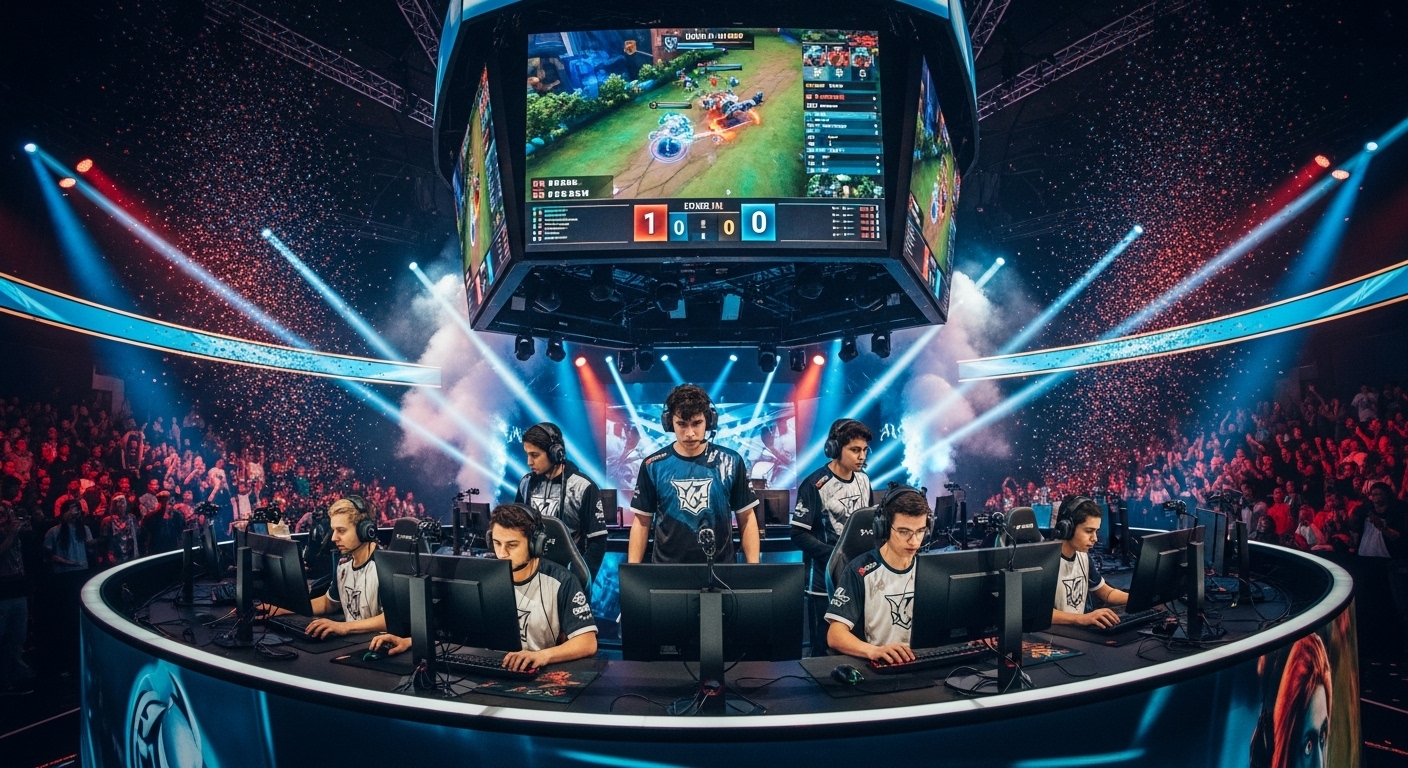
Esports teams operate much like traditional sports franchises. They recruit skilled players, provide coaching, and manage sponsorships and branding. Professional teams compete in regional and international tournaments across various game genres, including first-person shooters, multiplayer online battle arenas, and real-time strategy games.
Top players often become celebrities in their own right, attracting fans from across the globe. Contracts, endorsements, and merchandise sales provide financial stability beyond tournament winnings. Success in esports requires not only technical skill but also teamwork, strategy, and mental resilience, emphasizing the professionalism of the industry.
Major Esports Tournaments
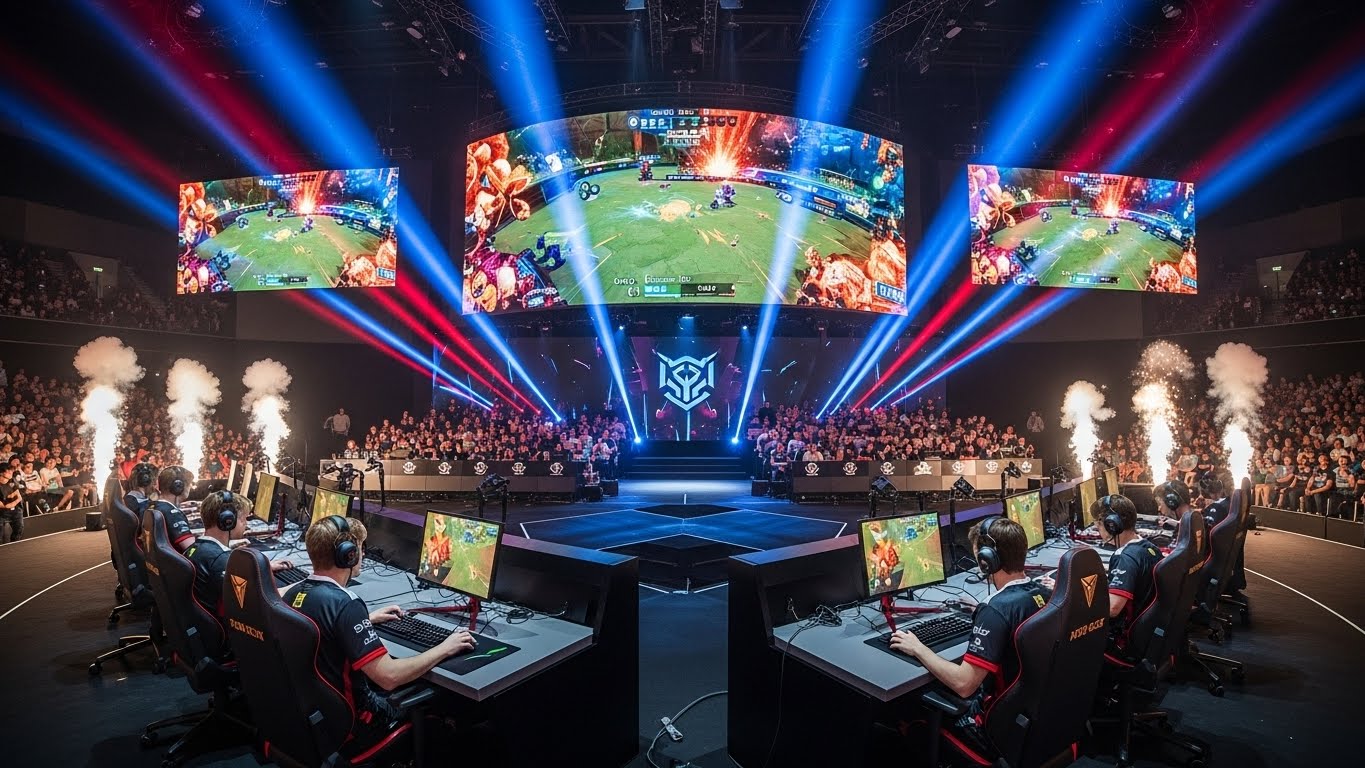
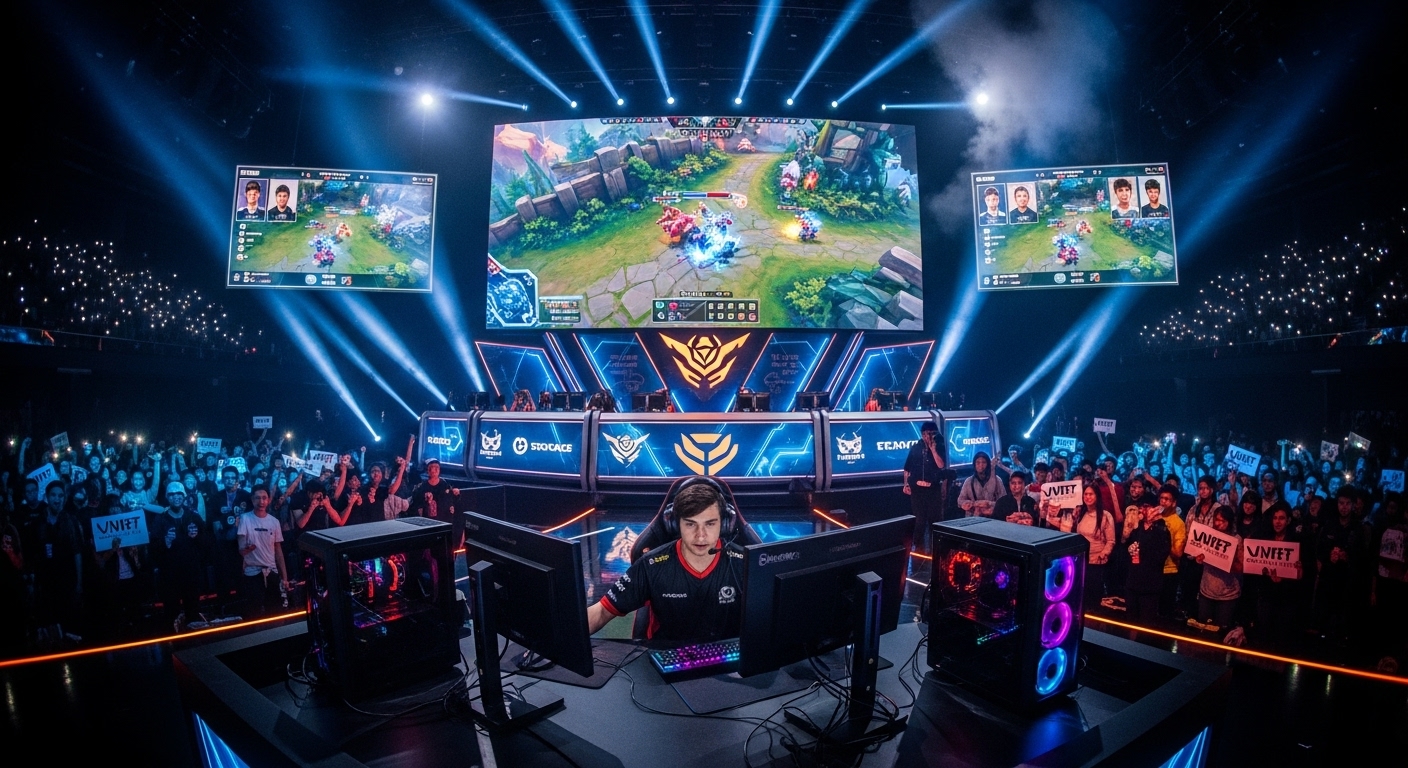
Global esports tournaments have become marquee events, attracting millions of viewers both online and in-person. Competitions such as The International, League of Legends World Championship, and the Fortnite World Cup feature multi-million-dollar prize pools and elaborate production.
These events are more than just competitions. They combine live commentary, entertainment segments, and interactive experiences for fans. Tournaments showcase the skill and dedication of players while offering audiences a sense of excitement and community, elevating esports to a level comparable to traditional sports championships.
Economic Impact of Esports
Esports has evolved into a multi-billion-dollar industry with diverse revenue streams. Sponsorships, advertising, media rights, merchandise sales, and event ticketing all contribute to the financial ecosystem. Major brands invest heavily in esports to reach younger, digitally engaged audiences.
The industry also generates employment opportunities beyond players. Coaches, analysts, commentators, event managers, content creators, and marketing professionals all play critical roles. Universities and academies now offer esports programs, professional training, and scholarships, signaling the integration of esports into mainstream education and business sectors.
Esports and Youth Culture
Esports has become a defining element of youth culture. It provides a platform for competition, socialization, and personal growth. Young people are inspired to pursue careers as professional players or explore related fields such as content creation, game development, and technology entrepreneurship.
Competitive gaming fosters critical skills, including teamwork, strategic thinking, adaptability, and problem-solving. Players develop resilience under pressure, effective communication skills, and the ability to collaborate toward shared objectives. These competencies extend beyond the gaming world, influencing education, careers, and personal development.
Health and Well-Being in Esports
While esports offers opportunities, it also presents challenges regarding health and well-being. Long hours of gameplay can result in eye strain, repetitive strain injuries, poor posture, and mental fatigue. The competitive environment adds stress, requiring careful management to prevent burnout.
Professional teams increasingly employ sports psychologists, fitness trainers, and nutritionists to support players. Developing balanced routines that include physical exercise, proper nutrition, and mental health care is essential for sustainable performance. Player well-being is a crucial component of the professional esports ecosystem.
Technology Driving Esports
Technology underpins every aspect of esports. High-performance computers, low-latency internet connections, gaming peripherals, and advanced graphics engines are essential for competitive play. Online platforms enable global tournaments and real-time interaction with audiences.
Artificial intelligence and data analytics are now used to study gameplay, improve strategies, and enhance performance. Emerging technologies such as virtual reality and augmented reality promise to redefine the gaming experience, creating immersive environments for players and spectators alike.
The Global Expansion of Esports
Esports has transcended geographic boundaries to become a global phenomenon. While major hubs exist in Asia, Europe, and North America, emerging regions are increasingly participating due to improved infrastructure, tournaments, and talent development programs.
This global reach fosters cultural exchange and community building. Players and fans from diverse backgrounds unite through shared interests, demonstrating how esports can connect people worldwide in ways traditional sports often cannot.
The Future of Esports
The future of esports holds immense potential. Virtual reality, cloud gaming, and artificial intelligence are expected to revolutionize gameplay and viewer engagement. Interactive and immersive experiences will allow audiences to feel like participants rather than passive spectators.
Esports is also likely to become more integrated with traditional sports. Collaborative events, media partnerships, and institutional recognition could further legitimize the industry. With continued investment in infrastructure, governance, and talent development, esports is positioned for sustained growth and global influence.
Challenges Facing Esports
Despite rapid growth, esports faces significant challenges. Cheating, fair play, and integrity are ongoing concerns. Mental health, career longevity, and sustainability for players require attention. Accessibility issues in regions with limited technological infrastructure create barriers to participation and inclusivity.
Addressing these challenges is essential for maintaining credibility. Proper governance, ethical standards, and responsible management will ensure that esports continues to thrive as a professional, respected, and inclusive industry.
Esports as a Cultural Movement
Esports has become more than a form of entertainment; it is a cultural movement. It influences fashion, music, digital media, and online communities. Professional players act as role models, inspiring creativity, ambition, and innovation. Fan culture, cosplay, and content creation reflect how esports extends beyond gaming into lifestyle and identity.
Recognizing esports as a cultural phenomenon emphasizes the convergence of technology, creativity, and human expression. It highlights the ways digital platforms are reshaping entertainment, community, and global connectivity.
Conclusion: Esports as a Transformative Force
Esports has evolved from simple competitions to a global industry that combines skill, strategy, entertainment, and technology. Beyond the thrill of competition, it fosters community, economic opportunities, and youth engagement. It has redefined how people play, watch, and connect through gaming.
As technology continues to advance and the industry matures, esports will become even more immersive and influential. It is not just a game; it is a platform for innovation, connection, and human potential. The rise of esports demonstrates that competitive gaming can be a legitimate, respected, and transformative part of modern culture, offering endless possibilities for players and fans alike.