
Introduction: More Than a Game
Sport has always been one of humanity’s greatest expressions of passion, discipline, and unity. Across continents, from the smallest local fields to the grandest stadiums, sport embodies something that transcends competition. It tells stories of struggle, triumph, heartbreak, and redemption. Whether it’s a single runner pushing against exhaustion or a team fighting back from defeat, the world of sport reflects the spirit of human perseverance.
It is easy to think of sport as merely a contest of physical ability, but it is far more profound. It has shaped cultures, inspired nations, and become a universal language of hope. The crowd’s roar, the smell of turf, the pulse of adrenaline — all combine into an experience that no screen or statistic can fully capture.
The History of Human Competition
Sport is as old as civilization itself. Ancient societies competed not only for entertainment but also as a measure of strength and character. The Greeks organized the Olympic Games to honor their gods, yet in doing so, they also celebrated the power of the human body and mind. The Romans turned competition into spectacle, building massive arenas where victory meant immortality in memory.
Over time, the nature of sport evolved. What once began as ritual and combat became structured disciplines. The rise of modern rules, federations, and tournaments gave birth to professionalism. Yet, at its heart, the essence of sport remained unchanged — the drive to test one’s limits, to reach for something greater than oneself.
The Psychology of Winning and Losing
Every athlete understands that winning is intoxicating, but losing often teaches more. The mental side of sport can be both beautiful and brutal. Pressure builds before every major event, and the expectations of fans, families, and nations can weigh heavily on the shoulders of competitors.
Psychologists who study performance often describe sport as a balance between control and chaos. Too much control, and an athlete becomes rigid; too much chaos, and confidence collapses. The greatest performers, from tennis champions to marathon runners, achieve a state of flow — that magical moment when body and mind move in perfect harmony.
But even for the best, loss is inevitable. It humbles. It resets. It forces introspection. Many athletes have said that defeat forged their true character more than victory ever did. Because when the scoreboard turns against you, only one question remains: will you rise again?
The Role of Team Spirit
Team sports are perhaps the most vivid display of collective human effort. Every player has a role, every move requires trust. The beauty lies not in individual brilliance alone but in the synchronization of purpose. A team that moves like one organism can overcome any individual superstar.
In moments of crisis, the unity of a team becomes its greatest strength. When fatigue sets in and doubt creeps closer, teammates lift one another. Coaches often say that championship teams are not built on talent alone but on chemistry, communication, and shared belief. The locker room, more than any other place, is where invisible bonds form — bonds that often last long after the final whistle.
Sport as a Mirror of Society
Sport reflects the culture from which it grows. It shows our values, our conflicts, and our dreams. In many ways, it has been a stage for social change. Icons like Muhammad Ali, Jackie Robinson, and Billie Jean King used their platforms not just for personal glory but for justice and equality.
When stadiums fill and millions tune in, sport becomes more than entertainment. It becomes a conversation about identity, race, gender, and unity. Every chant, every anthem sung before a match, carries echoes of history. And every record broken is a reminder that progress, though difficult, is possible.
The Economics of the Modern Game
Today, sport is not only an emotional experience but also a massive global industry. Professional leagues generate billions in revenue, and athletes are among the most recognized figures in the world. Sponsorships, broadcasting rights, and merchandise have transformed games into global spectacles.
While commercialization has made sport more accessible and glamorous, it has also raised questions. Is money overshadowing passion? Do we celebrate the game or the brand? Many purists worry that the essence of competition is being diluted by business interests. Yet, one could argue that these developments have also allowed sports to reach new audiences and provide opportunities for millions.
At its best, the business of sport can coexist with its soul — when success is measured not only in profits but also in participation, inspiration, and integrity.
The Rise of Women in Sport
One of the most transformative shifts in the modern era has been the rise of women athletes on the world stage. Once marginalized and denied opportunities, women now dominate in arenas once considered exclusive to men. Their performances have redefined excellence and shattered stereotypes.
Legends like Serena Williams, Simone Biles, and Megan Rapinoe have become cultural icons not only for their victories but for their strength and authenticity. They represent a movement that extends beyond courts and fields — a movement that insists on visibility, equality, and respect.
The empowerment of women through sport has also inspired younger generations. Girls who once lacked role models now see champions who look like them, who speak boldly, and who refuse to be limited. The evolution continues, and the story is still being written.
The Role of Technology in Sports Evolution
Technology has changed everything — from the way athletes train to how fans experience the game. Data analytics, wearable sensors, and virtual reality simulations now help athletes monitor performance down to the smallest detail. Injuries are prevented through biomechanical insights, and recovery programs are tailored with scientific precision.
For spectators, technology has turned sport into an immersive experience. Instant replays, high-definition broadcasts, and global streaming have brought every game to living rooms around the world. Yet with these advances also come debates: does technology enhance fairness or complicate it?
The introduction of video assistant referees, goal-line technology, and electronic judging systems has improved accuracy but also introduced new controversies. Still, technology remains an inseparable part of modern sport’s evolution — a reflection of how humanity always seeks progress.
The Beauty of Grassroots Sports
While professional sport dazzles under bright lights, the true soul of the game often lives far from the cameras — in the dust of local fields, in community gyms, and in playgrounds where dreams begin. Grassroots sports teach values that cannot be bought: teamwork, humility, discipline, and joy.
For many children, these small beginnings become the foundation for life skills. Coaches in local clubs are more than instructors; they are mentors, shaping not just athletes but human beings. The laughter after a hard-fought match, the handshake between opponents, the simple pride of wearing a jersey — these are the purest expressions of why sport matters.
Globalization and Cultural Exchange
Sport is one of the few forces that can unite people across borders. When a World Cup or an Olympic Games unfolds, the world momentarily forgets its divisions. Flags of rival nations wave side by side, and strangers cheer together for excellence, regardless of nationality.
Globalization has also brought cultural fusion. Players from every corner of the world now share locker rooms, exchange traditions, and learn new styles. The result is a rich mosaic of humanity — a world where competition fosters respect and curiosity instead of hatred.
Even in times of conflict, sport has acted as a bridge. Matches between rival nations have sometimes opened paths toward peace, proving that the human heart, when inspired by play, can find common ground even amidst tension.
The Art of Comebacks and Redemption
Nothing captures the imagination like a comeback story. When an athlete or team defies the odds, rising from injury, scandal, or despair, it becomes more than a victory — it becomes legend. These stories remind us that failure is not final, and that courage is measured not by never falling, but by the will to rise again.
Consider athletes who have endured years of pain only to return stronger, or teams that rally in the dying moments of a game to snatch victory from defeat. Such moments are why fans believe in miracles. They remind us of the resilience buried deep in every human being.
Redemption in sport mirrors redemption in life. Everyone faces setbacks, but in sport, the arena amplifies it — millions watch, judge, and react. To rise again in that environment takes not just skill but extraordinary spirit.
The Dark Side: Pressure, Scandals, and Mental Health
Behind the glamour of sport lies a shadow that cannot be ignored. The pressure to perform, the scrutiny of media, and the demands of perfection often push athletes to breaking points. In recent years, more athletes have begun speaking openly about mental health, revealing the hidden struggles behind the medals.
Performance anxiety, burnout, depression, and body image issues have affected even the strongest champions. The realization that mental wellness is as crucial as physical strength marks a major cultural shift in sports. No longer is silence seen as strength; vulnerability has become a new form of courage.
Scandals, doping, and corruption have also stained the purity of competition at times. But each controversy forces reflection and reform, driving sports organizations to protect fairness and integrity. The journey toward clean and ethical sport continues, guided by those who refuse to compromise the true essence of the game.
The Role of Fans: The Lifeblood of Sports
Without fans, sport would lose its soul. They are the heartbeat of every game — the reason stadiums vibrate with energy and emotion. Fans invest not just money but passion, time, and identity. Their joy and heartbreak mirror those of the athletes they adore.
Fan culture has evolved into something powerful. It can inspire change, influence management decisions, and even define traditions. Yet, it also carries responsibility. Respect, inclusivity, and sportsmanship must extend from players to supporters. Rivalry should never cross into hate, for sport’s greatest power lies in connection.
In the digital age, fan communities span continents. Social media allows direct interaction, and memes, chants, and debates create living ecosystems of fandom. The modern fan is not a passive spectator but an active participant in the story of sport.
The Future of Sports: Sustainability and Innovation
As we look ahead, the future of sport faces both challenges and opportunities. Climate change, urbanization, and technological shifts are reshaping how we play and where we play. Sustainable stadiums, eco-friendly events, and digital tournaments will define the next era.
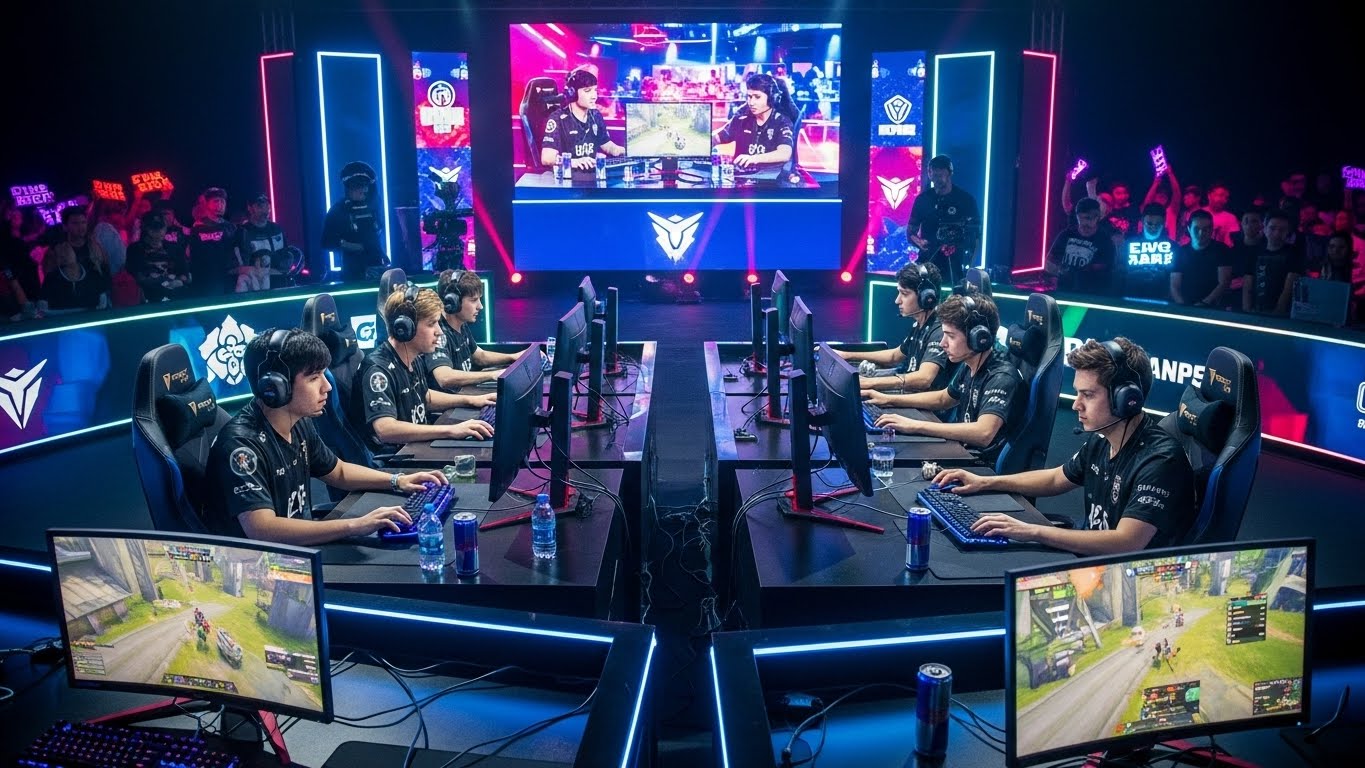
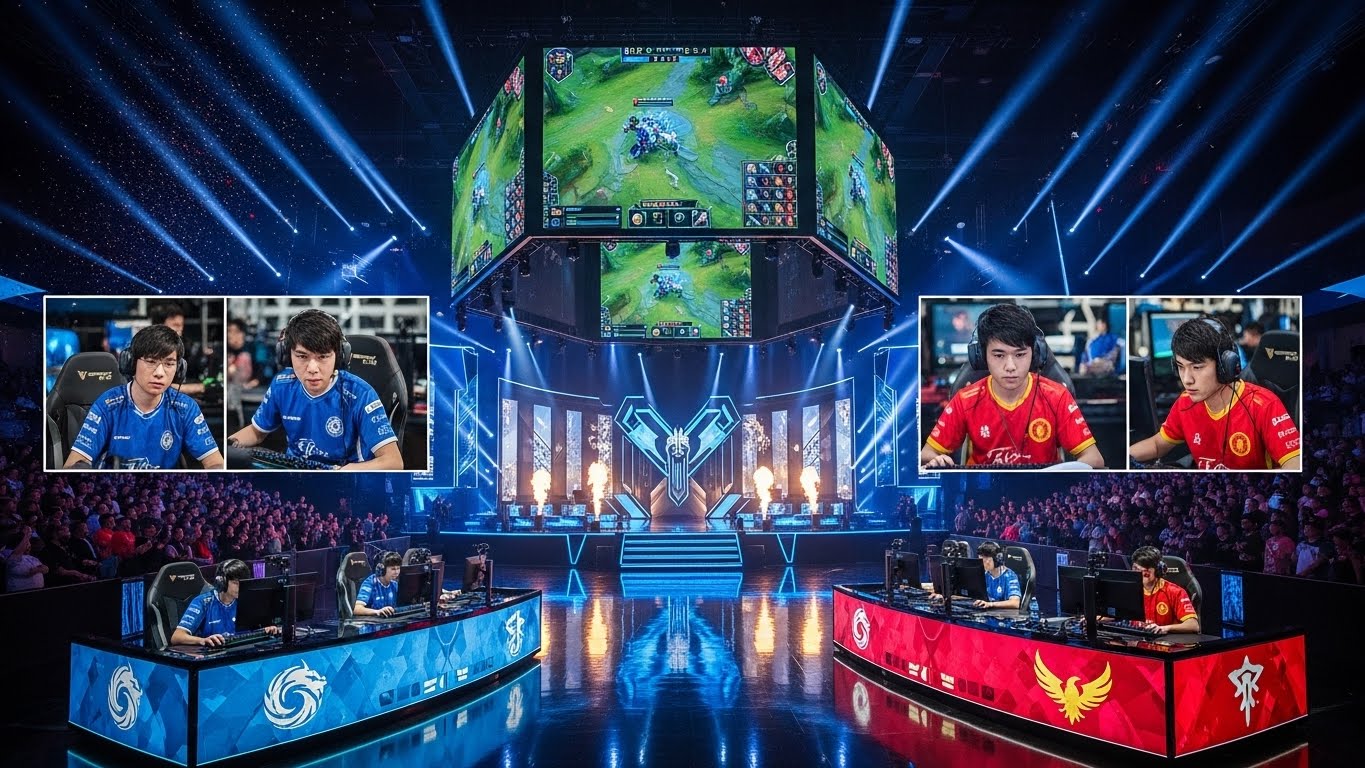
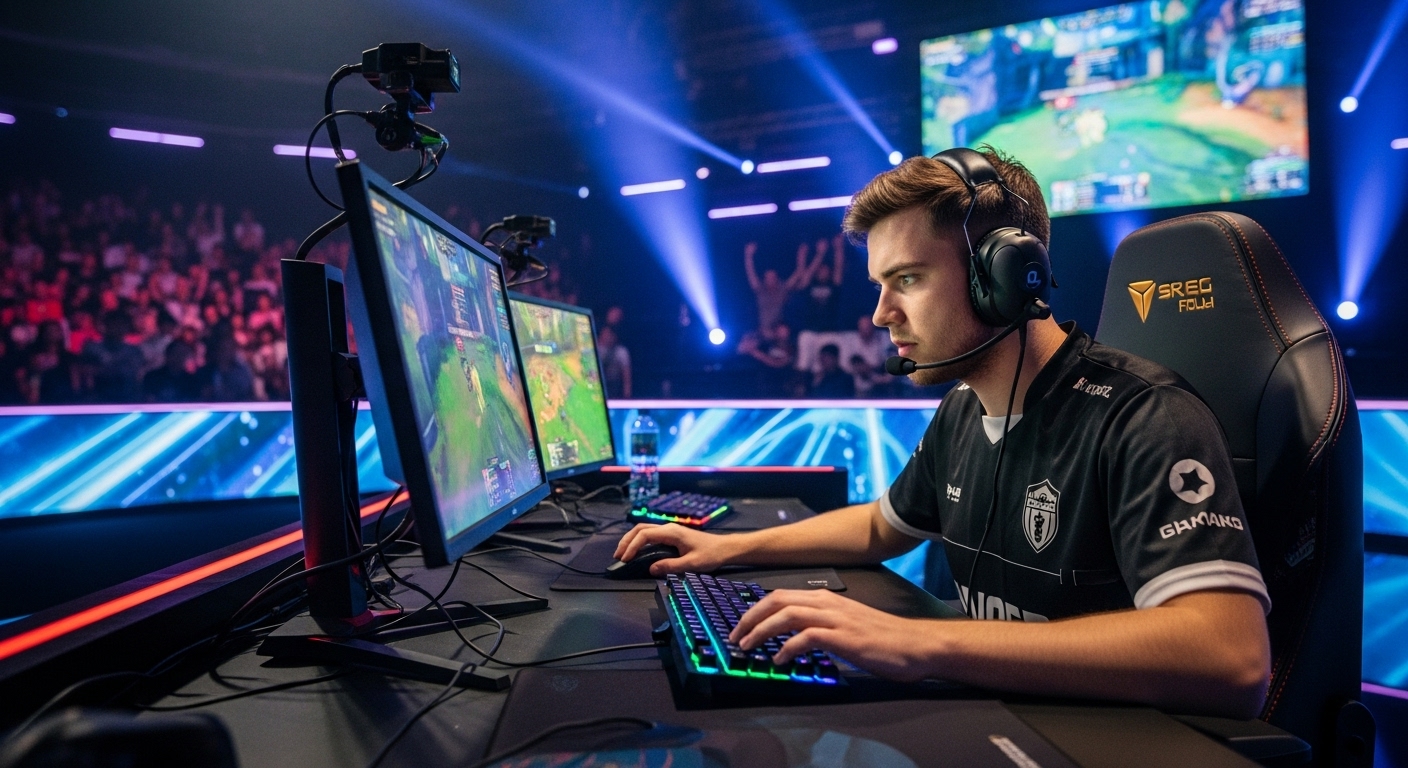
E-sports, once dismissed as entertainment, now command massive audiences and serious investment. The definition of “athlete” itself is expanding, as mental skill and reflex replace brute strength in virtual arenas. The fusion of tradition and technology may well give rise to a new global culture of play.
What will never change, however, is the emotional truth of sport. Whether physical or digital, the desire to compete, connect, and overcome remains eternal.
Conclusion: The Endless Race
In the end, sport is not merely about records or trophies. It is about the moments that make us feel alive. The young child who dreams, the veteran who refuses to quit, the fan who cries tears of pride — these are the threads that weave the fabric of sport’s timeless story.
Every whistle, every sprint, every cheer is a reminder that life itself is a kind of game — one where we keep playing, learning, and striving. The spirit of sport endures because it mirrors the best and worst of us, and in doing so, it teaches what it means to be human.
So whether you are an athlete, a coach, or simply someone who loves the sound of a crowd rising in unison, remember this: sport is not an escape from life — it is a reflection of it. And that reflection, with all its sweat, pain, and beauty, will continue to inspire generations yet to come.